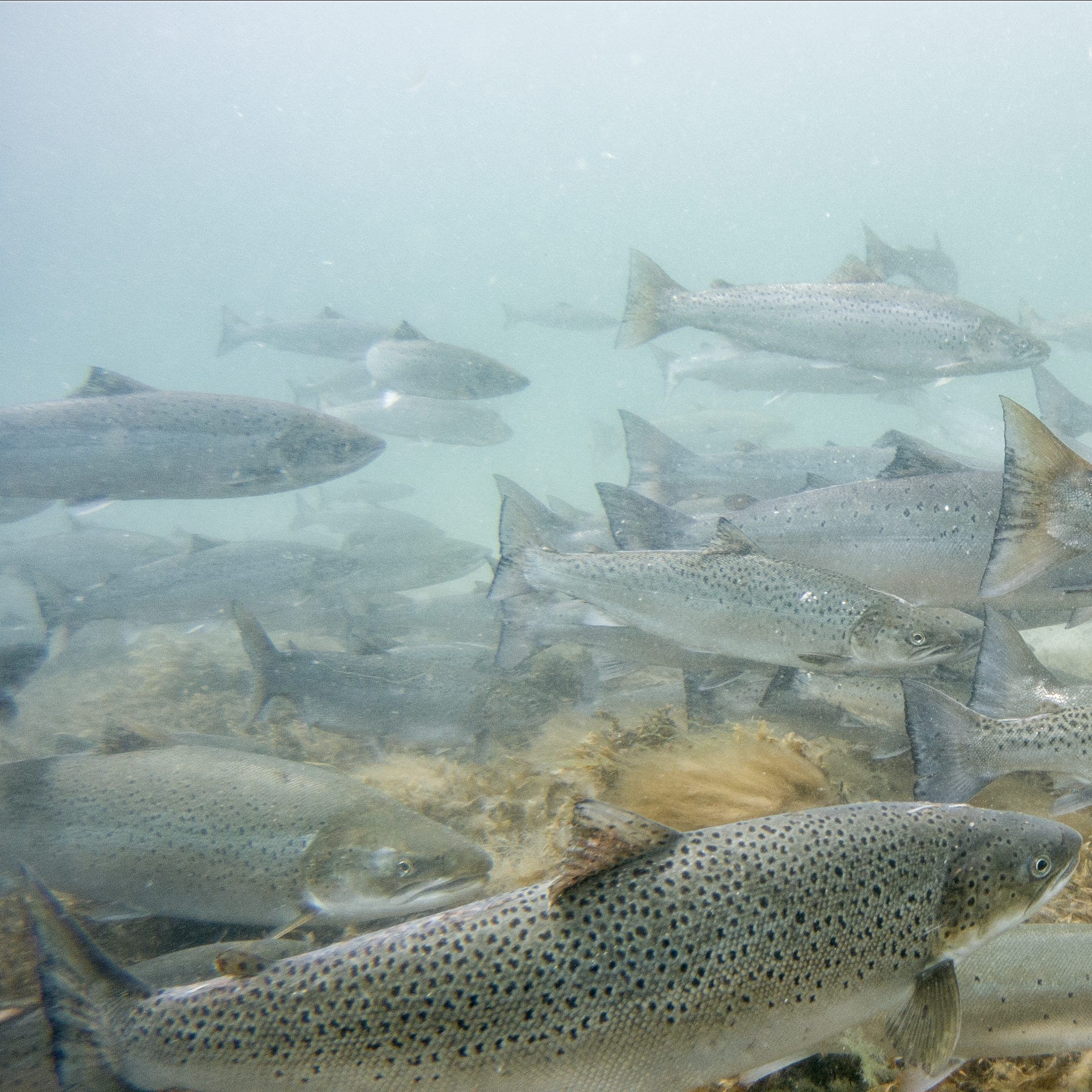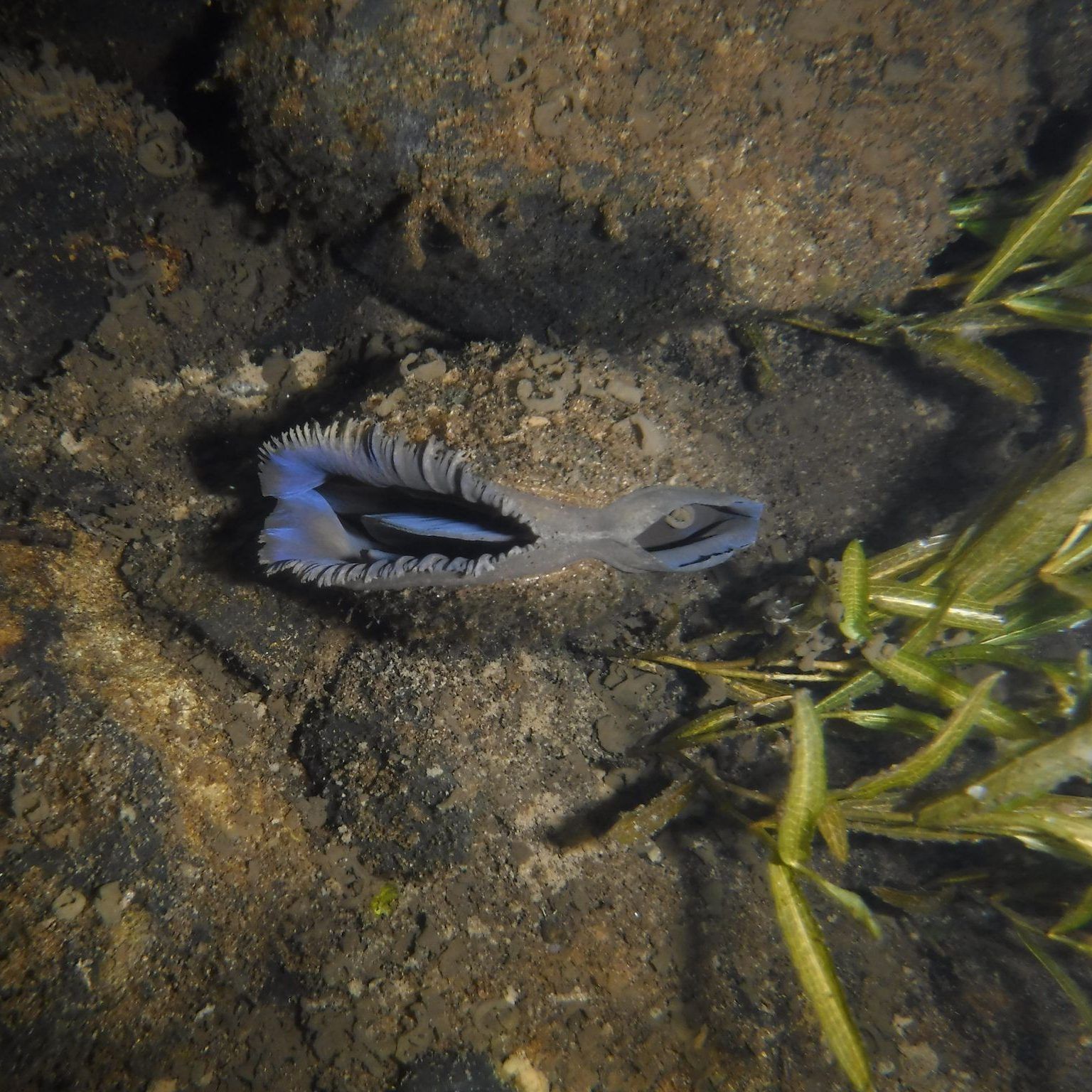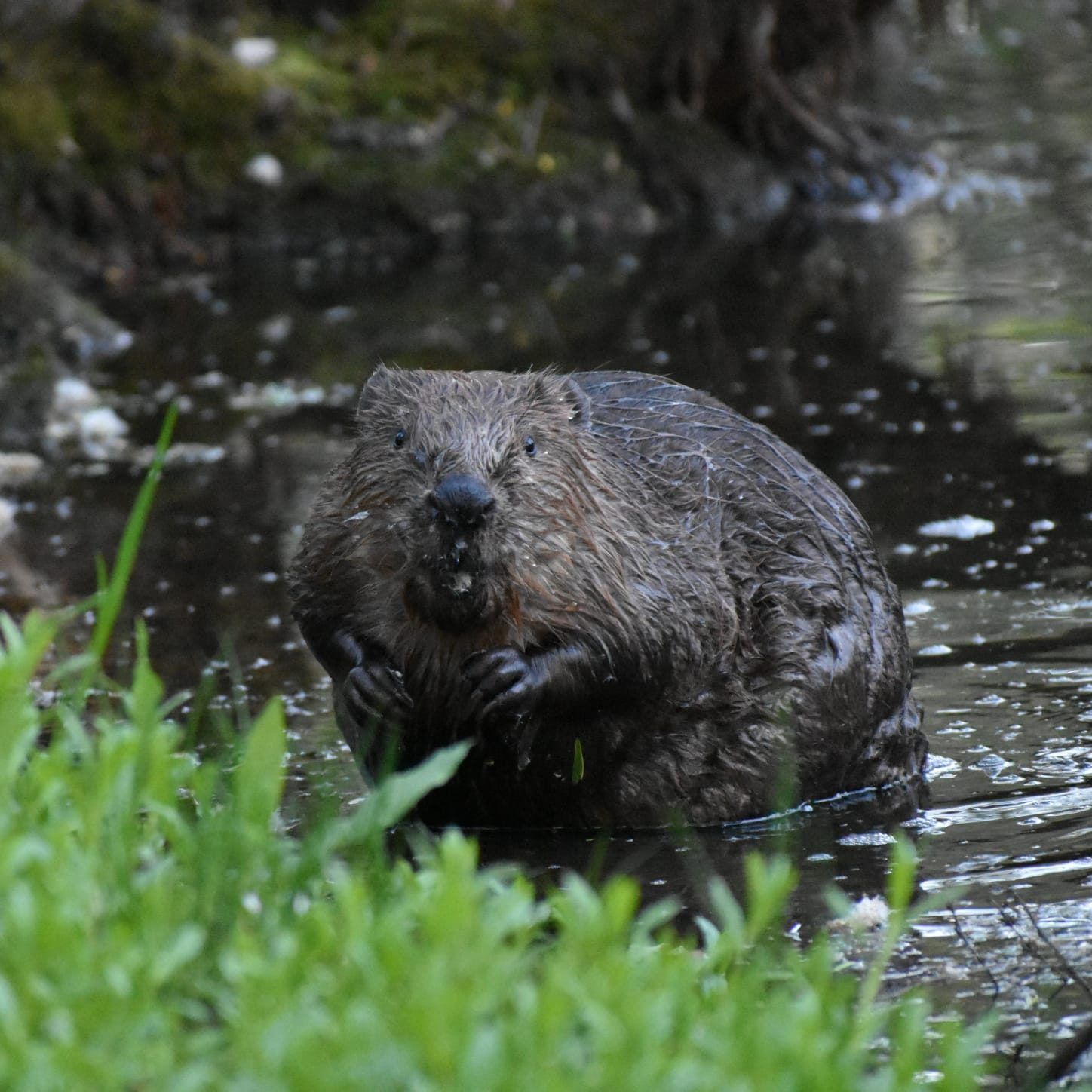

The Atlantic salmon (Salmo salar) is one of Scotland’s most iconic species, renowned for its extraordinary migration from upland rivers in Scotland to the oceans off Norway and Greenland and back again. This fish can reach lengths of up to 1.6 metres, with the heaviest Atlantic salmon ever recorded weighing in at 45 kg. The Atlantic salmon is central to Scotland’s heritage, as both a cultural symbol and a significant contributor to the rural economy through angling tourism. As a keystone species, salmon act as an early warning system for problems in the wider ecosystem and they support other species including otters and the freshwater pearl mussel.
Wild Atlantic salmon are protected nationally and internationally. They are:
- on the Scottish Biodiversity List, so of principal importance for biodiversity conservation in Scotland.
- one of the 81 Priority Marine Features in Scotland.
- listed in Annex II and V of the EU Habitats Directive, with 17 freshwater Special Areas of Conservation for Atlantic salmon in Scotland.
- included on the OSPAR list of threatened and/or declining habitats and species.
- protected from fishing on the high seas under the Convention for the Conservation of Salmon in the North Atlantic Ocean.
Despite this, the wild Atlantic salmon is now classified as endangered in Great Britain by the International Union for the Conservation of Nature. There has been a 30–50% population decline since 2006, with further declines expected. Salmon inhabit nearly 400 river systems across Scotland, but 66% of these populations are in poor conservation status.
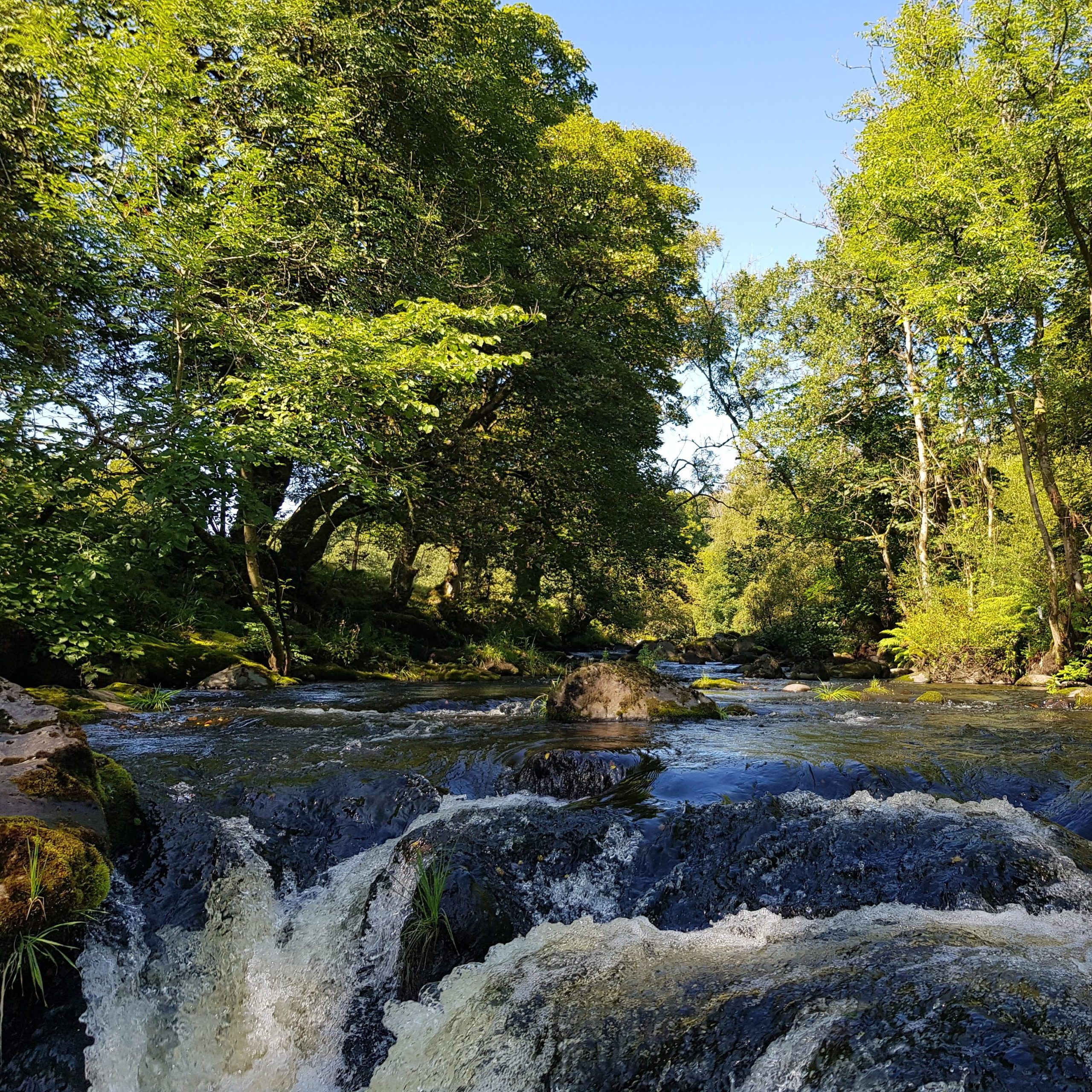
Photos: © Richard Davies / Atlantic Salmon Trust
Action Needed
Securing the future of wild Atlantic salmon requires urgent action across catchments, coastlines, and marine systems. The following actions are urgently needed if we are to safeguard this species for future generations:
- Raising awareness of the iconic yet endangered wild Atlantic salmon
- The full and timely delivery of the Scottish Wild Salmon Strategy and Implementation Plan 2023-2028.
- Progress towards Scotland’s international commitments – NASCO International goals for salmon farming:
- no increase in sea lice loads or lice-induced mortality of wild salmonids attributable to the salmon farms; and
- no escapes of farmed fish.
- Ensuring cold, clean water for salmon across all rivers through:
- Delivery of The River Basin Management Plan for Scotland 2021-2027, and the development of an ambitious RBMP for 2027 onwards.
- Action to reduce water temperature and increase ecological resilience by: supporting the nationwide ‘Riverwoods’ initiative, and the tools developed through its Digital Centre of Excellence, which facilitates land-scape scale planning and collaboration for riparian restoration projects,
- Ensuring the government grant schemes, such as the Forestry Grant Schemes and Agri-Environment Climate Schemes, are sufficiently funded and designed to enable delivery of riparian woodland creation and restoration projects at pace and scale,
- Reducing grazing pressure from deer and sheep,
- Measures to increase buffer strips,
- A well-managed network of Marine Protected Areas.
It’s not too late to restore wild Atlantic salmon and the environment they depend on. Bold and urgent action is needed now.
Threats
Atlantic salmon face escalating and cumulative pressures across freshwater, coastal, and marine environments. Key threats are identified in the Scottish Wild Salmon Strategy.
- In freshwater, threats include habitat loss such as lack of riparian vegetation, barriers to migration on rivers such as dams and weirs, predation by birds and seals, and declining water quality.
- In coastal areas, lice and escapes from salmon farming, and marine development such as dredging and maintenance of harbours have a negative impact on wild Atlantic salmon.
- During the marine phase of a salmon’s lifecycle, growth and survival may be affected by predators, food availability and bycatch from fisheries.
Climate change amplifies all these pressures, driving rising sea and river temperatures, altering river flow patterns, and shifting prey availability at sea.
MSP Nature Champion

Ariane Burgess
Member for: Highlands and Islands
Region: Highlands and Islands
Party: Scottish Green Party