
The Common Frog is one of the UK’s most familiar amphibians and is widespread throughout England, Wales and Scotland. Adults typically measure 6–9cm in length, though larger individuals can occur. They vary in colour from olive green and brown to grey or yellow, usually with dark blotches and a distinctive dark patch behind the eye. Their smooth, moist skin and long, powerful hind legs make them well adapted for jumping and swimming.
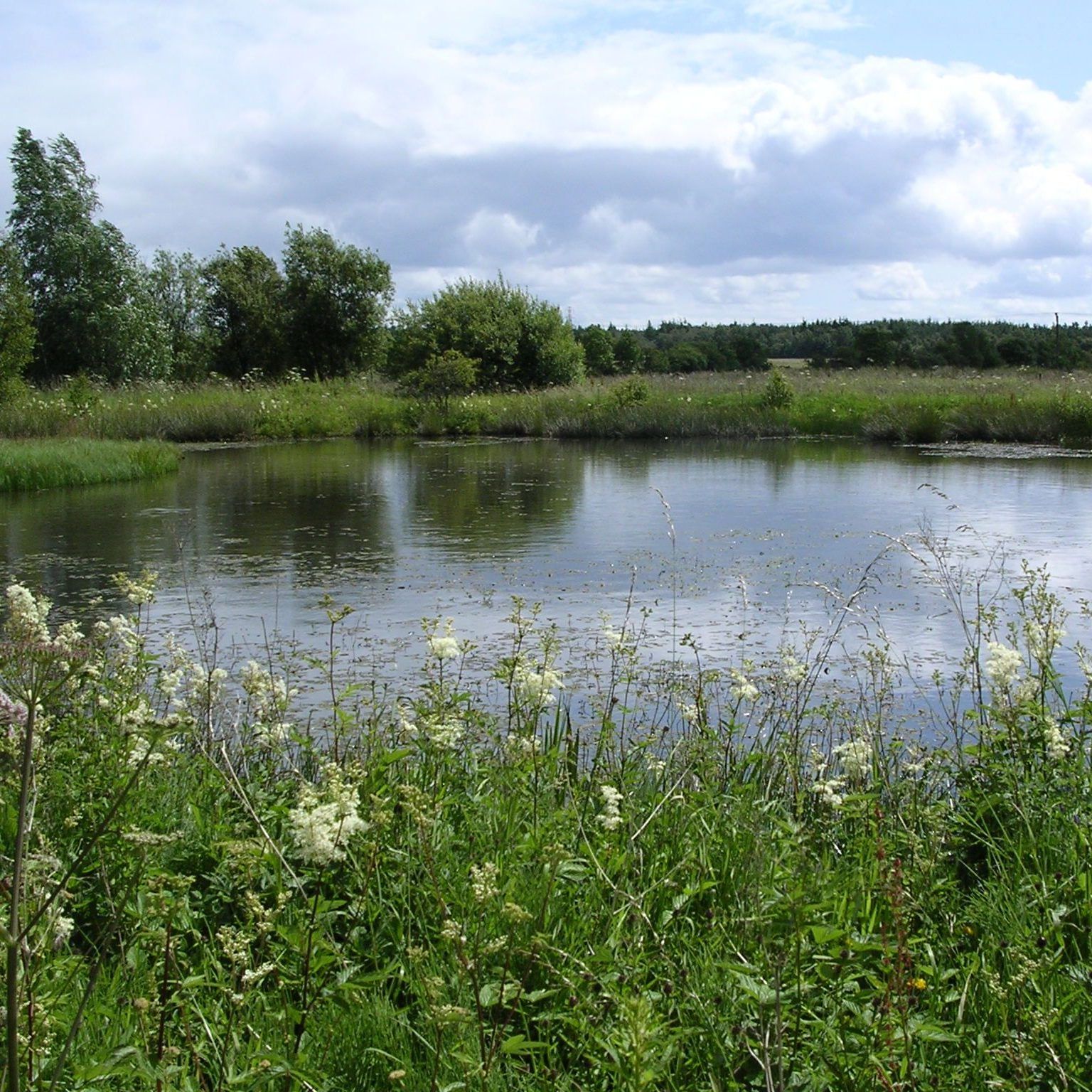
Common Frogs breed early in the year, often from late winter to early spring, depending on weather conditions. They return to ponds, garden pools, ditches and slow-moving water to spawn, laying clumps of frogspawn containing hundreds of eggs. Tadpoles develop in water before metamorphosing into froglets in early summer.
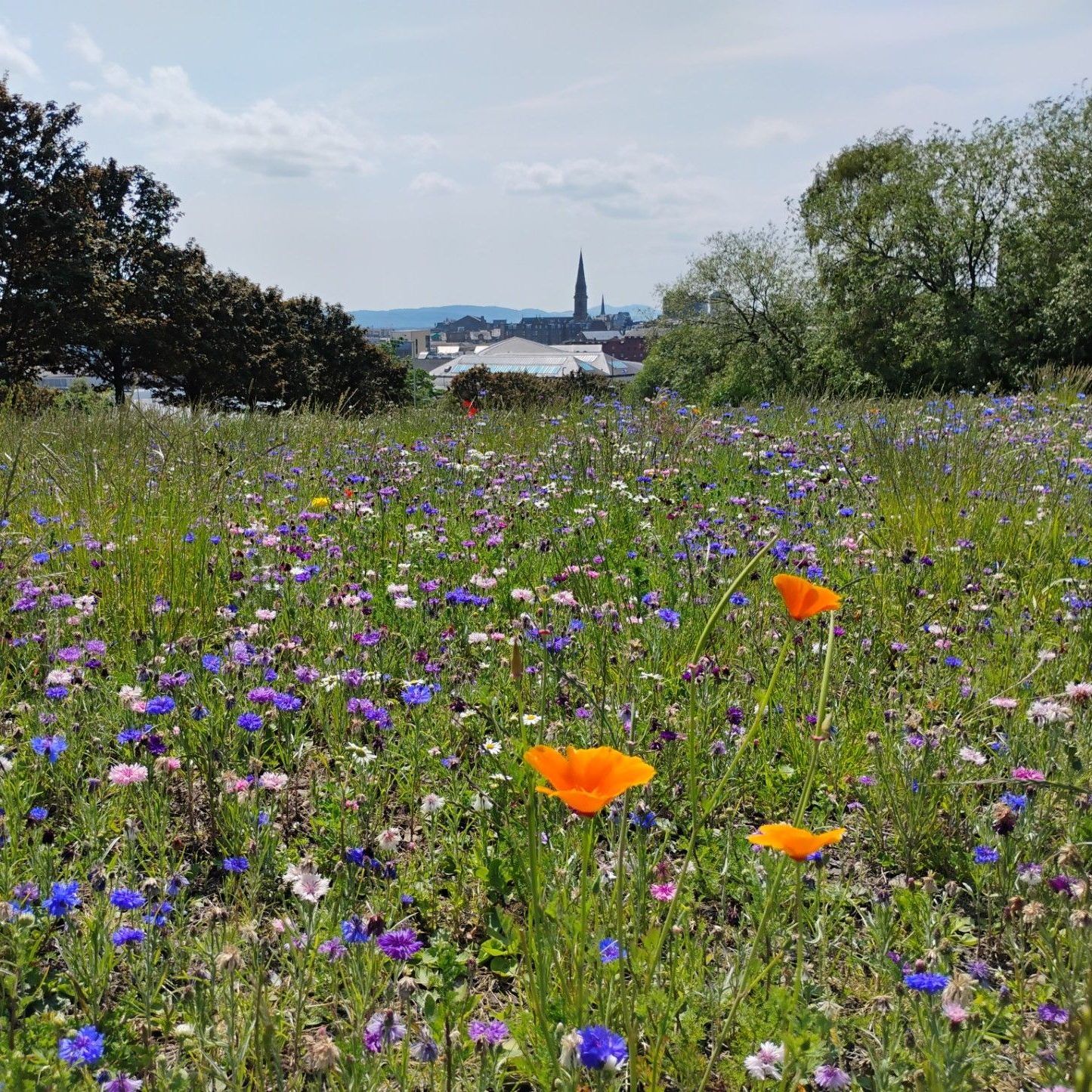
For the rest of the year, Common Frogs live in damp terrestrial habitats such as gardens, hedgerows, woodland edges, grassland and compost heaps, feeding on insects, worms and slugs. They are an important part of the food web and are often the amphibian species most people encounter, particularly in urban areas. While still common, local declines have been recorded in parts of the UK.
Action Needed
- Create and maintain fish-free ponds in gardens, schools and community spaces.
- Protect and enhance surrounding terrestrial habitats such as rough grassland, hedgerows and log piles.
- Encourage wildlife-friendly gardening and reduce pesticide use.
- Support disease monitoring and citizen science programmes.
- Promote landscape connectivity to allow safe movement between habitats.
Threats
- Loss of ponds and damp terrestrial habitats due to development and agricultural intensification threatens populations.
- Pollution and the introduction of fish to breeding ponds reduce spawning success.
- Road mortality during seasonal movements can be significant.
- Disease, including Ranavirus, has also caused local population declines.
- Climate change, particularly drought, can lead to ponds drying and breeding failure.
MSP Nature Champion