

Machair is a fragile coastal habitat system, unique to the north and west of Scotland and Ireland. In Scotland, it is found on the Atlantic coast of the mainland and on the islands of the Inner and Outer Hebrides, Orkney and Shetland. Machair is the product of a centuries-old interaction between sea, weather and land. Low-lying coastland with shell-based sands, strong winds, rainfall and salt spray combine with traditional, low-intensity agricultural practices to form this unique species-rich habitat, abundant in wildflowers and wildlife.
Species-rich grasslands are key to the machair system, packed with flowers like red clover, kidney vetch, bird’s foot trefoil and thyme. There are rare gems like the Hebridean spotted-orchid, Irish lady’s-tresses orchid and the Scottish primrose, but most of the flower species are not unique to the habitat. Instead, it is the sheer abundance and diversity of species that make it so special, and which combine for a truly spectacular floral display in summer.
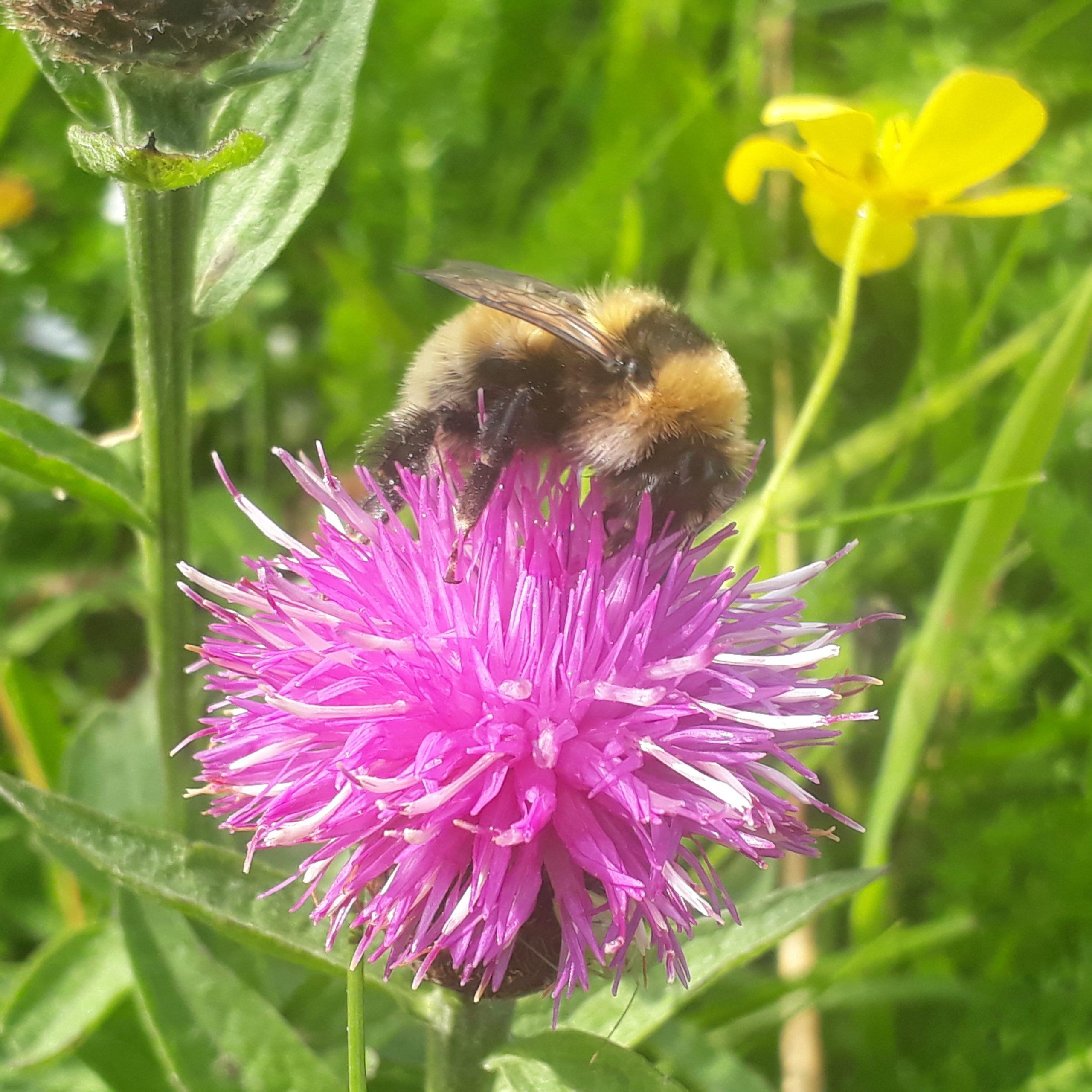
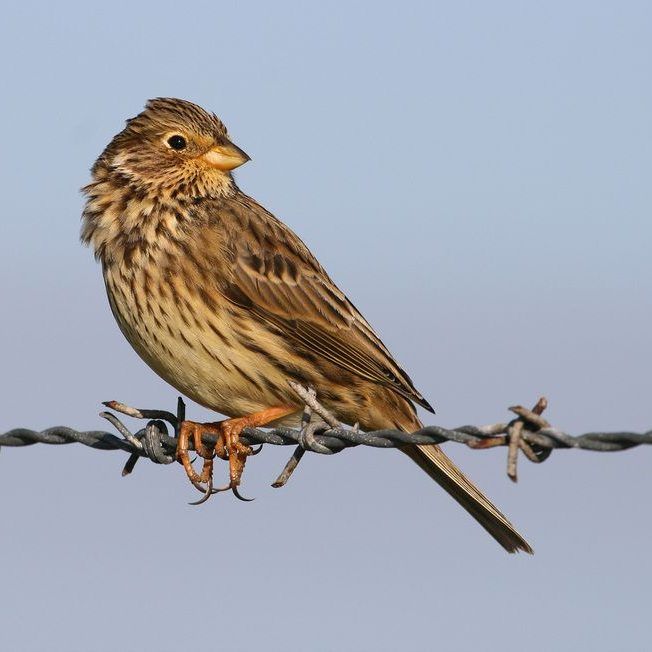
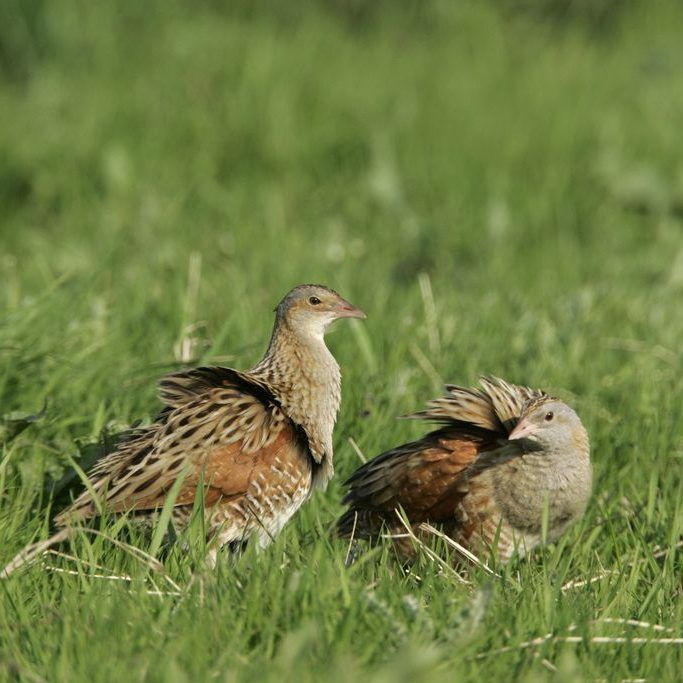
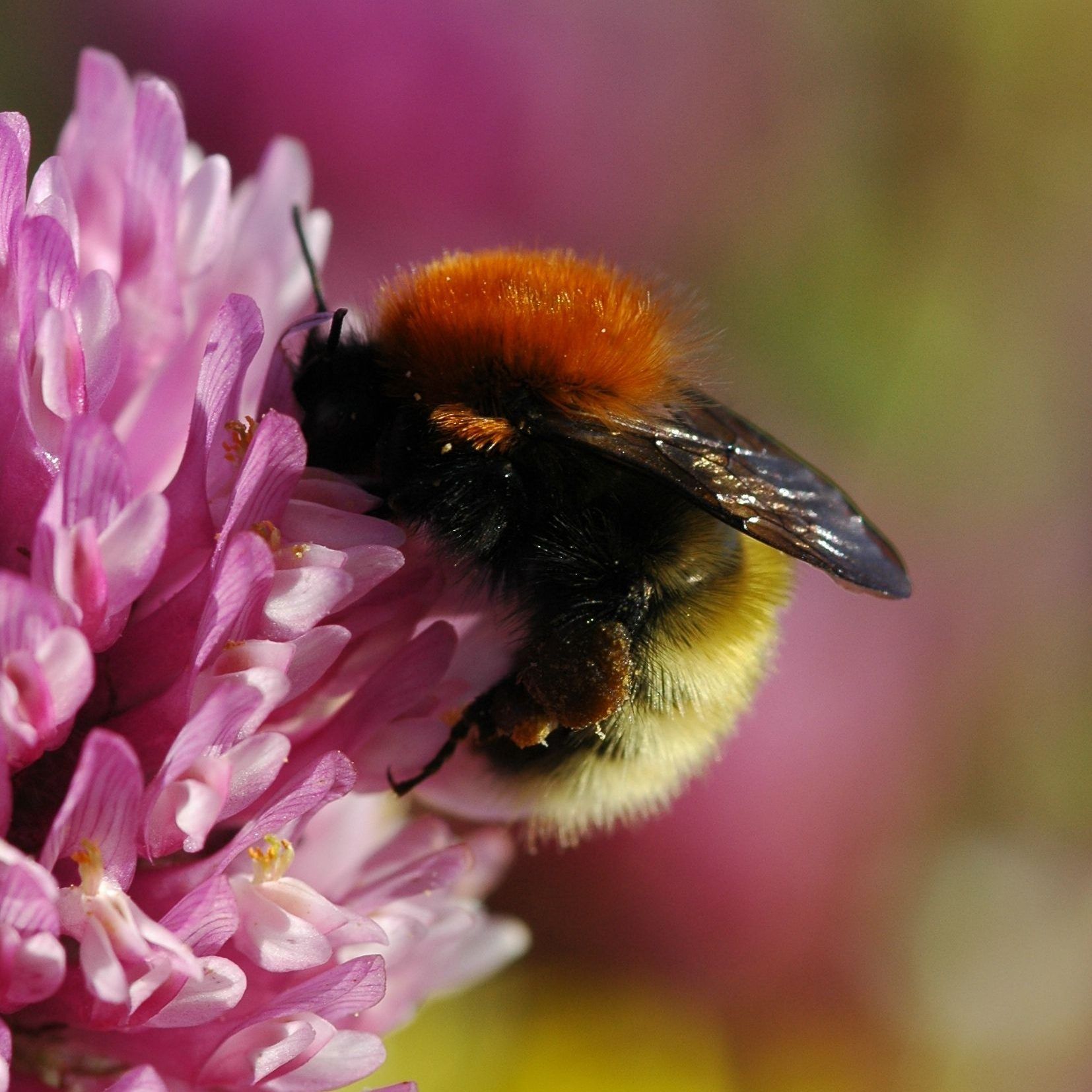
Machair hosts some of our rarest bee species, like the Great yellow bumblebee, Moss carder bumblebee and the Northern Colletes mining bee. It is a particularly crucial habitat for the Great Yellow bumblebee, which in the UK is only found in the far north of mainland Scotland, Orkney and some of the Hebridean islands. The rich variety of invertebrates attracts many bird species, including the corn bunting, corncrake and breeding waders like lapwing, redshank, snipe and oystercatchers. Machair is identified on the Scottish biodiversity list as important to furthering the conservation of biodiversity.
Photos: © Bumblebee Conservation Trust
Action Needed
- Raise awareness of the importance of this habitat.
- Advocate for greater financial support for low intensity, regenerative crofting practices, which are nature-positive and help to tackle climate change.
- Advocate for reform of the current model of agricultural support, which disadvantages crofters and small-scale farmers, so that public spending on agriculture supports the economic viability of traditional practices of nature-friendly farming and crofting on small units.
- Support continued multi-year funding to manage greylag geese numbers across machair habitats and measures to address damage from other sources.
- Promote action to tackle climate change and raise awareness of the potential of machair and other species-rich grassland as nature-based solutions to climate change.
Threats
- Insufficient economic support for traditional crofting, leading to a reduction in traditional grazing and crofting practices and to the abandonment of small-scale crofting.
- As a low-lying coastal habitat with delicately balanced oceanic climatic conditions, machair is one of our habitats most threatened by climate change. Increased storm frequency, intensity and rising sea levels increases erosion. Damage to offshore kelp beds reduces protection from storms.
- Grazing by increasing numbers of greylag geese; over- and under-grazing by livestock; erosion caused by rabbits; and damage from vehicles and trampling by humans.
MSP Nature Champion

Donald MacKinnon
Member for: Na h-Eileanan an Iar
Region: Highlands and Islands
Party: Scottish Labour