
The Round-leaved Sundew is a small reddish plant made up of a cluster of yellow-green circular leaves shaped like a tennis racket. Each leaf is covered in short red hairs which has a small droplet on the end that resembles dew to attract its nutrient source: insects. Each droplet is sticky, allowing the Sundew to trap the insect for digestion.
In the summertime, small white or pink flowers appear at the top of the hairless stem.
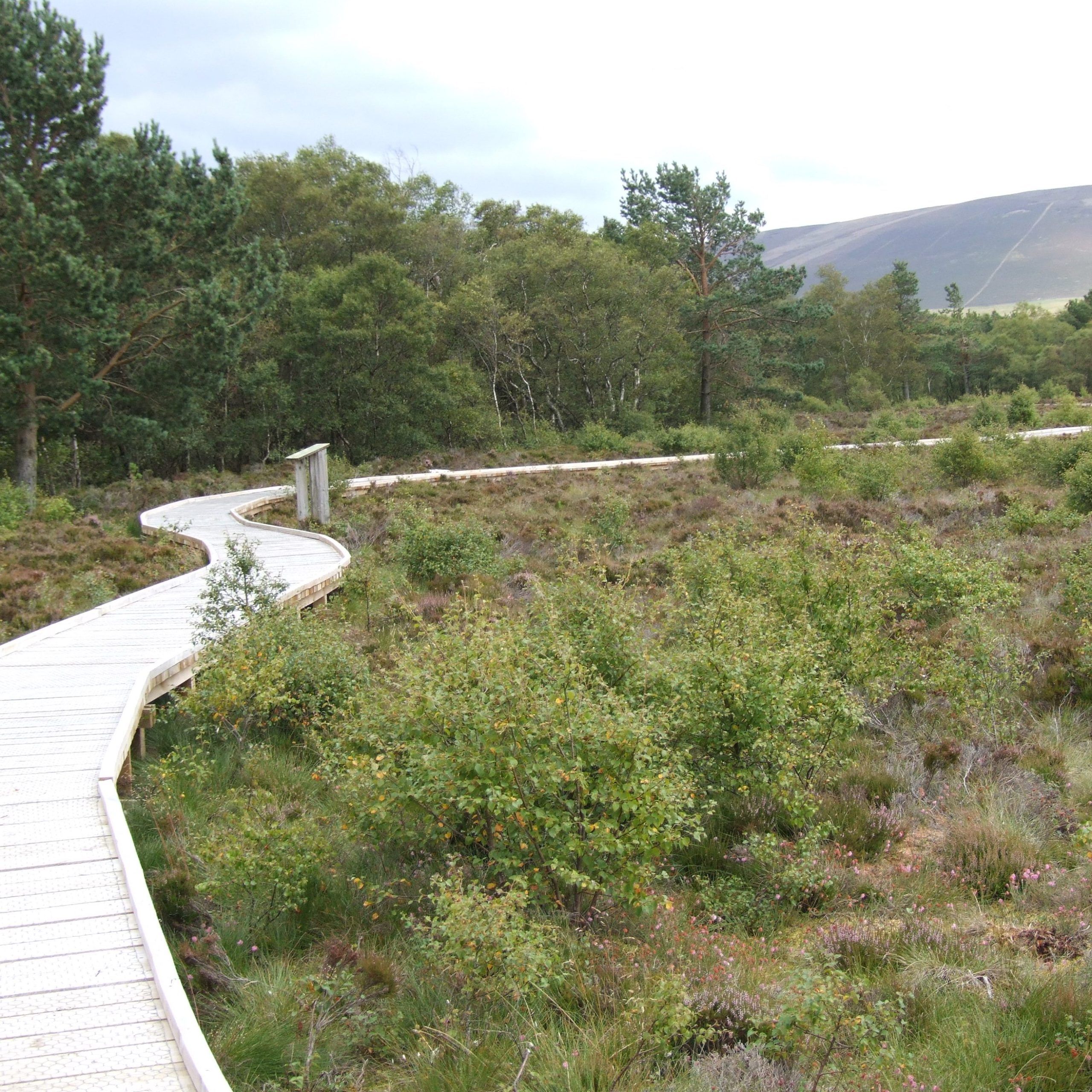
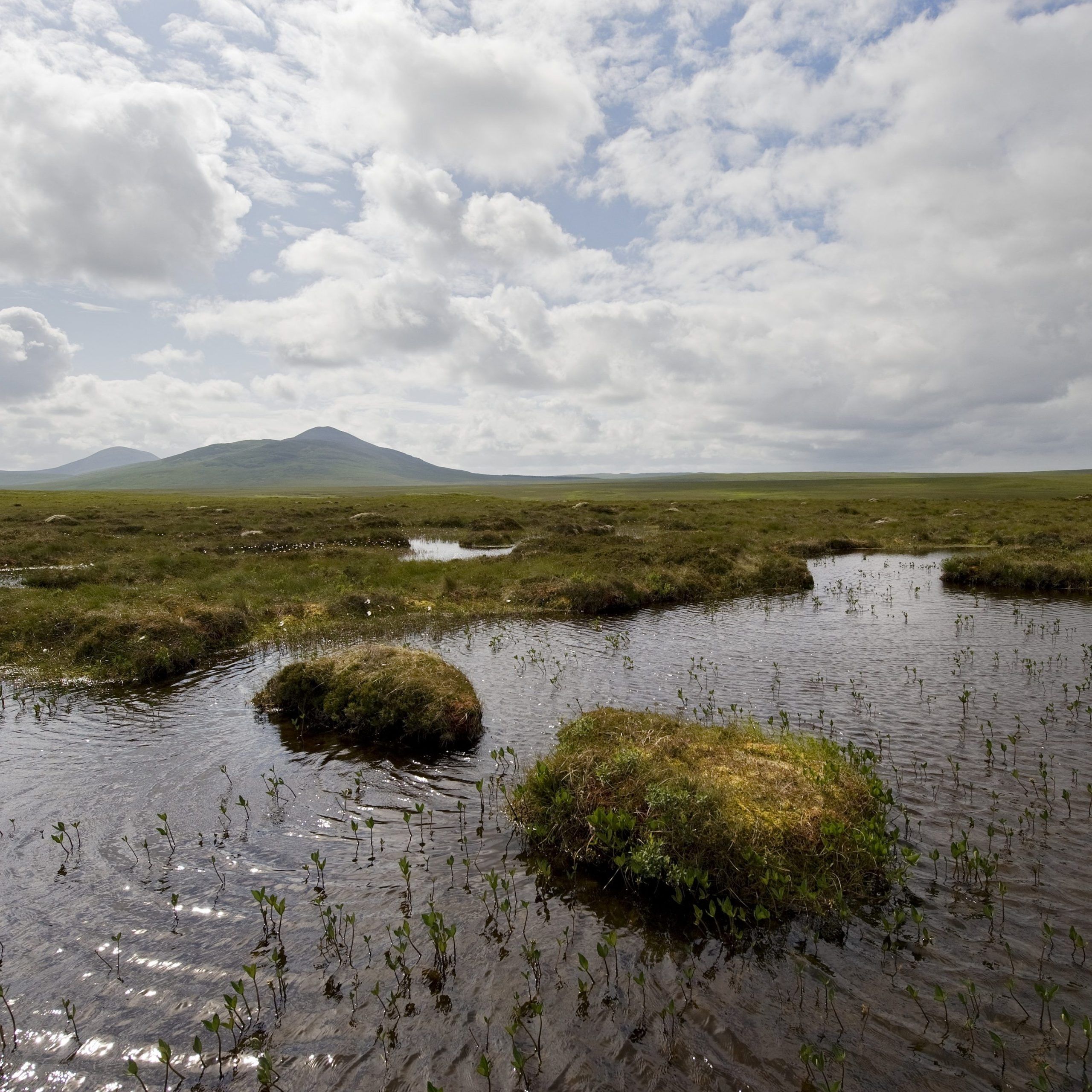
This carnivorous plant is found in wet habitats such as bogs, marshes and fens that are relatively open and acidic, such as wet peatland. It prefers full sun habitat but can tolerate a degree of shade. Due to its shallow roots, dry periods must only by for a short period of time if the Round-leaved Sundew is going to survive.
The Round-leaved sundew appears in various folk history. For example, it has previously been used as a love-charm due to its power of luring and trapping helpless insects.
It is common across Scotland and classified as ‘Least Concern’ on the GB Red List.
Photo: © Beth Newman / Plantlife
Action Needed
Support the ban on the sale of peat and call of the government to stop the destruction of peatlands. Peatlands are a crucial habitat for the Round-leaved Sundew, their destruction exacerbates the loss of plants that relies on them and releases carbon into the atmosphere.
Threats
Although common, the Round-leaved Sundew has a specific environment that it needs to survive: nutrient poor soil that is usually flooded.
As these wet and boggy habitats become fewer, so does the plant. Habitat loss from peat-cutting and drainage of these wet and boggy habitats is the most significant threat.
It is generally known to be tolerant to other forms of disturbances but at higher altitudes, losses are likely to result from forestry plantation, peat burning and consequent bog surface erosion.
MSP Nature Champion

Pauline Stafford
Member for: Bathgate
Region: Central Scotland and Lothians West
Party: Scottish National Party