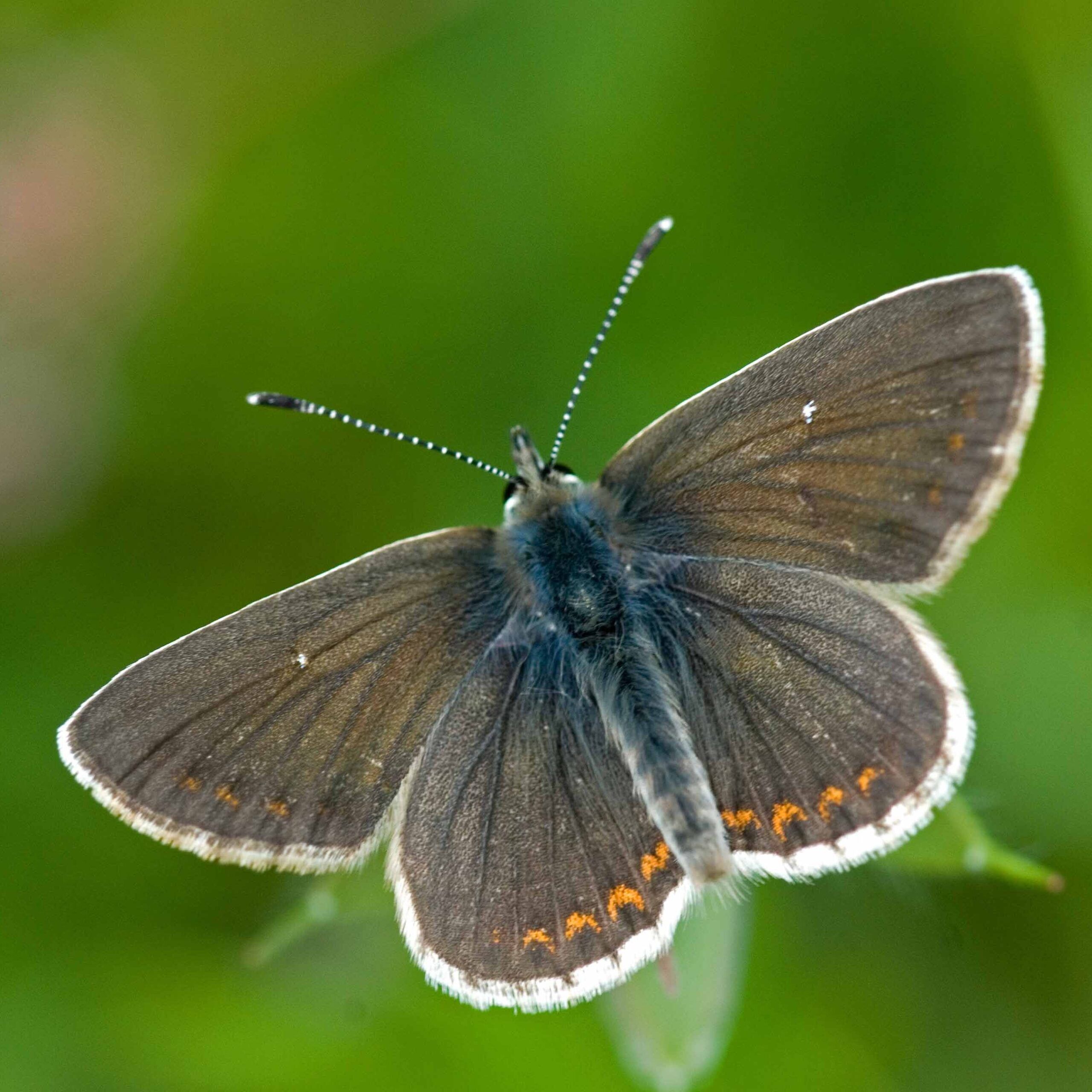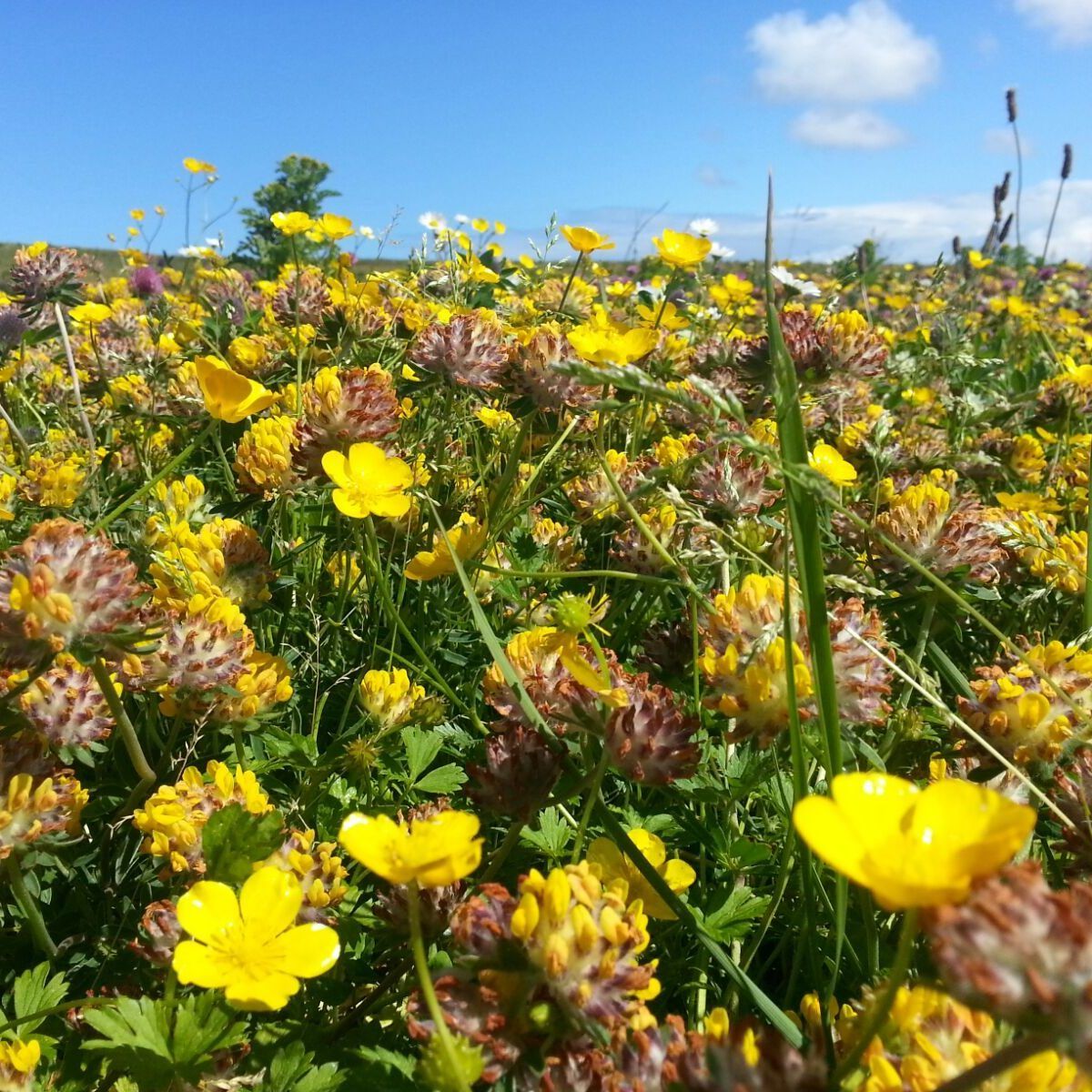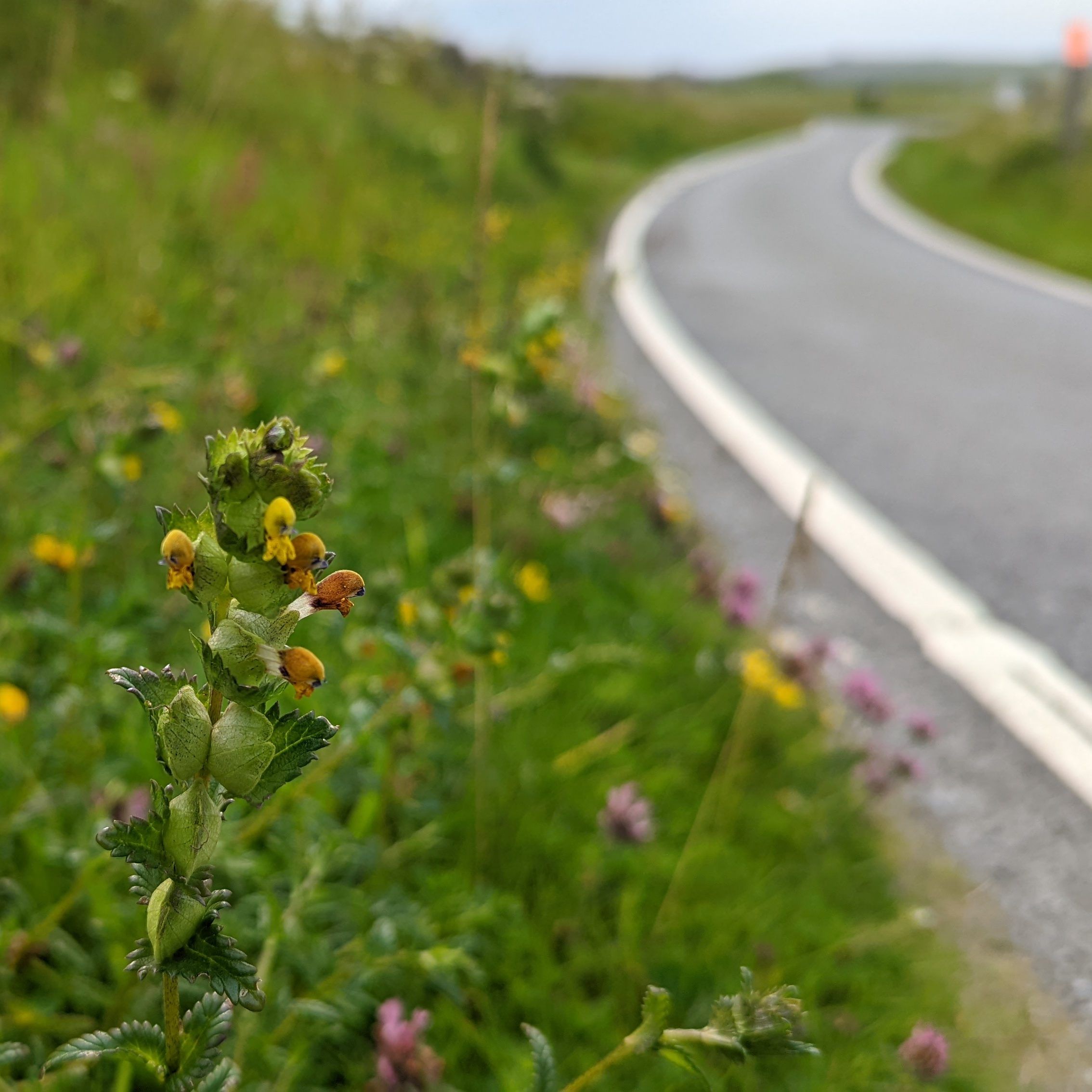

Species-rich grasslands have a high diversity of native wildflowers and grasses, and they support important collections of butterflies, moths and bees. They are habitats that have co-evolved with traditional farming methods over the last 6,000 years. They support lots of wildlife and provide a wealth of ecosystem services, such as carbon storage and flooding mitigation. They are often managed with livestock grazing and/or cutting. Specific types of species-rich grassland include lowland meadows and coastal machair.
Photo: © Alistair Whyte
Action Needed
- The design of the agri-environment scheme being developed must provide targeted incentives and advisory support for more farmers and crofters to continue or adapt their management practices to support Scottish primrose.
- Access to private markets to fund habitat management and restoration.
- Protections from inappropriate development and land use change, such as afforestation.
- Better monitoring and data collection, including monitoring of Protected Sites.
Threats
The majority of species rich grasslands has been destroyed since the Second World War. Current threats include:
- Intensive farming practices, resulting in permanent species-rich grassland being ploughed up, fertilised, and re-seeded, or overgrazed by livestock
- Inappropriate development and afforestation
- Land abandonment and under-grazing
- Nitrogen deposition
- Climate change
MSP Nature Champion