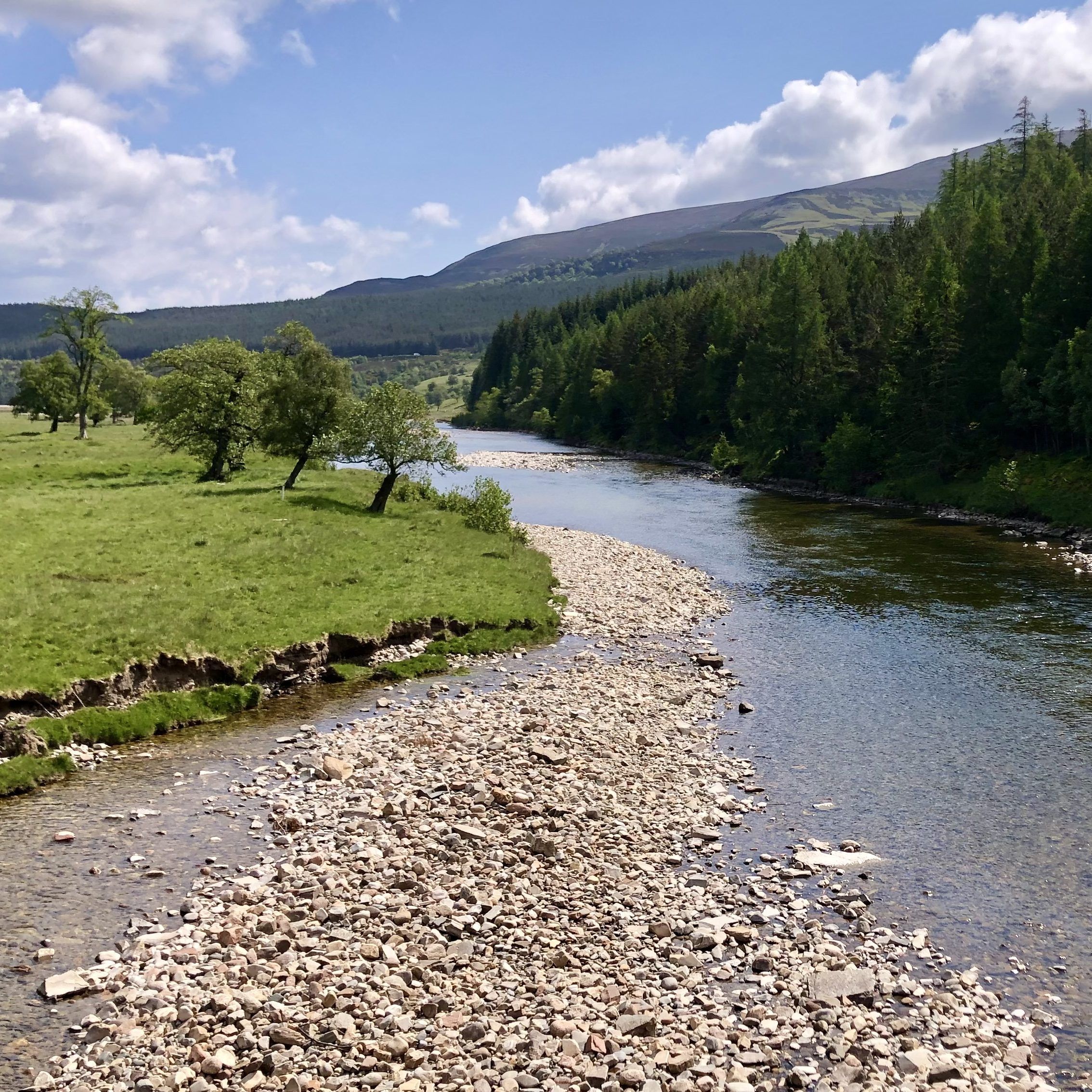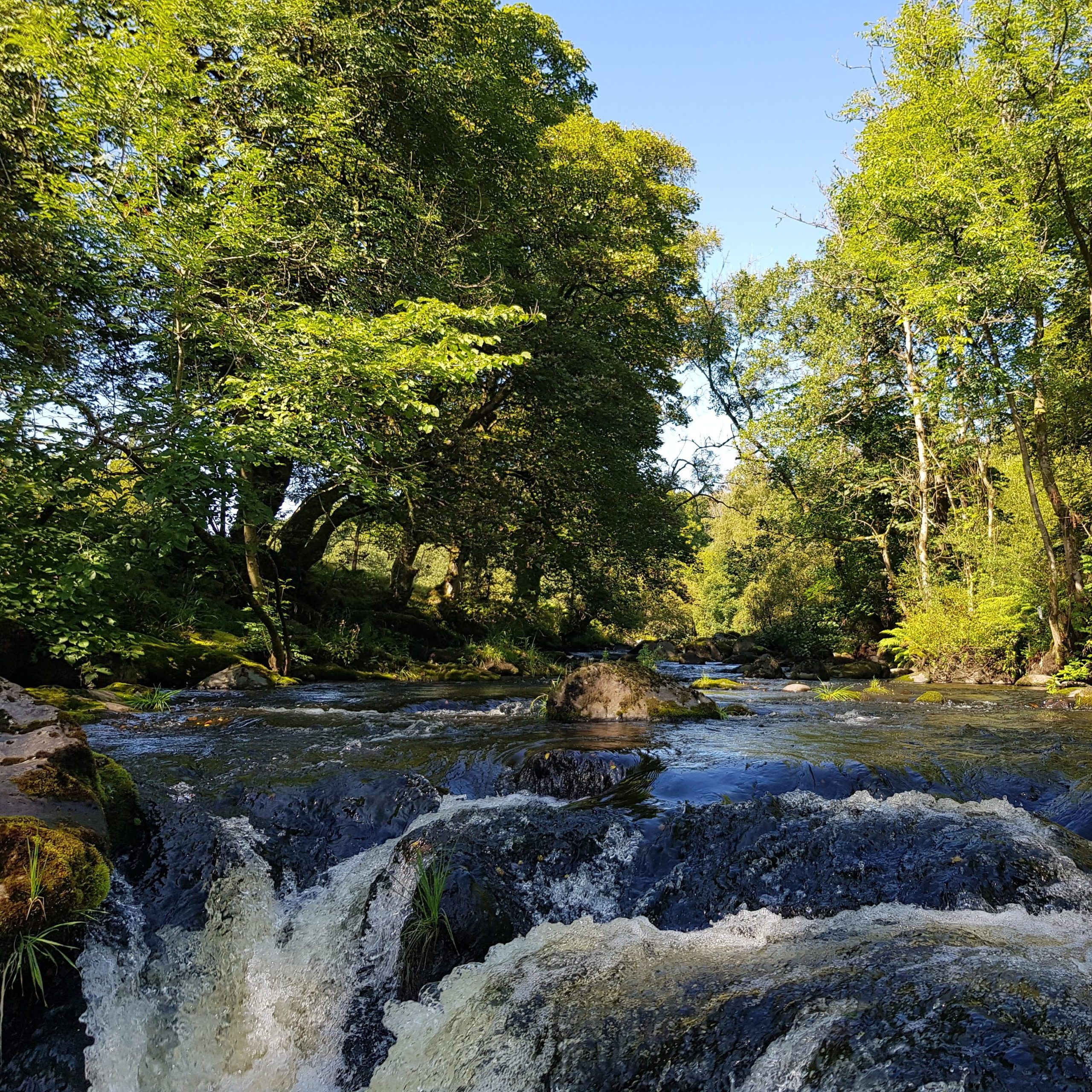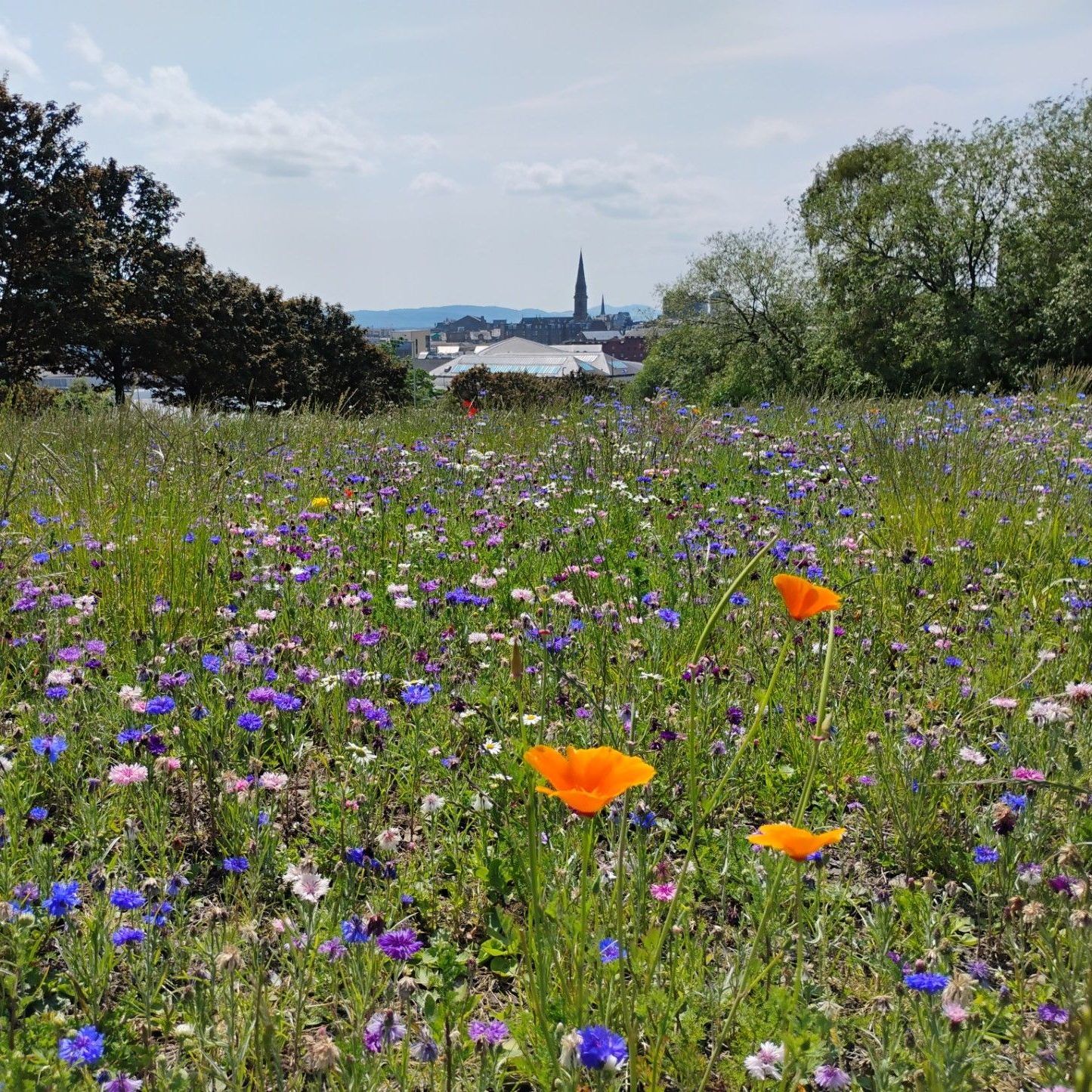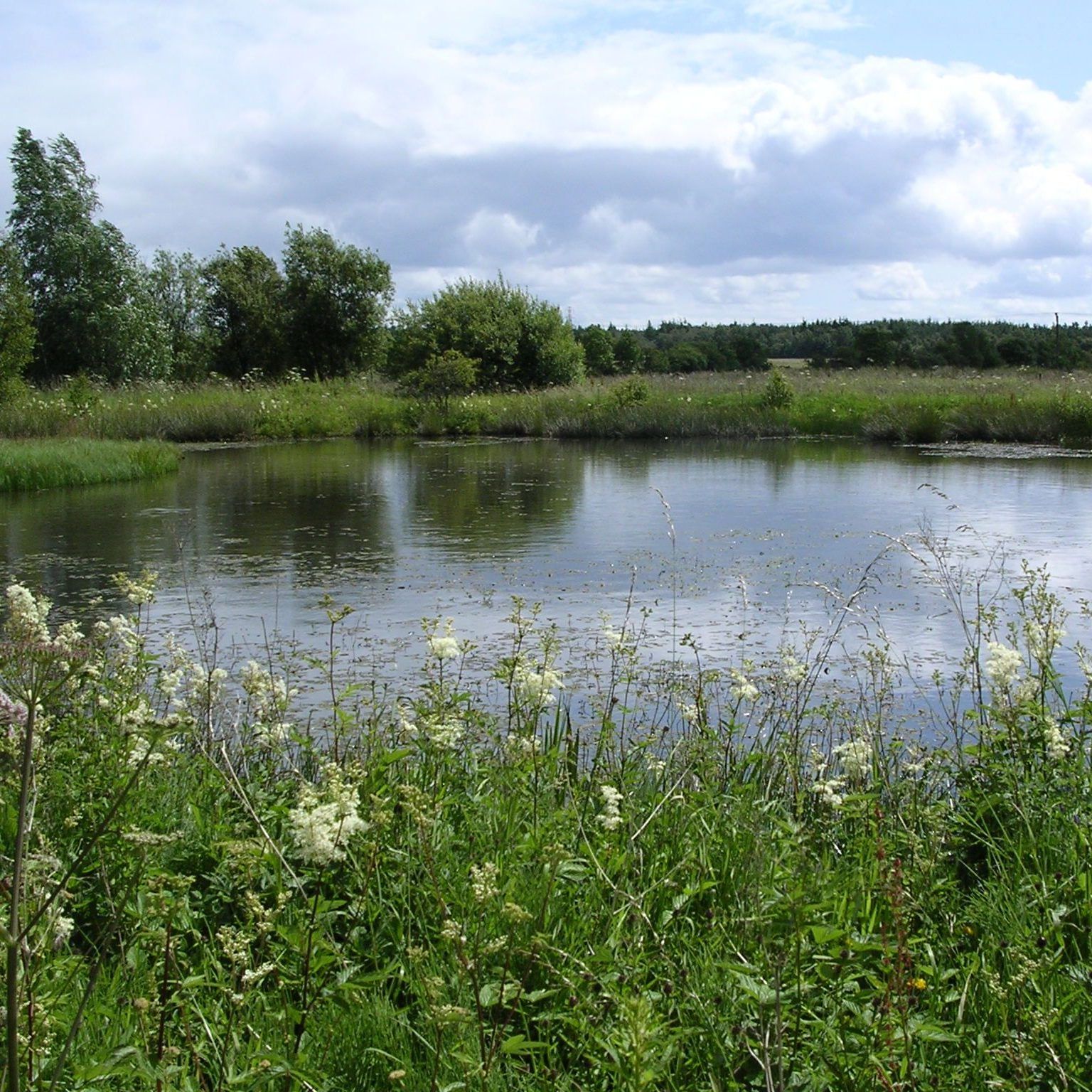

Known as the ‘water bat’, Daubenton’s bats fish insects from the water’s surface with their large feet or tail. Daubenton’s bat is a medium-sized species. It has a steady flight, often within a few centimetres of the water surface and is reminiscent of a small hovercraft.
The scientific name of the Daubenton’s bat is Myotis daubentonii.
They have shiny, red-brown fur with a pale underside and a round face. The main diet consists of small flies (especially chironomid midges), caddisflies and mayflies. In summer they roost in buildings, tunnels, under bridges and trees. In winter, they hibernate in caves, mines and other underground sites.
Daubenton’s bat is fairly widespread up to northern Scotland.
All bat species found in Scotland are classed as European protected species. They receive full protection under the Conservation (Natural Habitats, &c.) Regulations 1994 (as amended).
Photo: © Daniel Hargreaves
Action Needed
- Raise awareness of the need for bat surveys to be undertaken before the renovation of bridges and viaducts, particularly structures and buildings within close proximity of waterbodies and rivers.
- Promote the protection and creation of well-connected habitat which is rich in insect life.
- Raise awareness of the need for bat surveys to be undertaken before development proposals are accepted and encourage measures which retain, create and enhance bat roosts during conversions, renovations and new builds.
- Encourage planners and developers to follow the Bat Conservation Trust good practice guidelines for bat surveys.
- Increase public awareness of the value of bats.
- Ensure the Scottish Biodiversity Strategy is fully implemented.
- Avoid introducing artificial lighting in areas known to be or potentially used by brown long-eared bats for roosting, foraging and commuting. Look for opportunities to reduce existing artificial lighting in such areas.
- Promote the monitoring of bats so we can have a better knowledge and understand of their distribution, as well as their roosting and foraging habits in Scotland.
- Pollution controls to protect water quality.
Threats
- Vulnerability to poor water quality due to feeding habits.
- Decline in insect diversity and aquatic insects.
- Negative perceptions.
- Vulnerable to artificial lighting.
- Fragmentation and loss of habitat including tree roosts.
- Loss of roosts due to renovation of properties and other man-made structures without retaining access for bats.
MSP Nature Champion