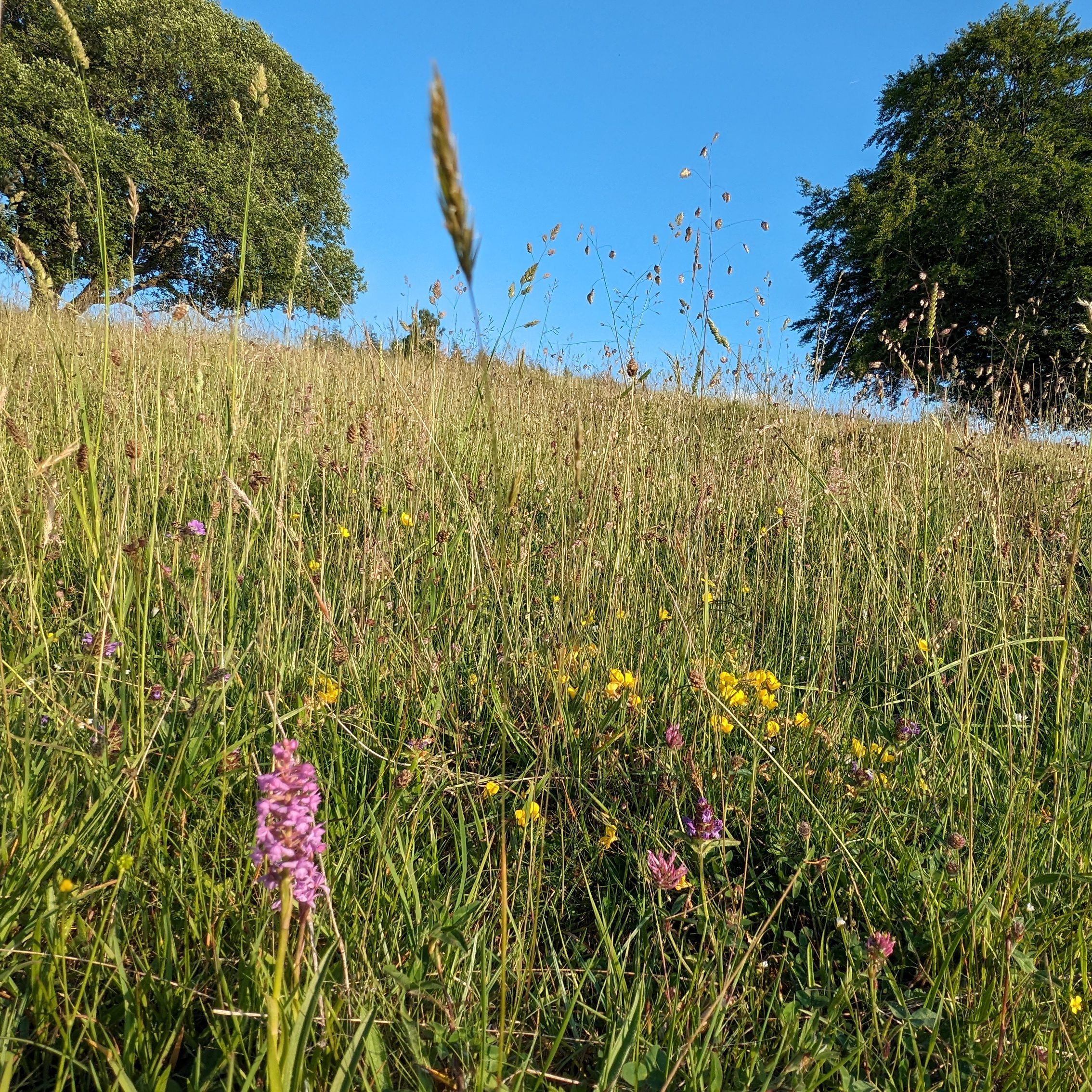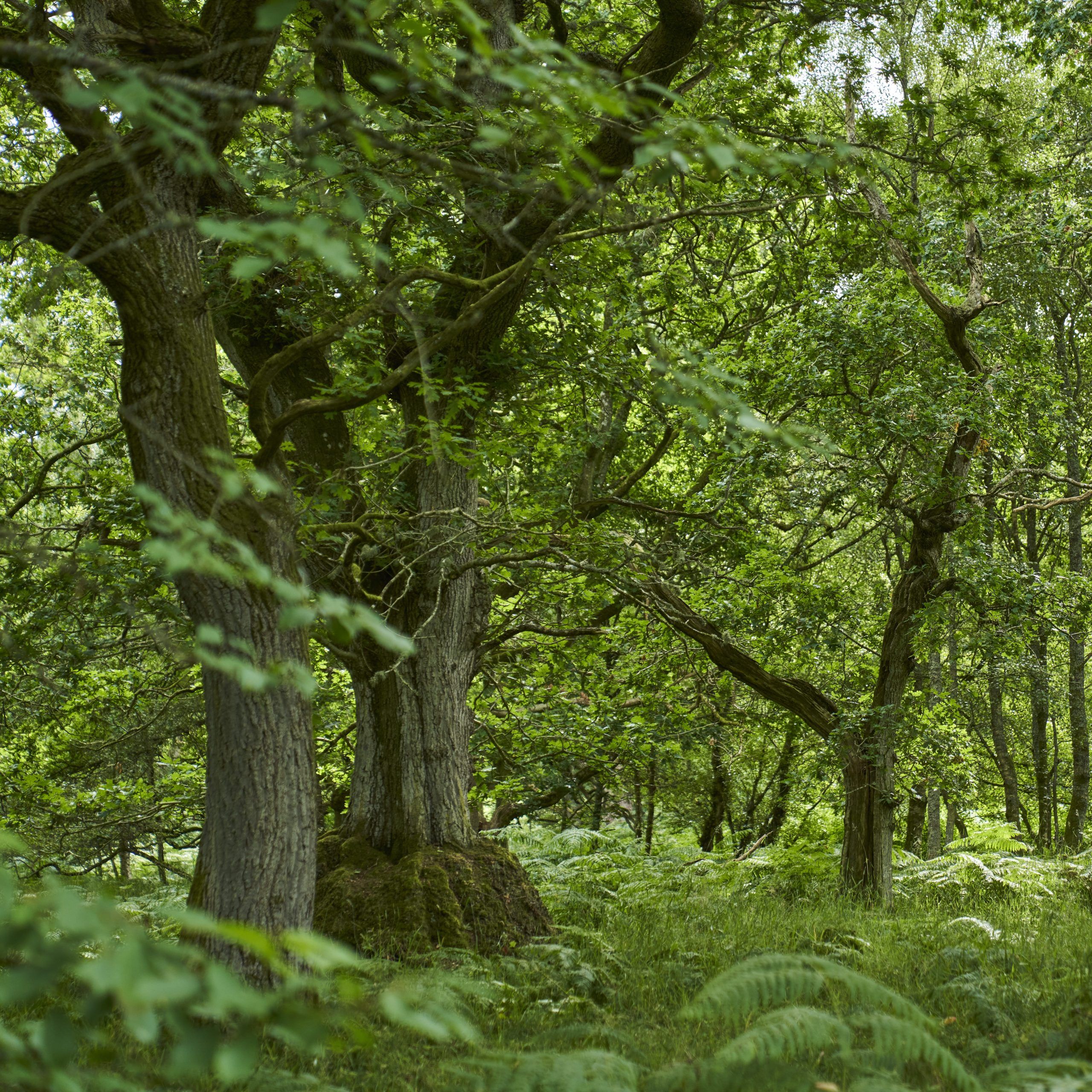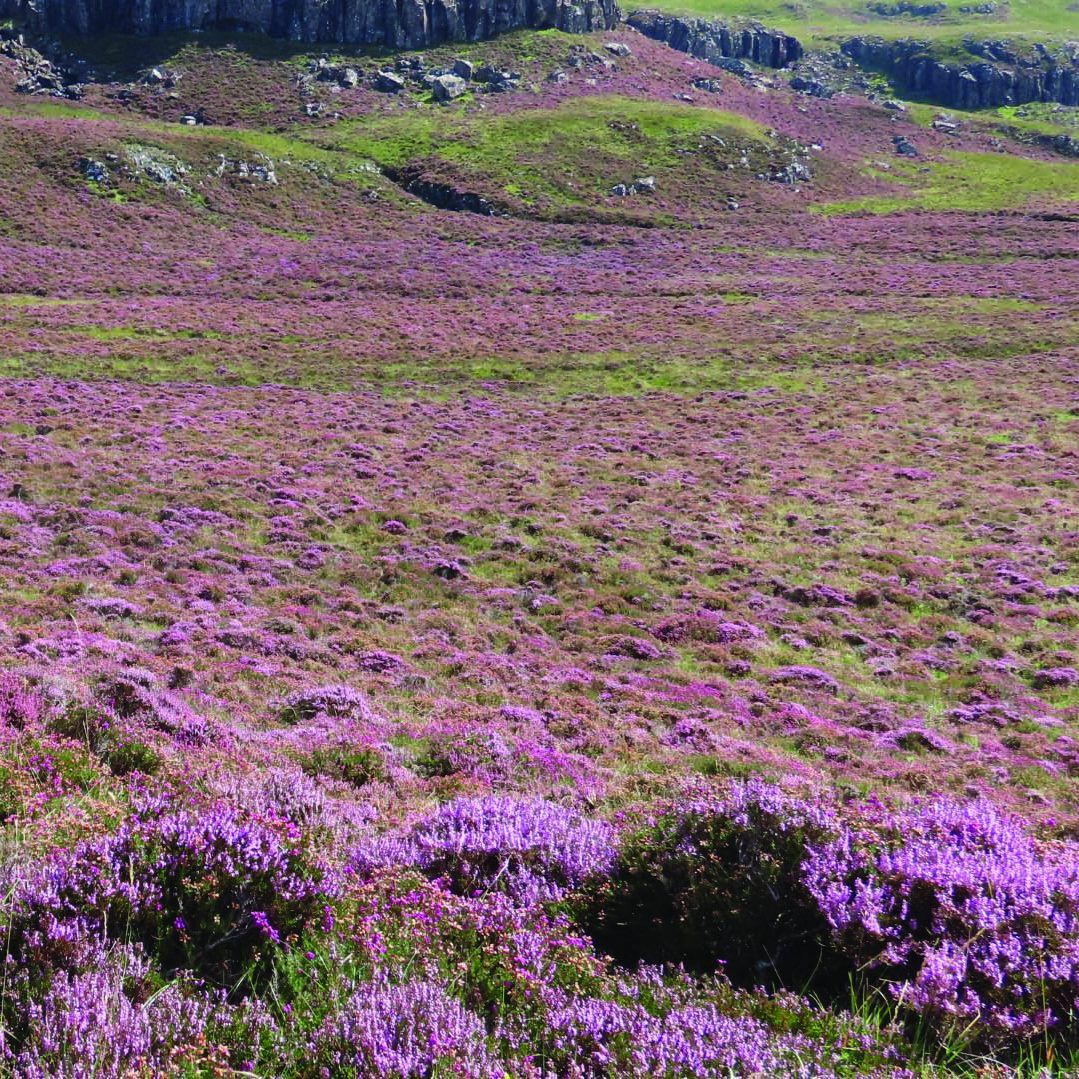


Short-eared Owls are one of the few owls that hunt during the day and night. They’re medium-sized owls that breed in upland grassland and young forestry, but can often be seen in winter in marshes and coastal sand dunes in Scotland. Short-eared Owls vary their breeding area a lot from one year to the next, which is why they’re called a nomadic species. They eat small mammals and the owls’ population varies a lot depending on how well their prey is doing, especially Field Vole.
Photos: Jake Stephen, Graham Goodall and Adam Hough for rspb-images.com
Action Needed
We need funding for better monitoring of Short-eared Owls in the breeding season so that we can understand them better. We also need support for open grassland habitat to be managed for nature, for example through improved agri-environment payments to farmers and crofters.
We need the legally-binding targets for nature recovery that are provided for in the Natural Environment Act to be set promptly, and for these to be adequately funded. We also need the grouse moor licensing provisions of the Wildlife Management and Muirburn Act to be enforced and to serve as an effective wildlife crime deterrent.
Threats
Short-eared Owls are facing pressure from loss of open grassland habitat due to development and forestry plantations.
Short-eared Owls also face persecution by humans, which is illegal. Most documented cases of this have occurred on land being managed for intensive grouse shooting.
MSP Nature Champion