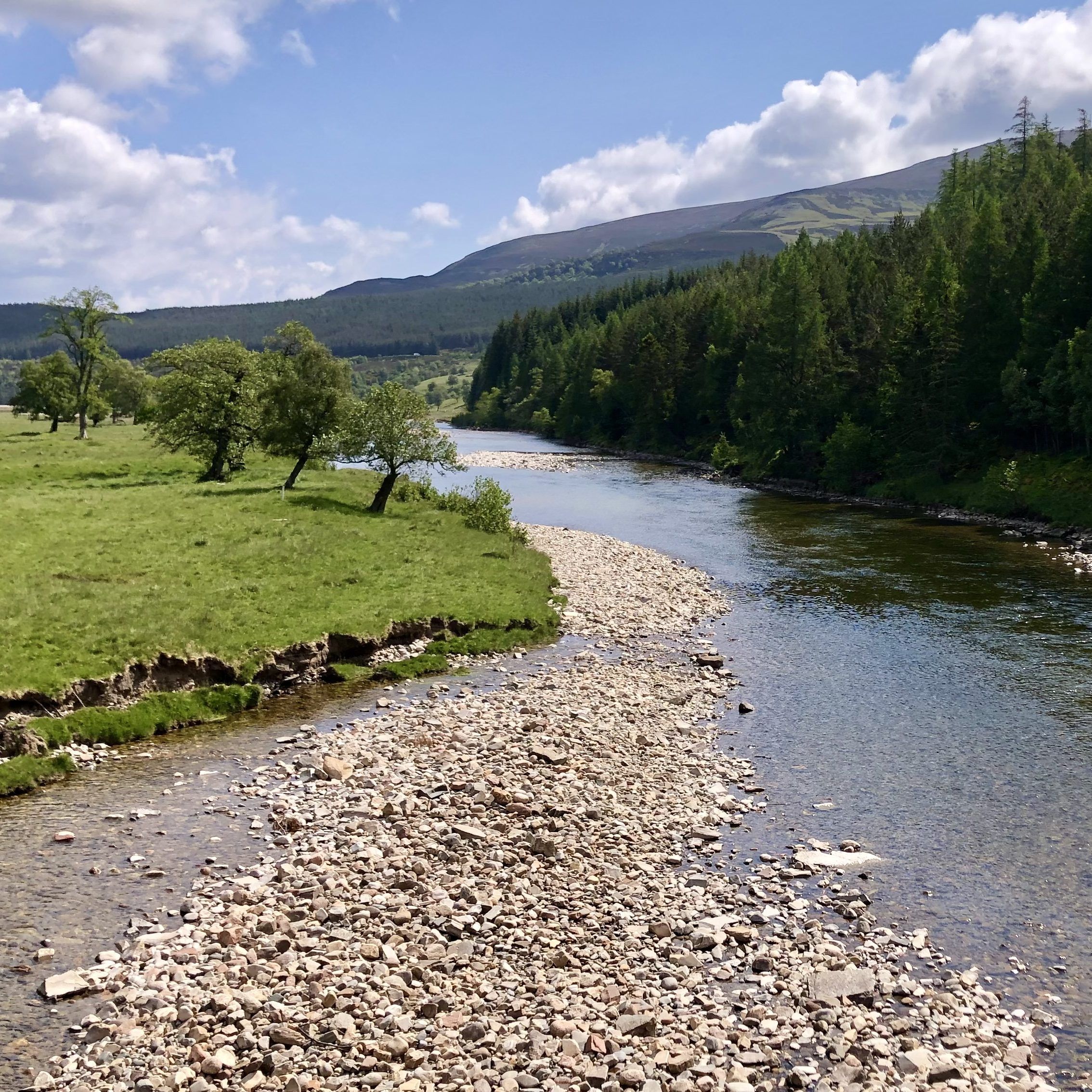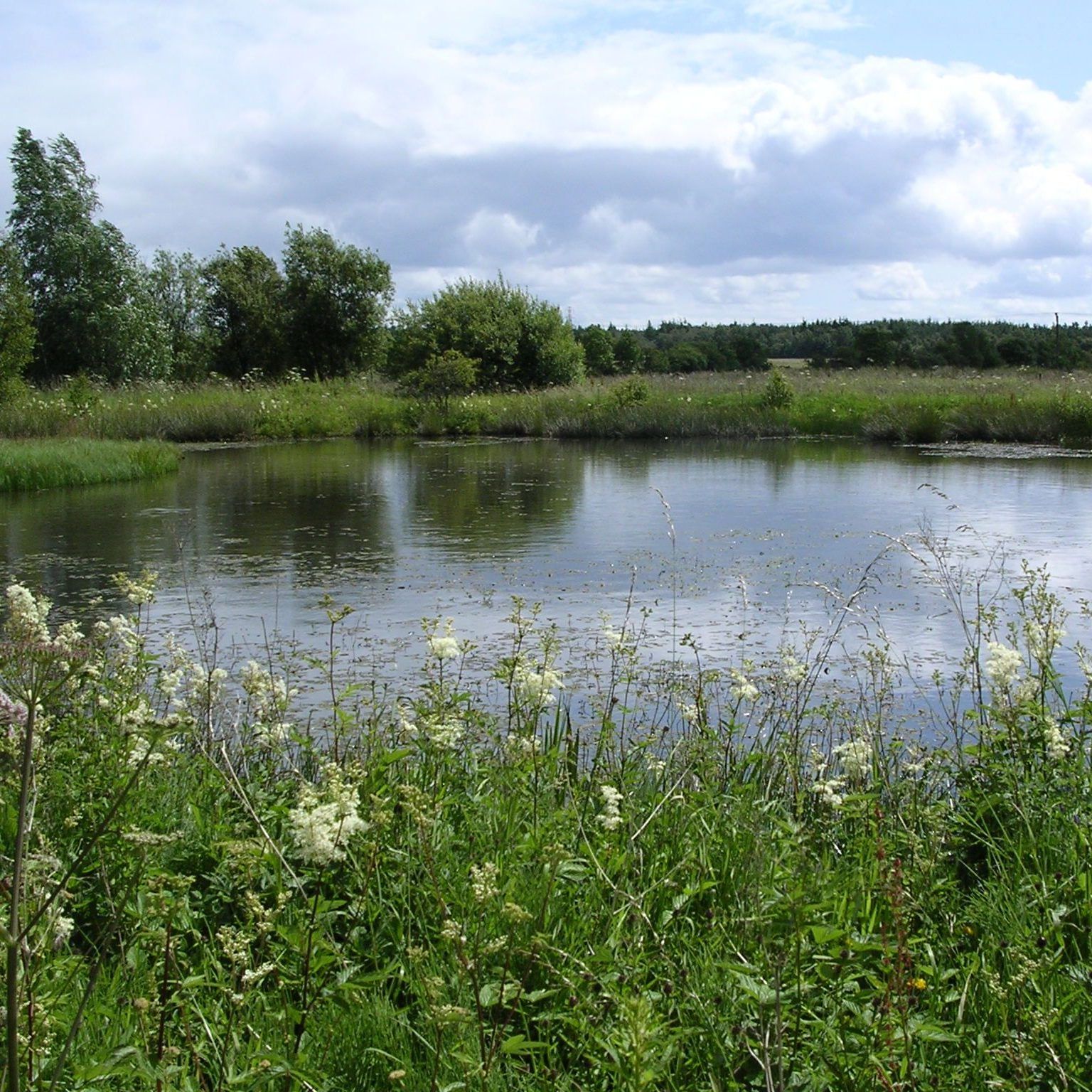


Water Voles are the largest vole species in Britain, and they’re semi-aquatic. They typically live in wetland habitat such as riverbanks and reedbeds, and they’re considered a sign of a healthy wetland ecosystem. They need slow-flowing water, soft banks for burrowing and dense vegetation to hide from predators, as well as to find food. Water Voles are plant-eaters that prefer tall grasses, rushes and sedges.
Some populations live away from water, such as urban Water Voles in Glasgow.
The Water Vole is on the Scottish Biodiversity List, which identifies species of most importance to biodiversity in Scotland.
Photos: Ben Andrew for rspb-images.com
Action Needed
- We need continued support for efforts to eradicate American Mink. This is being led by the Scottish Invasive Species Initiative.
- We need full legal protection for Water Voles, as already exists in the rest of Great Britain.
- We need more volunteers to help survey for Water Voles through the National Water Vole Monitoring Scheme to find out where Water Voles are and where they have been lost.
- We need increased funding for nature-friendly farming and for farm advisory work with land managers, to empower farmers and crofters to do more for nature.
- We also need to redouble our efforts to tackle climate change.
Threats
Water Voles are fully protected under Schedule 5 of the Wildlife and Countryside Act in England and Wales, but in Scotland only their burrows and places of shelter are protected. The most recent review of Schedule 5 species recommended that this should be increased to full protection. Water Voles are at risk of losing habitat due to development and land-use change, such as afforestation.
Water Voles are eaten by invasive non-native American Mink.
Water Voles are also at risk from overgrazing, especially along rivers, and from water pollution and increased flooding, or drought, due to climate change.
MSP Nature Champion

Fulton MacGregor
Member for: Coatbridge and Chryston
Region: Central Scotland and Lothians West
Party: Scottish National Party