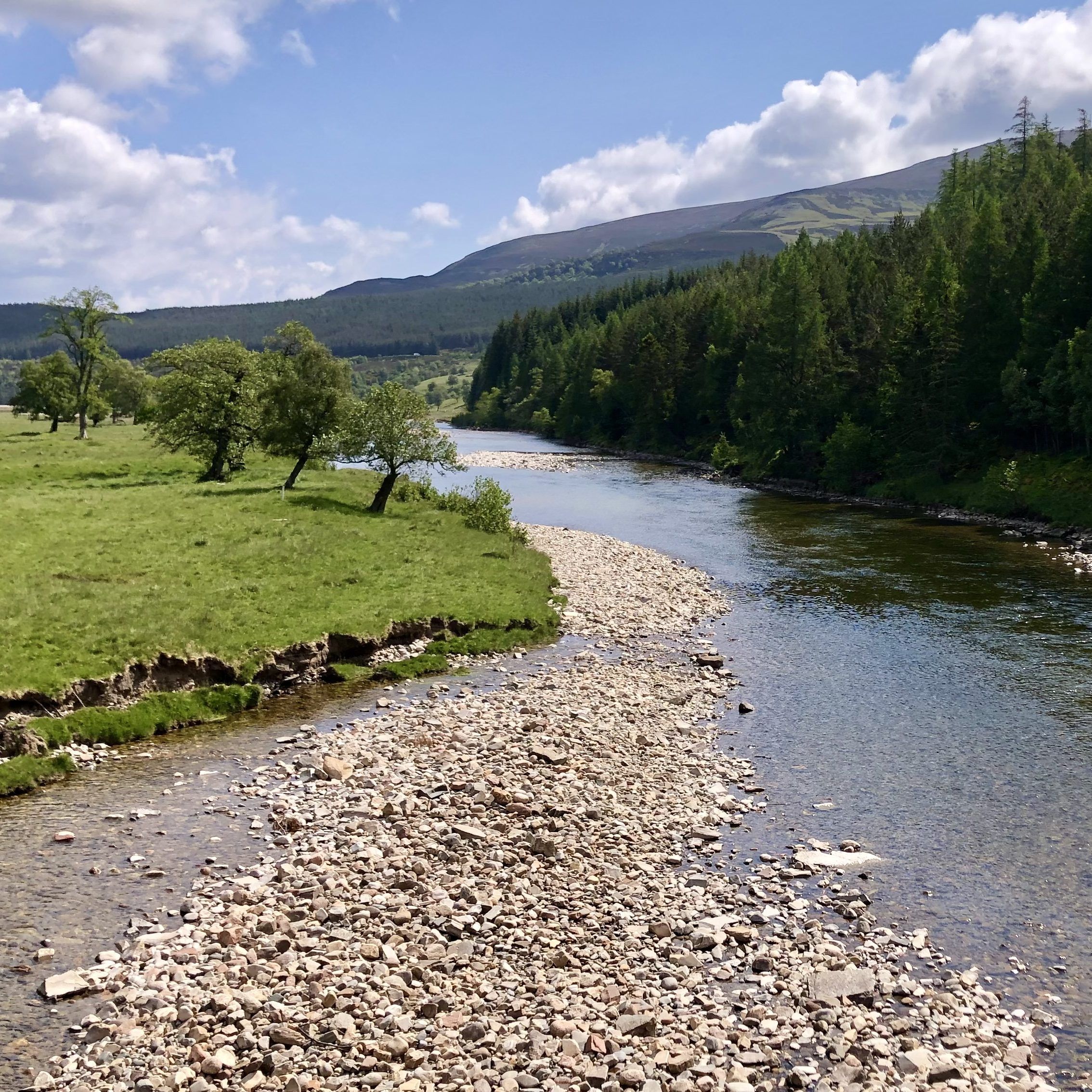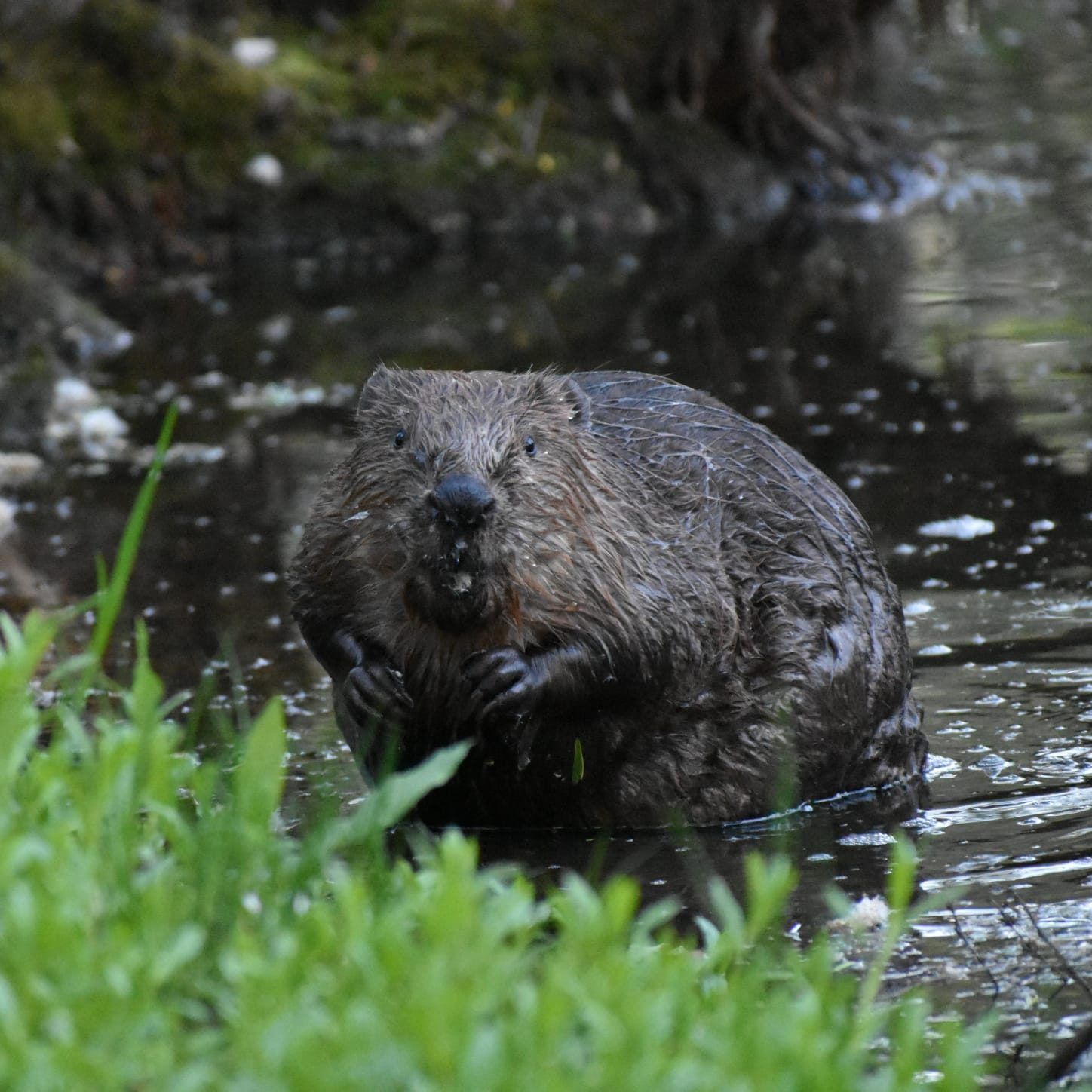


Riparian woodlands are woodlands found on the banks of streams, rivers, and lochs. They are biologically rich areas that are a vital feature of freshwater habitats and act as links between landscapes. There are over 125,000km of rivers and streams across Scotland, but only 19% of riverbanks are wooded.
The green arteries of our ecosystems, riparian woodlands serve important functions in our landscapes and river systems, including: mitigating the impacts of extreme climate events like flooding and drought, preventing banks from eroding and stabilising soils, reducing the amount of pollution entering watercourses, and regulating the temperature of the water by providing shade.
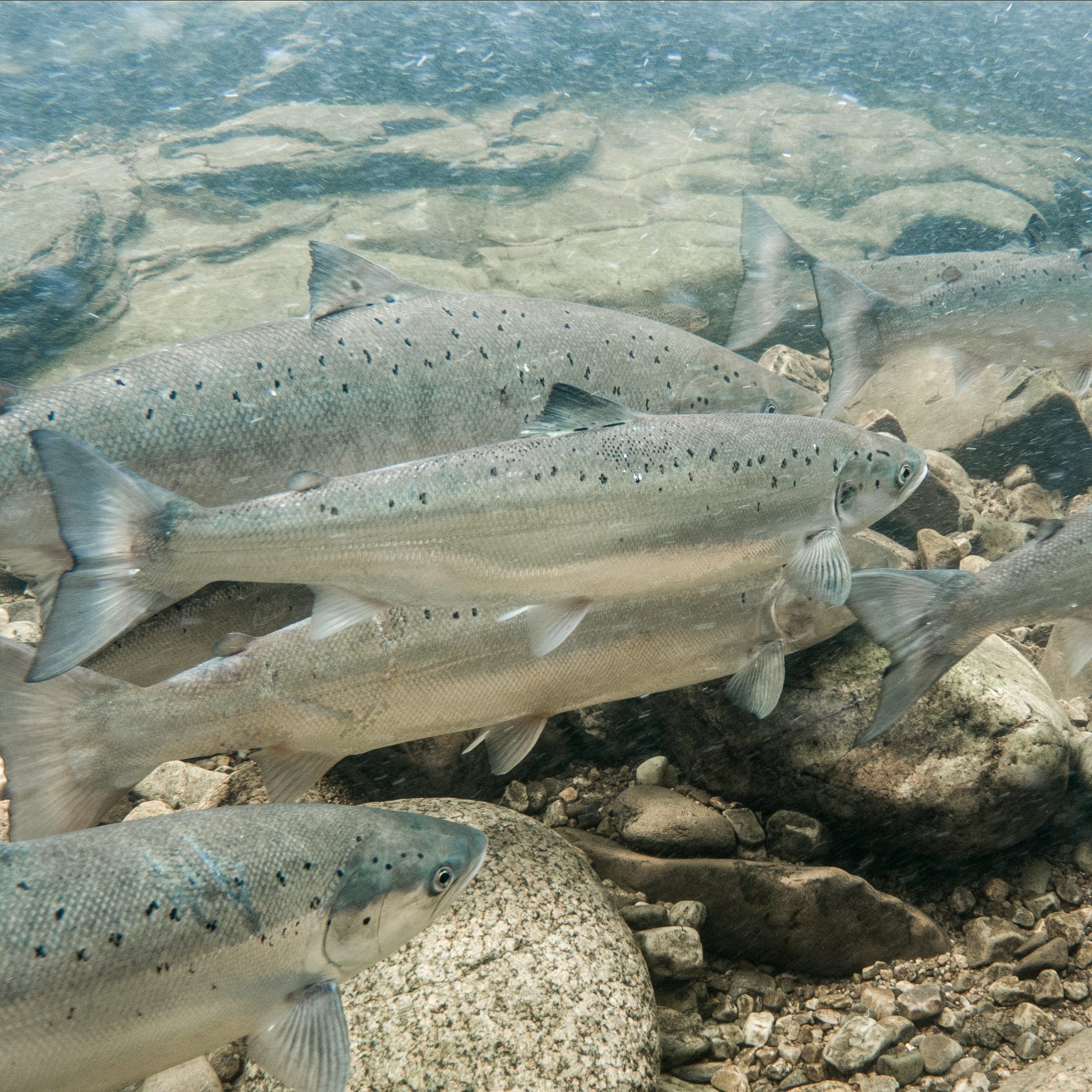
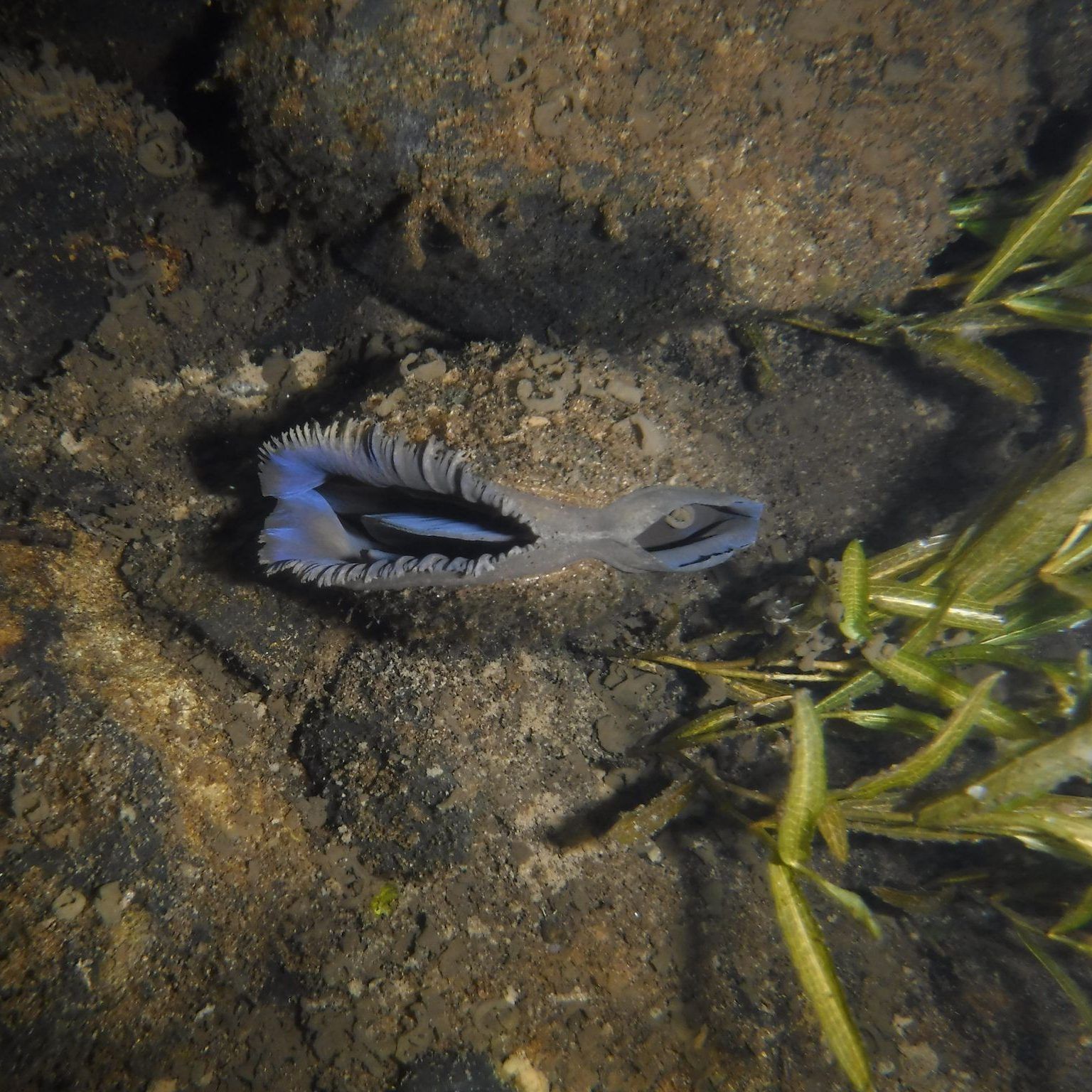
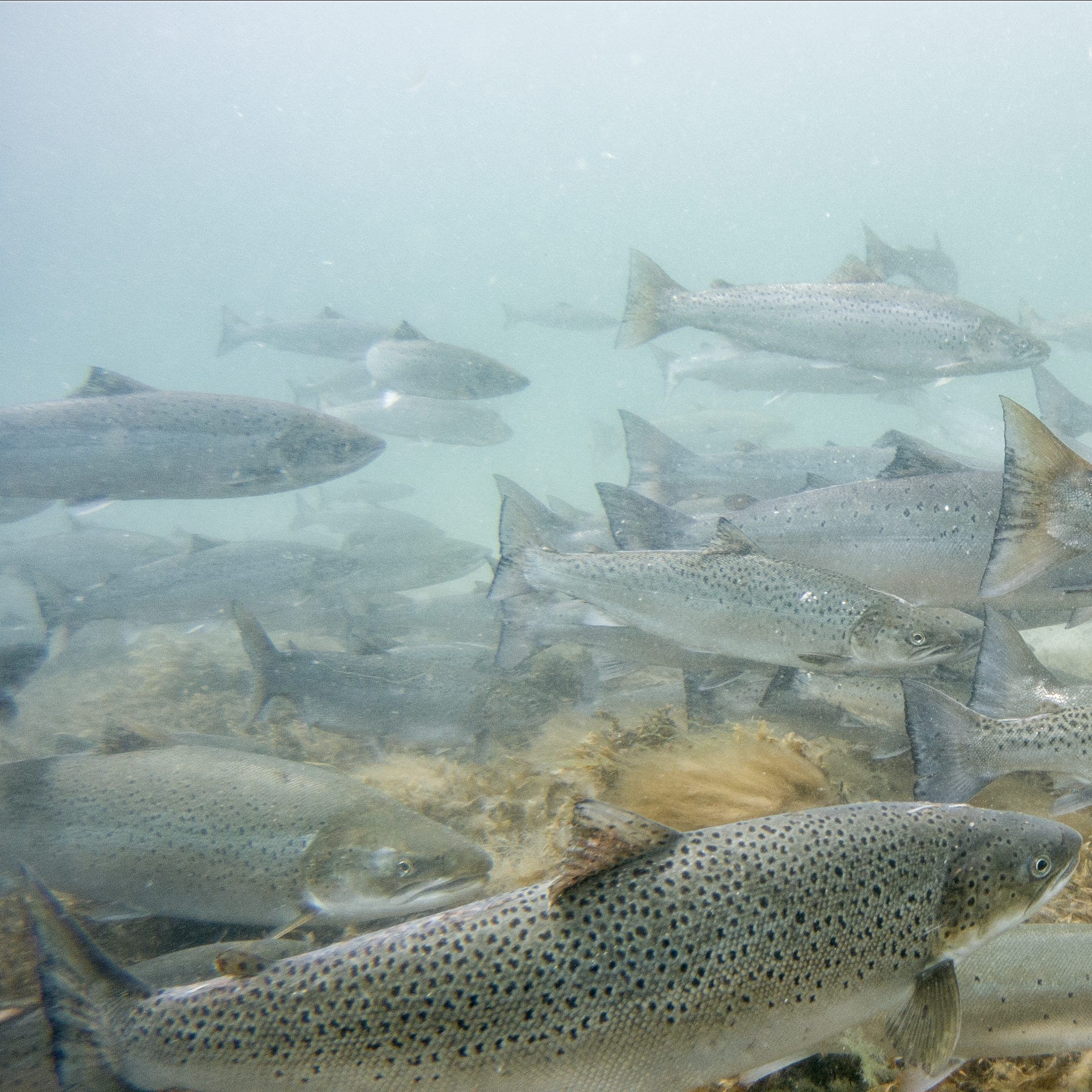
The native trees found in riparian woodlands, like alder and willow, substantially benefit the biological health of the river: rotting deadwood creates habitats for invertebrates that ultimately provide food for fish and other aquatic life, large branches and whole trees that fall into the water provide shelter for animals and alter the water flow creating a variety of habitats on the riverbed, and tree leaves provide a food source for aquatic life and contribute to nutrient input. Some of our most iconic species rely on healthy riparian and aquatic habitats, including otter, osprey, white-tailed eagles and Atlantic salmon. For example, cold, clean water is crucial for the survival of Atlantic salmon, and dappled shade from riparian woods helps maintain cool water temperatures.
Photos: Scottish Wildlife Trust
Action Needed
- Champion riparian woodlands as a priority habitat across Scotland. Encourage Scottish Government to recognise the ecological importance of riparian woodland as a priority habitat including within the Scottish Biodiversity Strategy, Nature Networks, and landscape-scale restoration frameworks.
- Ensure the government grant schemes, such as the Forestry Grant Schemes and Agri-Environment Climate Schemes, are sufficiently funded and designed to enable delivery of riparian woodland creation and restoration projects at pace and scale.
- Ensure the Scottish Government takes decisive action to substantially reduce impacts from high deer numbers.
- Support the nationwide ‘Riverwoods’ initiative to facilitate land-scape scale planning and collaboration for riparian restoration projects.
Threats
- Overgrazing by herbivores, particularly by deer but also domestic livestock including sheep, prevents sapling establishment and ultimately prevents river reforestation on large scales.
- Grazing impacts prevent the wider uptake of riparian projects as fencing is often needed to protect the trees. The cost of this fencing can be prohibitive, and it is often impossible to fence areas suitable to trees because the riparian zone is prone to flooding, washing away fences beside rivers and streams.
- Riparian zones are widely degraded due to historic agricultural intensification, pollution, urban development, introduction of invasive non-native species, and imprudent heather burning.
- Large-scale conifer afforestation, especially commercial non-native forestry planted right up to the water’s edge, can result in deep shade and acidification that negatively effects the chemistry of the water.
- Climate change, particularly increasing droughts and extreme weather events, stresses vegetation and compounds the impacts of other pressures.
MSP Nature Champion

Angela Constance
Member for: Almond Valley
Region: Central Scotland and Lothians West
Party: Scottish National Party