
The Bog Sun-jumper Spider (Heliophanus camtschadalicus, previously known as Heliophanus dampfi) is a tiny spider, only found in raised bogs, making it one of the rarest and tiniest jumping spiders in Britain. Its distribution is extremely fragmented and localised; found only in around 5-7 sites in central Scotland (Flanders Moss, Ochtertyre, Dunmore Moss, Wester Moss, Letham Moss). Their conservation status in the UK is Vulnerable to extinction.
This little jumping spider has a sleek black body with a black thorax and abdomen, brown legs and distinctive iridescent lime green palps (part of the mouthparts). The palps are used to transfer sperm from the male to the female. In males the palps are enlarged compared to females and can often appear like boxing gloves.
These spiders get their name from their ability to leap distances; using this ability to catch prey and for crossing gaps. Bog Sun-jumpers are able to accurately judge distance by having two large eyes on a flat face that point forward. Some species of jumping spiders also use this good vision in elaborate courtship rituals consisting of bright colours and extravagant dancing manoeuvres.
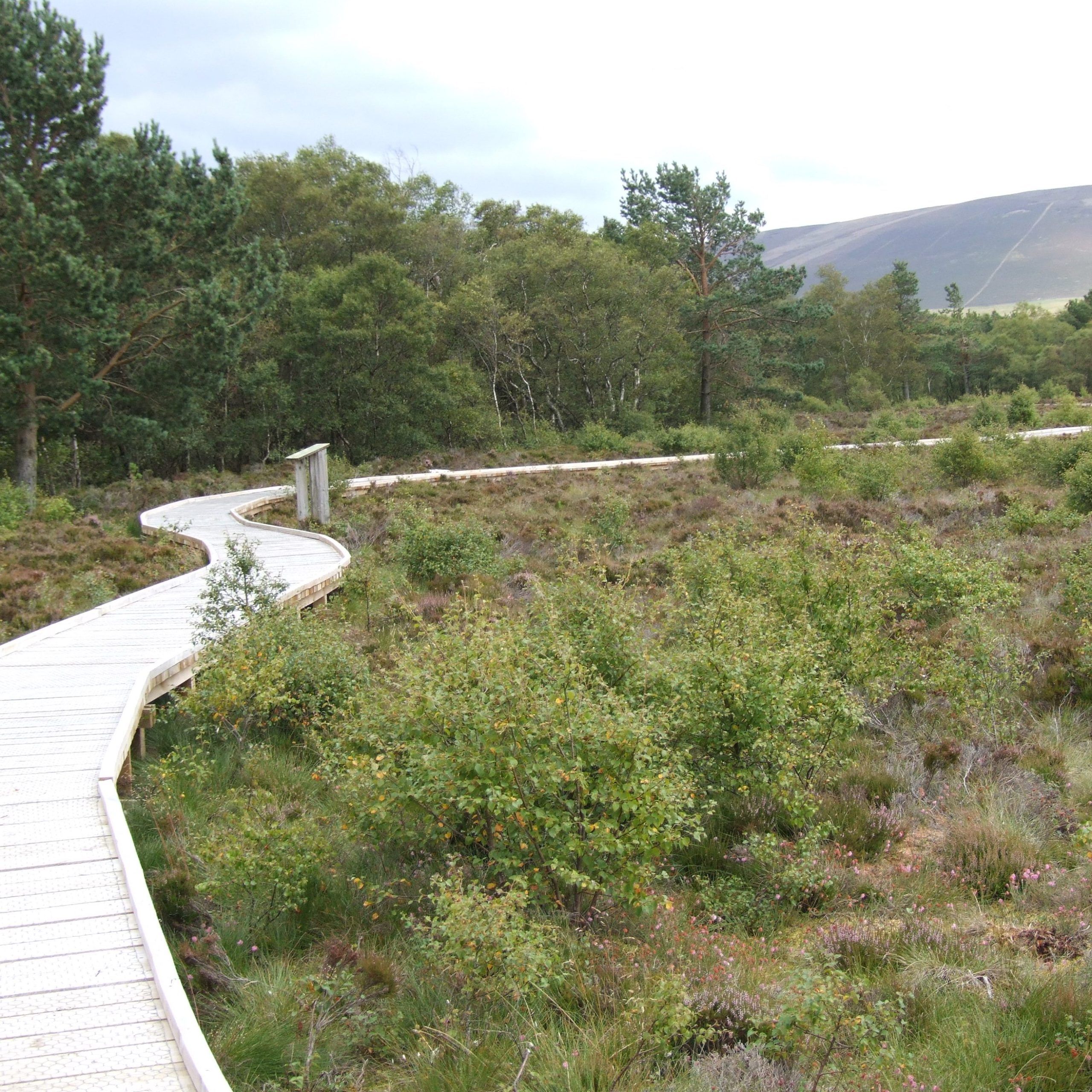
The Bog Sun-jumper Spiders are strictly confined to intact lowland-raised bogs and are predators that ambush small insects via leaps during daylight hours. Sun-jumpers can be found hiding at the base of grass tussocks in poor weather, emerging in sunny conditions from their hiding spots. The adult females are active from April to July, and the males are mainly active from June to July. The species is highly sensitive to bog hydrology and requires stable, wet, acidic conditions to thrive.
Photo: © Lorne Gill
Action Needed
- Push for increased funding for the protection and restoration of lowland-raised bogs.
- Advocate for mandatory ecological impact assessments by independent experts that evaluate long-term hydrological consequences for peat bogs as a result of development projects.
- Advocate for a ban on the extraction and sale of peat for horticulture.
- Advocate for ending afforestation on deep peat. Support measures that prevent the re-seeding of non-native tree species onto peatlands from plantations.
- Support incentives for regenerative agriculture especially in farms surrounding peatlands to reduce nitrogen deposition on peat bogs. Also advocate for chemical-free corridors around peatlands/ buffer zones from agricultural runoff to prevent the influx of chemicals that degrade bog hydrology.
Threats
Survival of the Bog Sun-jumper Spider is tied almost entirely to the fate of lowland-raised bogs, which have suffered catastrophic declines in the UK.
Habitat loss and degradation – Over 90% of lowland-raised bogs in the UK have been destroyed or damaged as a result of peat extraction, afforestation, agriculture and development. The remaining fragments are isolated, reducing connectivity and genetic flow. Fragmentation of the bogs further make the isolated populations of the jumping spiders are particularly vulnerable to fire and extreme weather conditions. Inappropriate burning leads to loss of Sphagnum and subsequent peat desiccation, shrinkage and erosion.
Hydrological changes – Drainage, erosion, nearby forestry and development alters the water table, drying bogs and making them unsuitable for the spider’s stable, wet and acidic microhabitat needs.
Chemical pollution – Chemical deposition (ammonia and nitrates) from nearby agricultural activities contributes to eutrophication and acidification, favouring invasive species over Sphagnum moss and altering bog vegetation. Dry ammonia deposition is particularly damaging to bog habitats.
Peat extraction for horticulture removes peat-forming Sphagnum moss and drains bogs, accelerating drying and exposing these pools to temperature fluctuations.
MSP Nature Champion

Martyn Day
Member for: Falkirk East and Linlithgow
Region: Central Scotland and Lothians West
Party: Scottish National Party