


The Eurasian Curlew, which is the species that we have in Scotland, is the largest wading bird in Europe. It’s a large, speckled brown bird with long legs and a distinctive long, down-turned beak. They breed on rough grassland, wet meadows and farmland and winter on coastal mudflats, wetlands and farmland. Many of our breeding curlews migrate from Scandinavia, but others stay the winter along the British coast or in Ireland.
The UK is internationally important for Curlew, with about 19-27% of the global breeding population nesting here. Alarmingly, we’ve lost almost half of our breeding Curlews since the 1990s. Curlew are globally recognised as Near Threatened by the IUCN and they’re on the UK Birds of Conservation Concern Red List. They’re also on the Scottish Biodiversity List, which identifies the species that are of the most importance to biodiversity in Scotland.
Photos: Rachel Bigsby and Sam Turley for rspb-images.com
Action Needed
Peatland restoration can benefit Curlews, as we’ve seen from our work at our reserve at Airds Moss. Peatland needs more and better funding nationally. We are working with the Nature Friendly Farming Network and the Working for Waders initiative to develop wader conservation measures on farms, such as sheep feeding. Farmers and crofters need to be supported to do more for nature through better funding for nature-friendly farming. Regional land-use planning to understand where the best places for Curlew are and avoid breaking up those landscapes with afforestation or construction would benefit Curlew, as well as other species that rely on open habitat.
Threats
Curlews have become thought of as an upland species as they have been negatively affected by intensive agriculture practices in the lowlands. They’re increasingly coming under pressure in the uplands due to afforestation and development, which removes or breaks up their open habitat. Curlews suffer heavy predation of eggs and chicks.
MSP Nature Champion
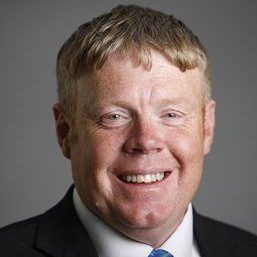
Tim Eagle
Member for: Highlands and Islands
Region: Highlands and Islands
Party: Scottish Conservatives