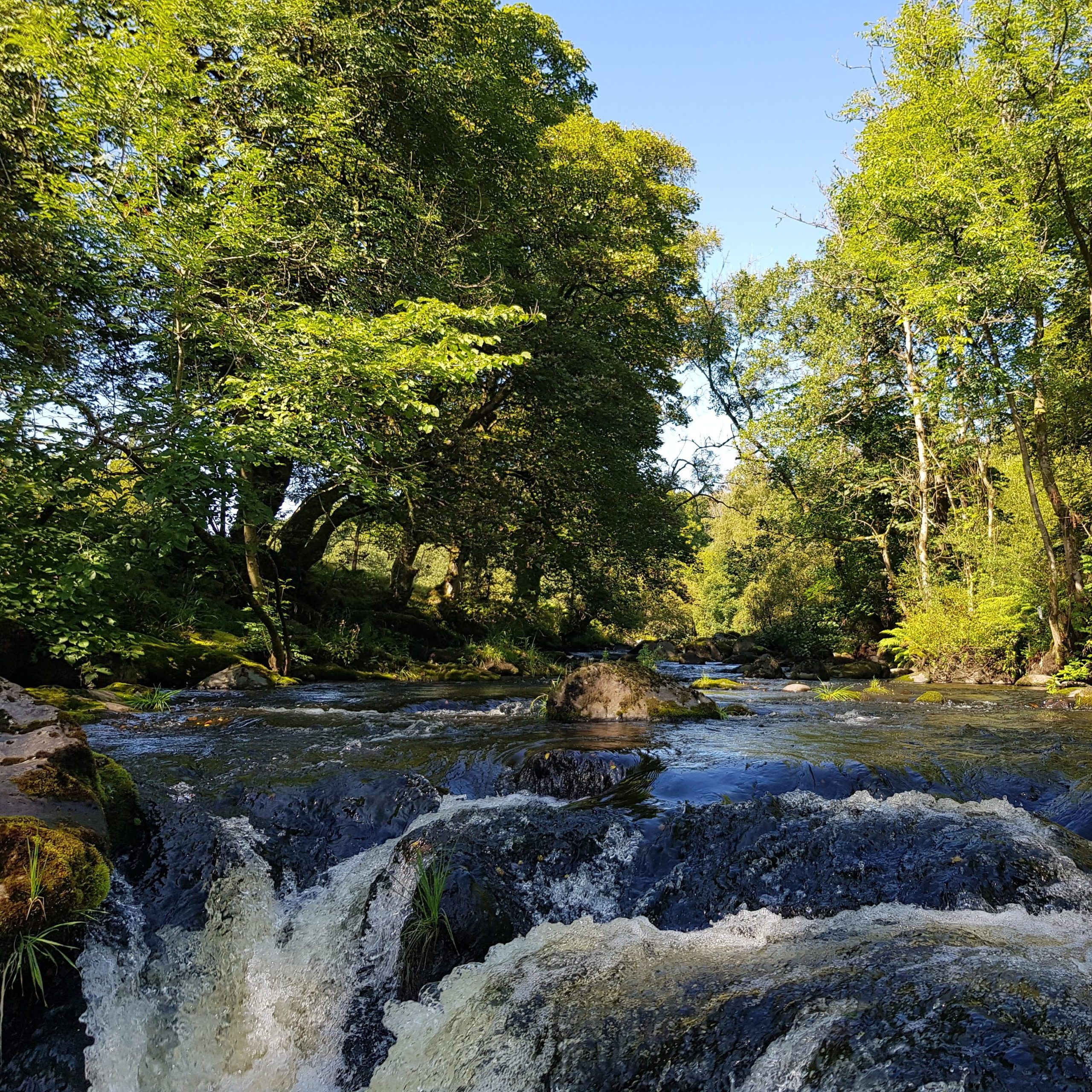

Scotland’s rivers are one of our most important national assets. They contribute to the health and well-being of communities; support a rich diversity of wildlife; and provide water for economic activities such as agriculture, renewable energy and whisky production. Working together to maintain and restore the health of our rivers and surrounding environment is vital. We must pass on healthy rivers with cold, clear water to future generations.
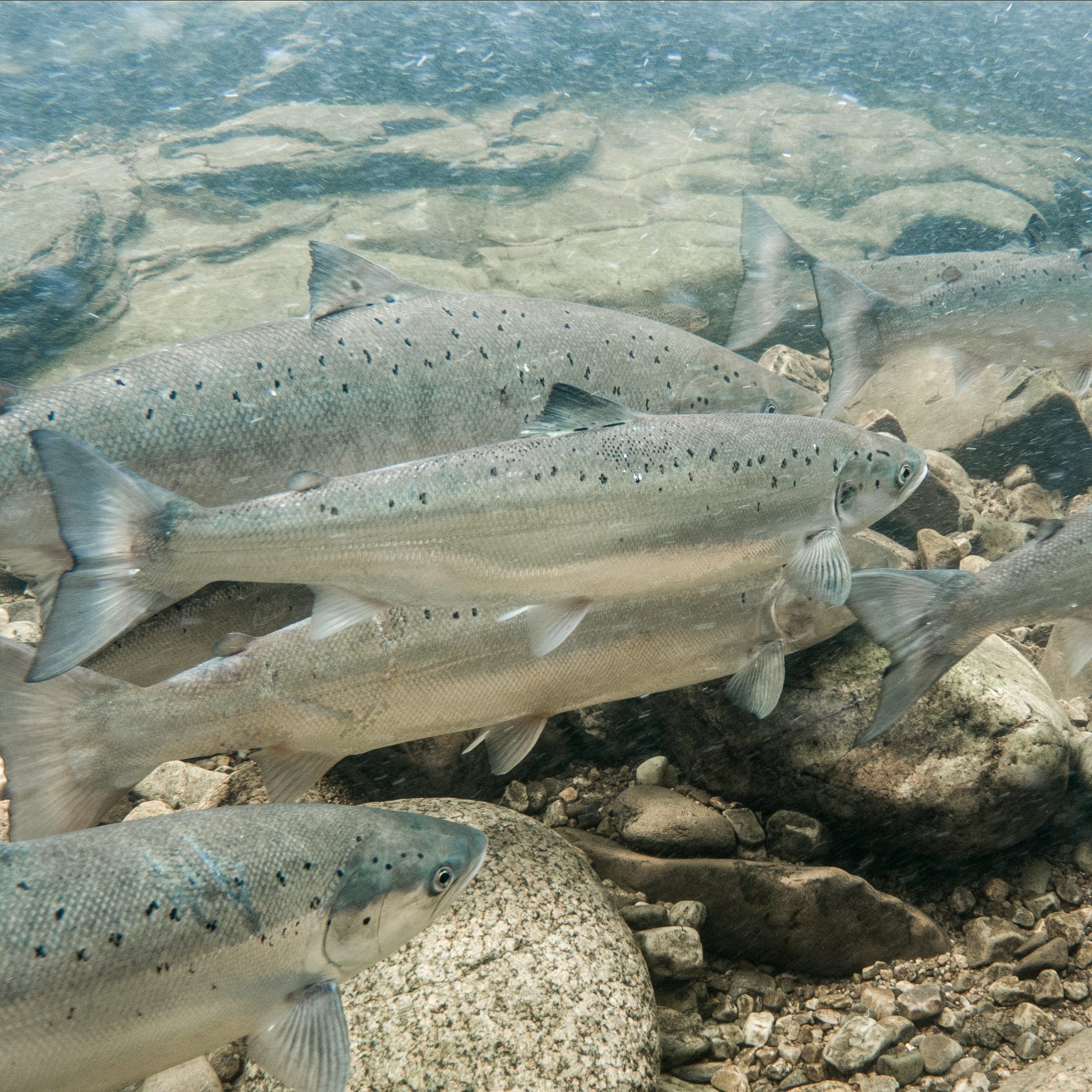
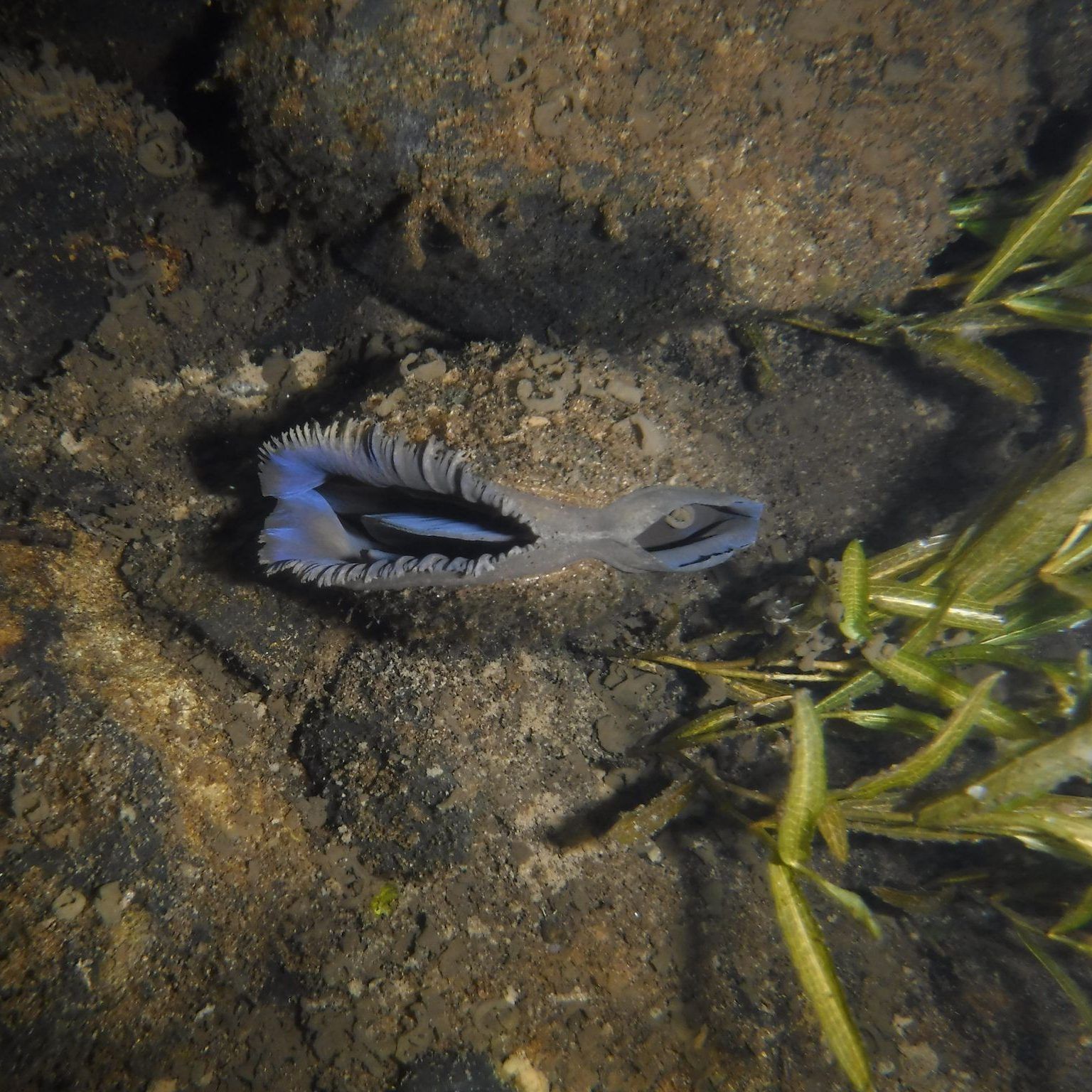
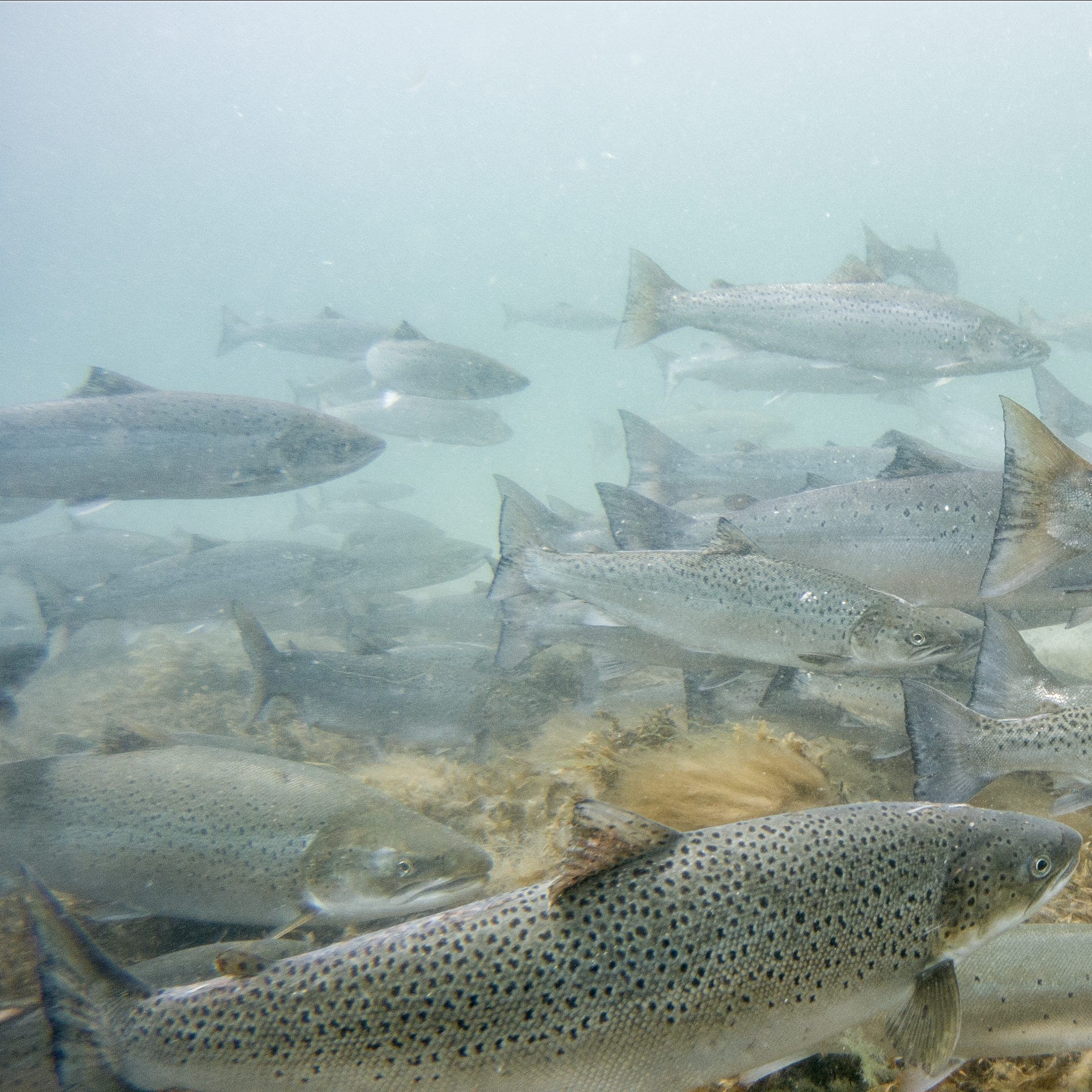
Scotland’s rivers are biodiversity hotspots and are among the healthiest freshwater systems in Britain. They provide critical habitats for wildlife including iconic species such as the Atlantic Salmon, Freshwater Pearl Mussels and Otters. Scotland holds two-thirds of the UK’s river systems and supports rare and economically vital species that depend on and sustain healthy river systems.
Rivers act as corridors connecting landscapes, feeding lochs and wetlands while regulating water quality and flow. They are sensitive indicators of environmental health; important invertebrate species such as mayflies, caddisflies, freshwater shrimps and mussels, and fish like the Atlantic Salmon, Sea Trout and Brown Trout are critical indicators of river health. Many of these species are declining in the face of pollution, invasive non-native species, abstraction and development.
Photo: Mick Garrett, (CC BY – SA 2.0)
Action Needed
- Ensure full implementation and enforcement of policies such as the River Basin Management Plan and agricultural policy.
- Ensure the legal rights for rivers are recognised, such as the right to flow, be free from pollution, and be restored. Legal status empowers communities to defend ecosystems vital to biodiversity, climate resilience and human wellbeing.
- Advocate for guaranteed long-term resources to deliver practical conservation, to halt extinctions and drive freshwater species recovery
- Support projects that restore freshwater habitats, including native riparian woodland creation for climate adaptation, and to remove unnecessary or defunct structures from rivers.
- Push for improved regulation, monitoring and understanding of veterinary medicines and chemical runoff to maintain river health and water quality.
Threats
Pollution: Scotland’s waters are seeing a rise in novel chemical pollutants including pharmaceuticals, PFAS (“forever chemicals”), and microplastics. These substances can disrupt aquatic food webs, accumulate in sediments, and pose long-term risks to species health and reproduction.
Veterinary flea and tick medicines containing fipronil and imidacloprid, pesticides banned in agriculture, are a significant source of river pollution. These chemicals wash off pets during bathing and laundering, entering wastewater systems that cannot filter them out. Along with agricultural runoff, they are highly toxic to aquatic invertebrates, including freshwater shrimps and insect larvae.
Habitat Degradation: Free-flowing rivers are critical for freshwater biodiversity to thrive but many of Scotland’s rivers have been heavily modified by human activity; channelisation, dams and flow control structures have disconnected rivers from their floodplains and disrupted natural hydrological processes. Giving rivers space to move, reconnecting them with floodplains and allowing sediment and species to flow freely are essential to reversing habitat degradation.
Climate change: Rising temperatures, frequent extreme weather events and altered rainfall patterns are placing stress on freshwater ecosystems. Average river temperatures have already risen by 1.5 °C since the 1980s. These thermal shifts threaten temperature-sensitive species like Atlantic Salmon and stoneflies, whose life cycles depend on cold, clean water.
Invasive Non-Native Species (INNS) are a major threat to Scotland’s freshwater biodiversity, outcompeting native species and disrupting ecosystems. Climate change compounds this impact by creating favourable conditions for invasives to spread. INNS cost Scotland nearly £500 million per year, while causing severe and persistent ecological damage.
Hydro-electric schemes provide crucial renewable energy supplies but can significantly harm freshwater habitats and biodiversity. Since schemes are often sited in areas with sensitive habitats and rare species, thorough impact assessments are vital to determine appropriate locations and develop robust mitigation measures.
MSP Nature Champion

Dawn Black
Member for: Angus North and Mearns
Region: North East Scotland
Party: Scottish National Party