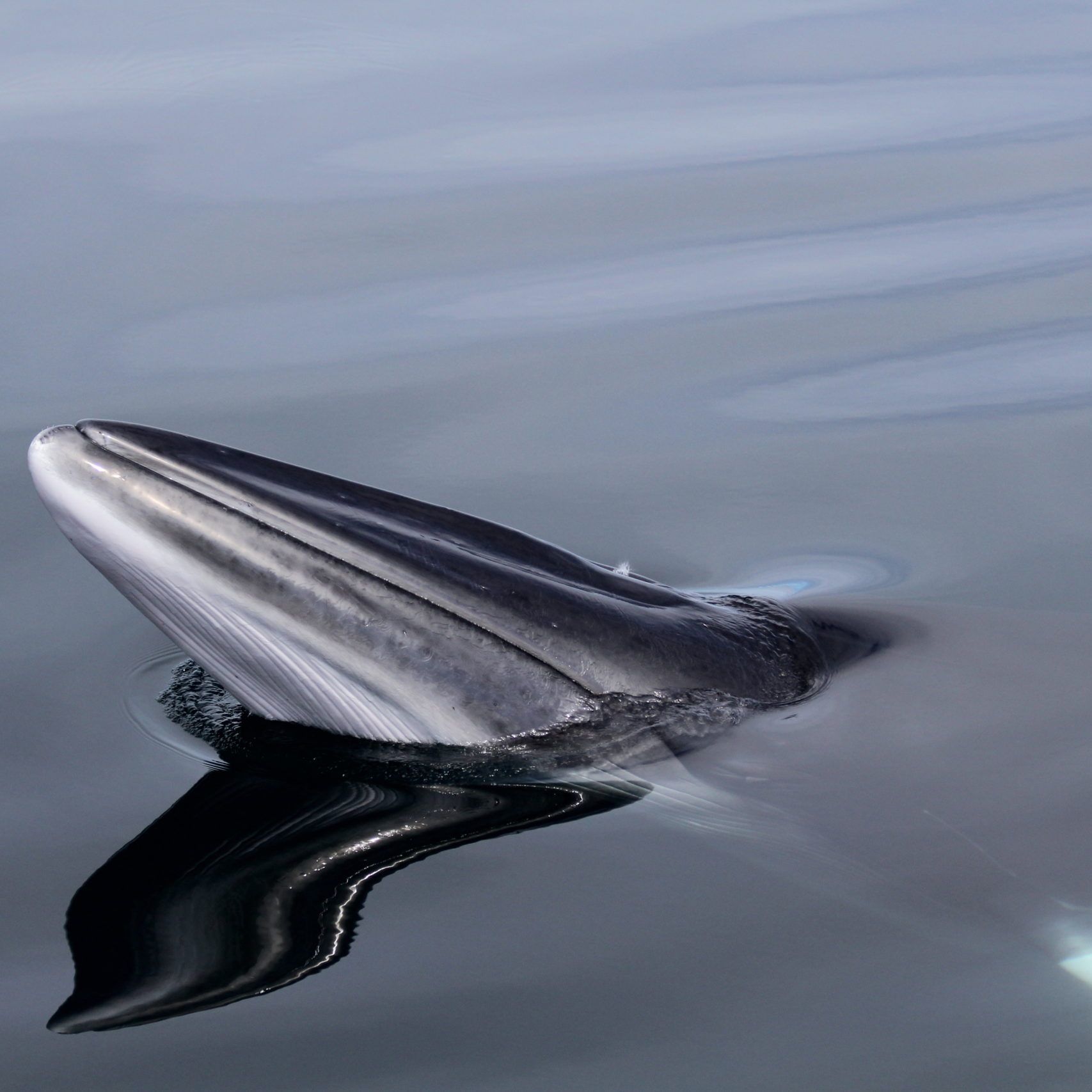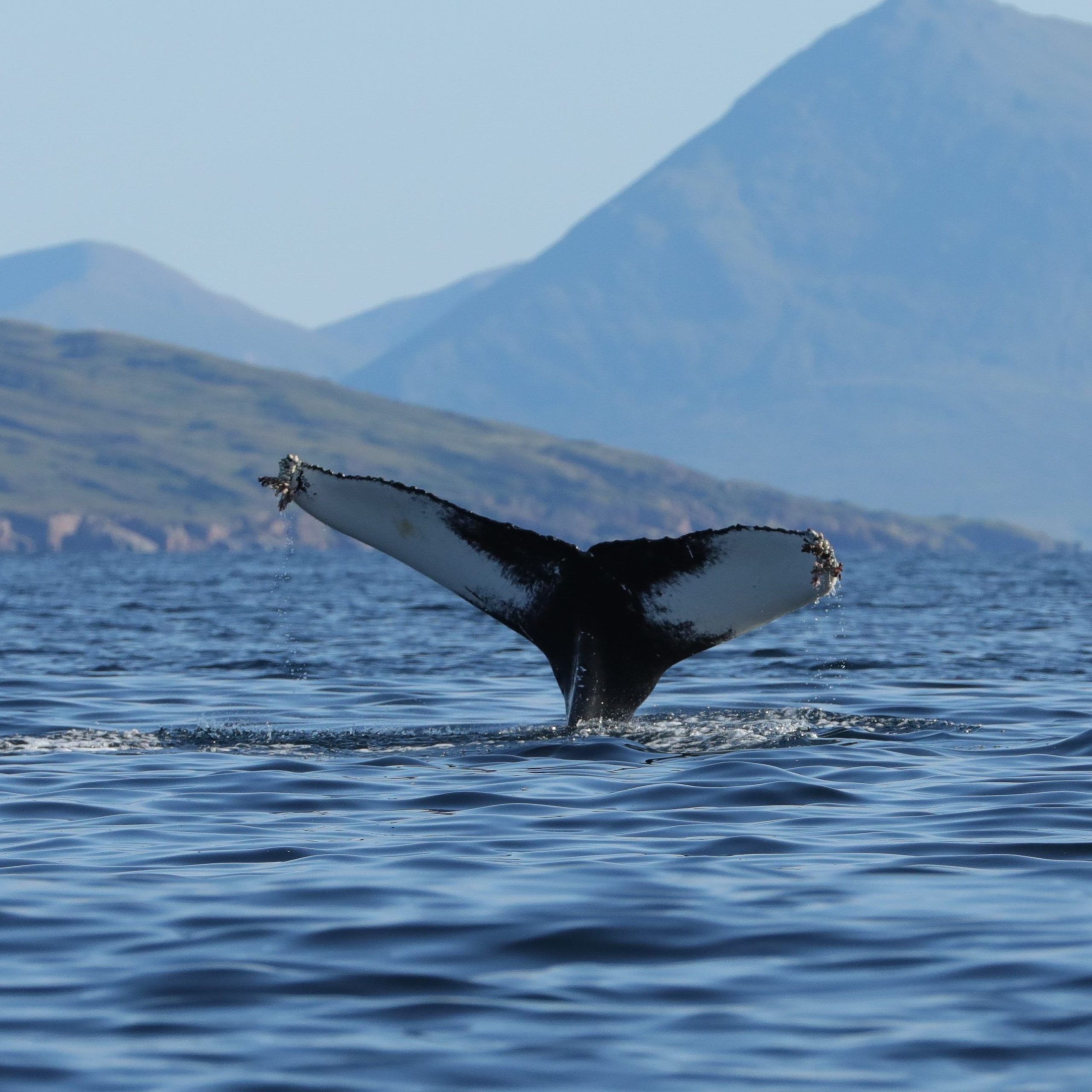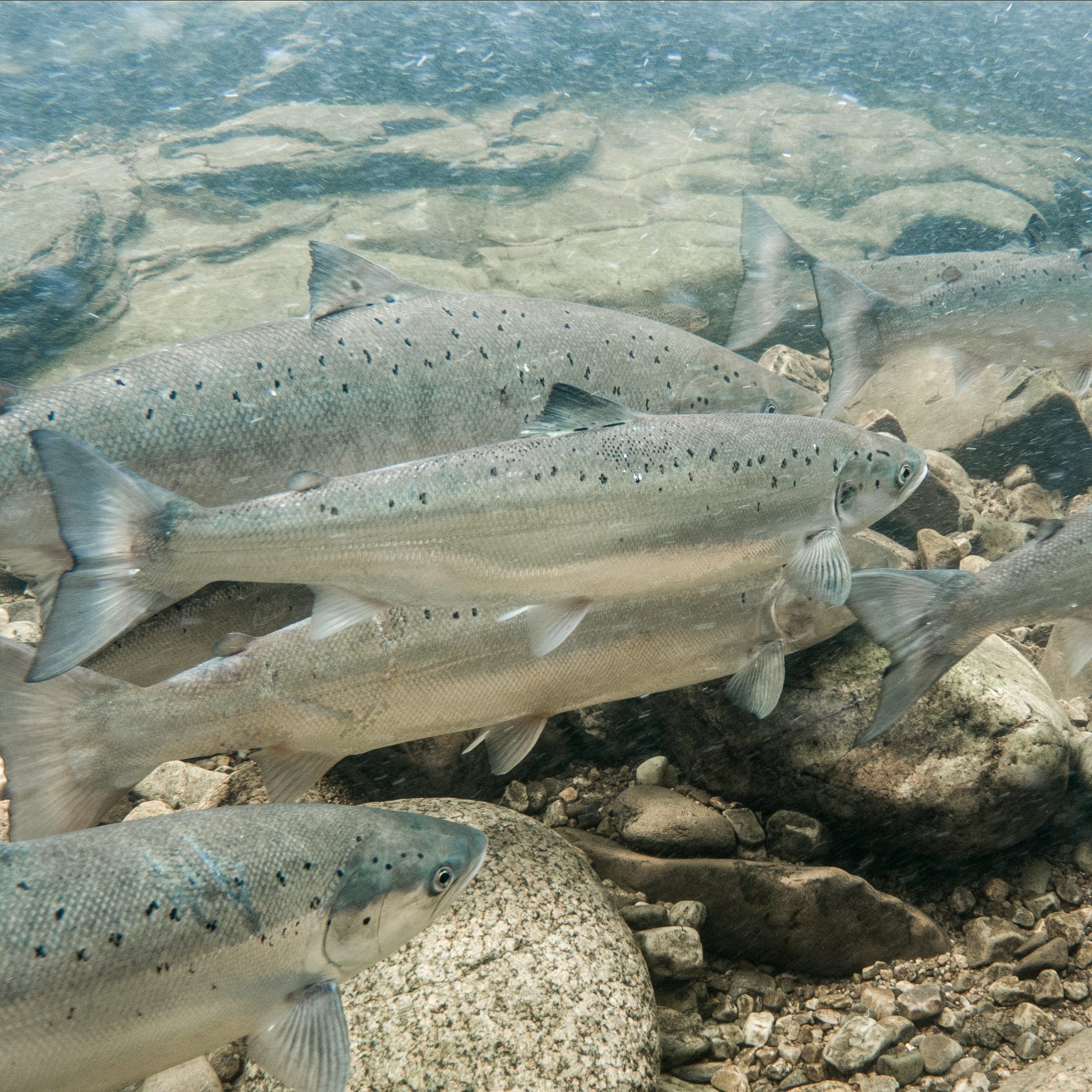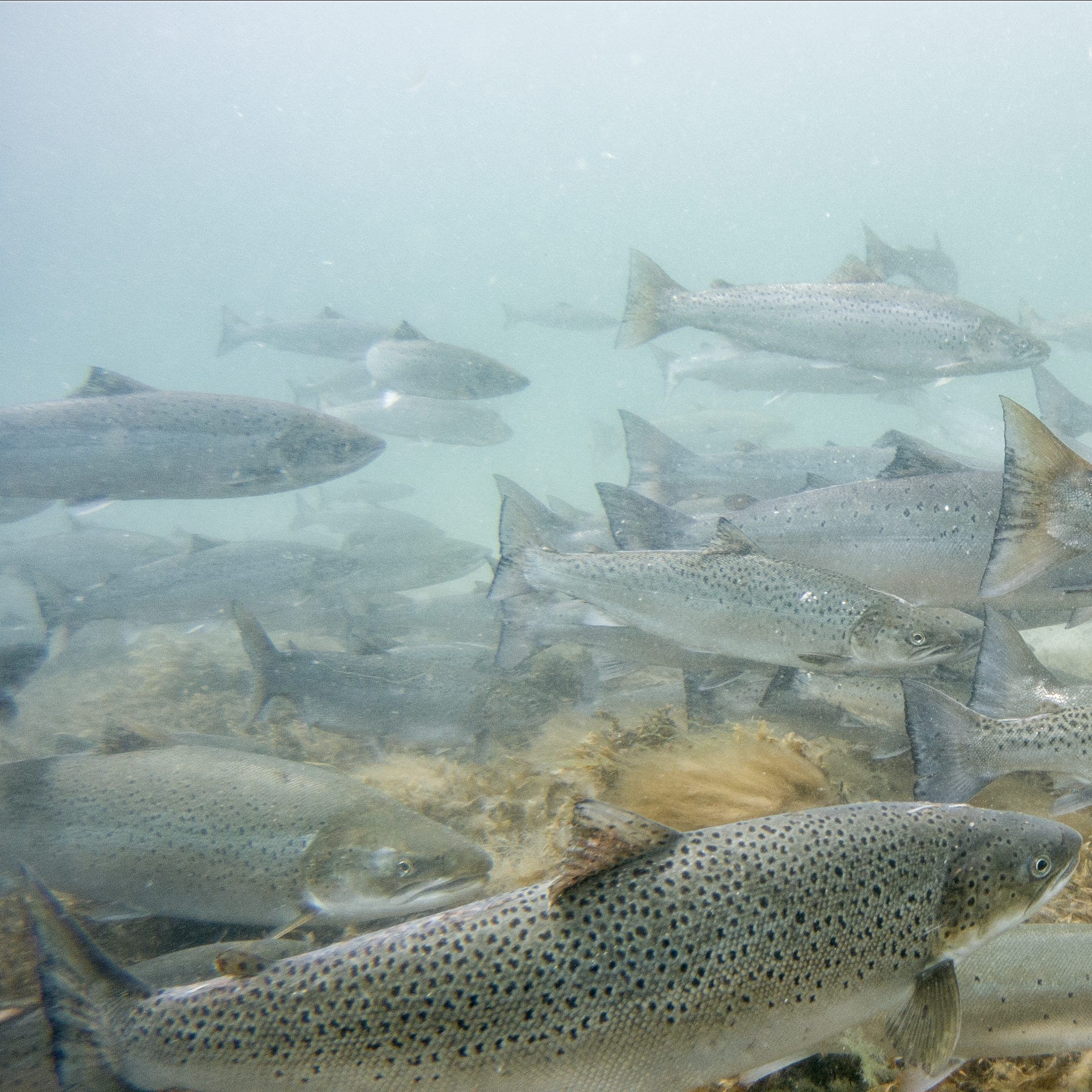


Sandeels are slim, silver fish which take their name from their eel-like shape and movement. They feed and spawn in huge shoals in Scottish waters and are considered a cornerstone species of the marine environment, playing a crucial role in sustaining healthy marine food webs.
Despite not being fished for human consumption, sandeels have been at risk from industrial fishing by Danish (in particular), Norwegian and German boats, capturing sandeels for livestock or aquaculture feed, and for use as a fertiliser.
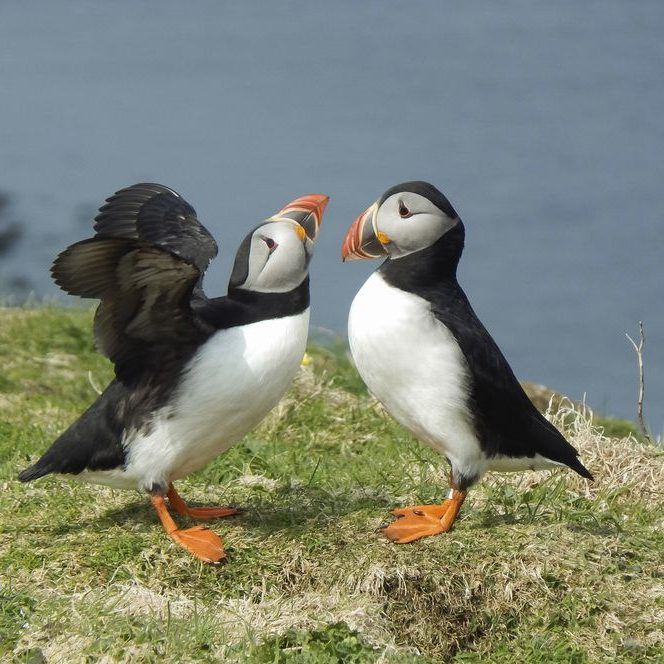
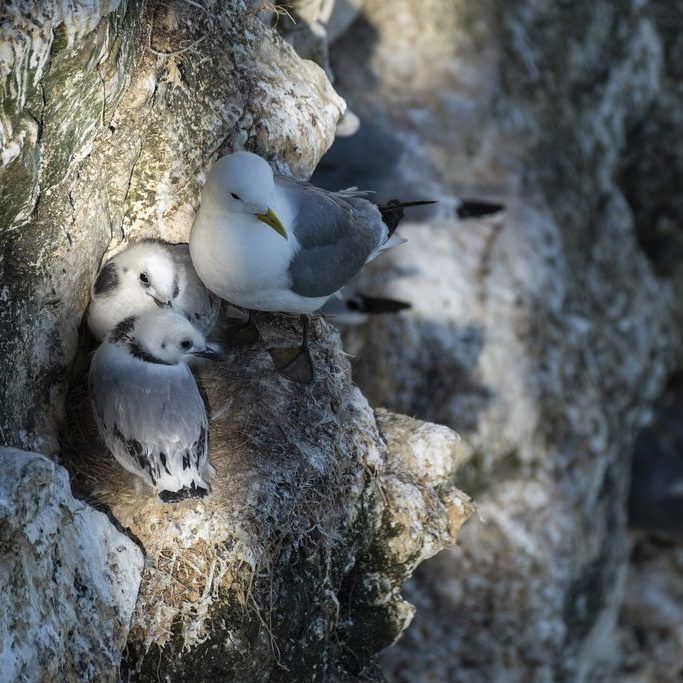
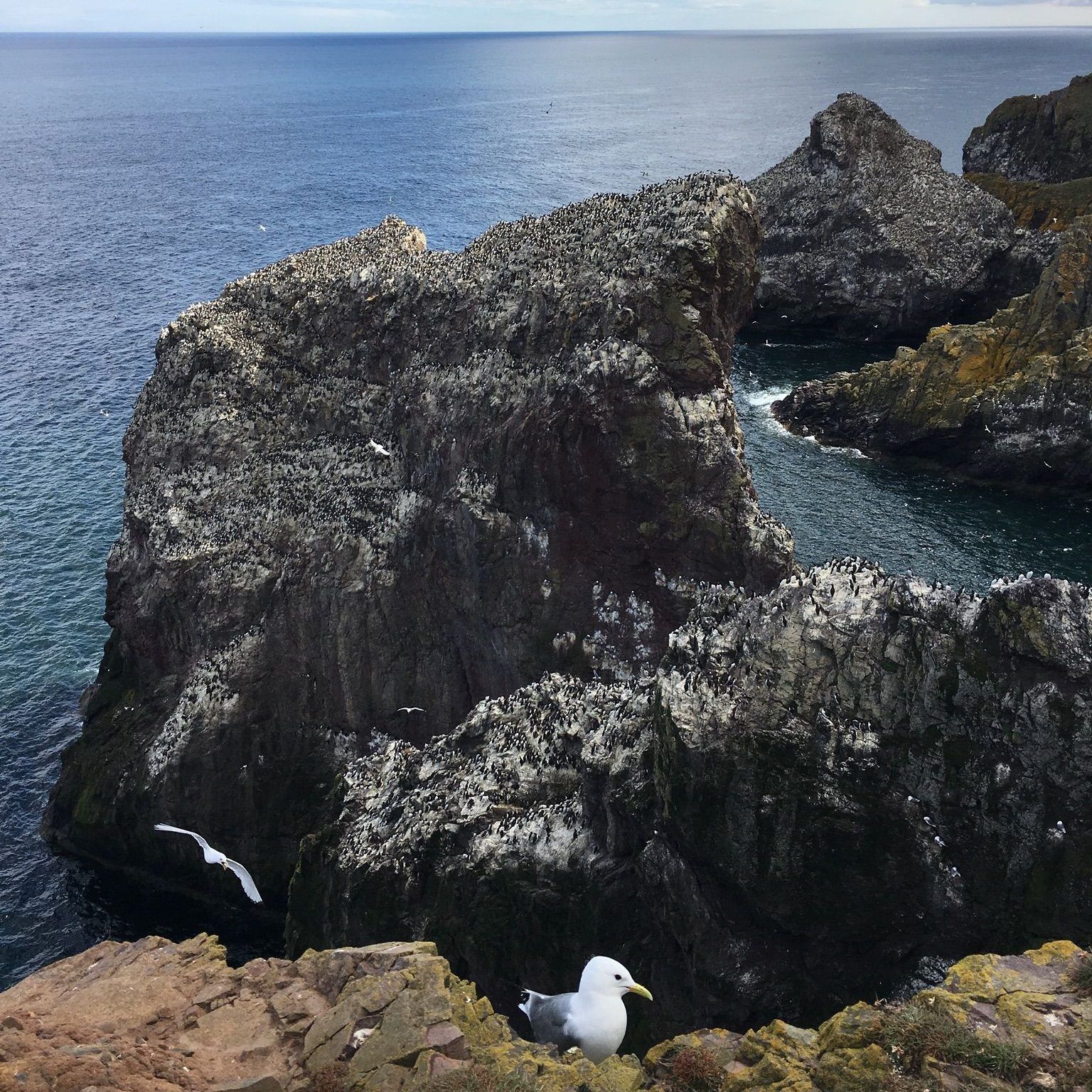
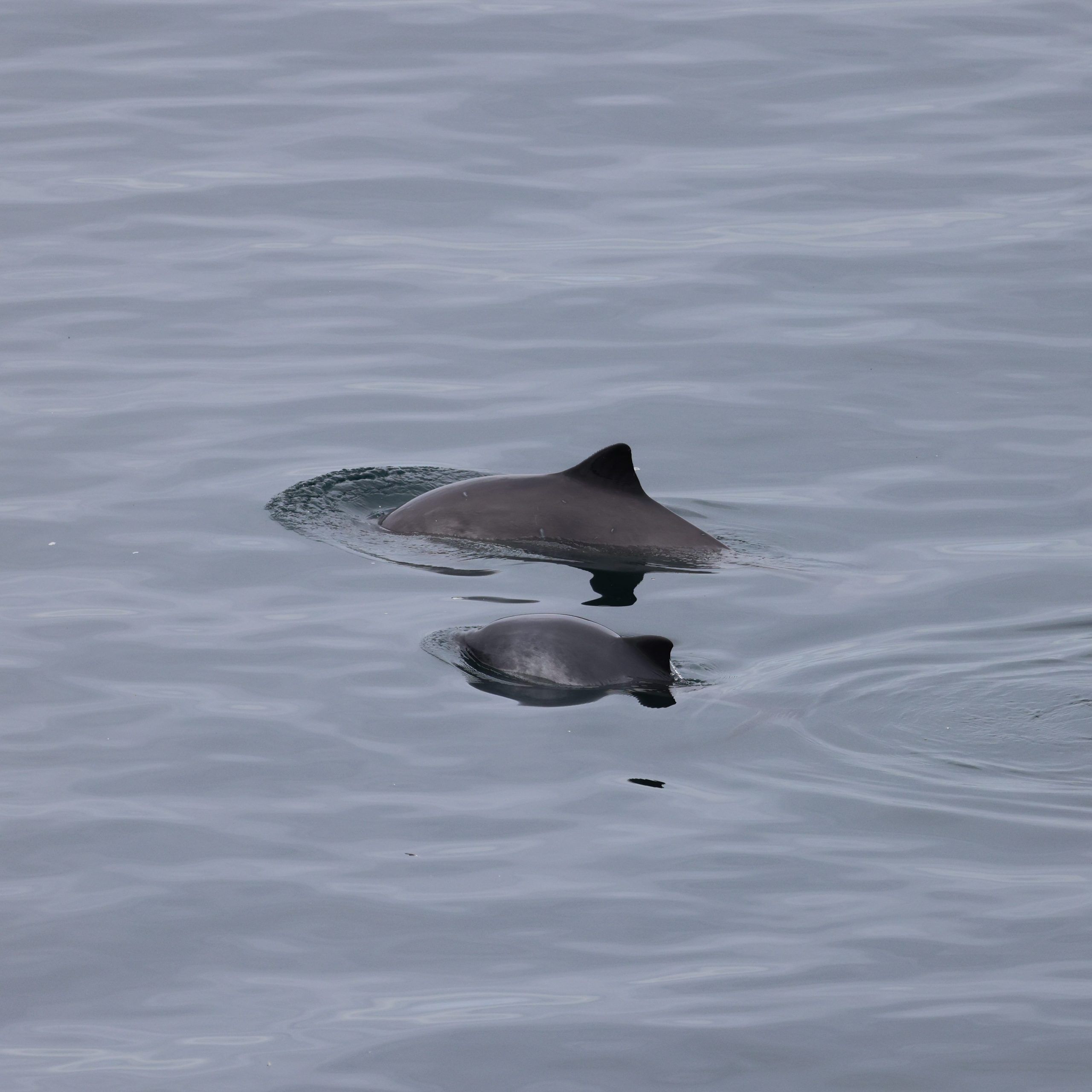
Previous studies have linked the industrial fishing of sandeels to a decline in seabird populations. Sandeels are a vital food supply for seabirds such as Puffins and Kittiwakes, as well as for marine mammals and larger fish, so protecting them from fishing helps to safeguard the wider marine ecosystem.
In 2019, UK vessels were banned from commercial sandeel fishing – but vessels from other nations were still allowed to continue. In 2024, the UK’s exit from the EU meant that it was more straightforward for the Scottish and UK Governments to extend this closure to all vessels in Scotland’s waters and all of the English part of the North Sea, marking an important step in protecting this vital species.
The closure has since been challenged by the EU using an arbitration process, but this was unsuccessful and the closure will remain in place.
Despite these new protections, sandeels remain under threat from issues such as climate change and the impact of marine developments.
Photos: Anne Bignall and Chantal Macleod-Nolan for rspb-images.com
Action Needed
- Pressure the Scottish Government to ensure the sandeel fishery closure remains in place, recognising the species’ critical role in supporting seabirds and the wider marine ecosystem
- Ensure the existing Marine Protected Areas designated for sandeels are also protected from bottom-towed fishing gear targeting non-sandeel species. Advocate for further Marine Protected Areas to be designated to protect sandeel populations and spawning grounds.
- Back calls for the Scottish Government to reconsider the Berwick Bank wind farm development, given its location within important sandeel habitats and the potential cumulative impacts on this ecologically important species.
Threats
Damage to spawning habitats: Marine developments, such as offshore wind, can damage or remove sandy sediment burrowing habitats, which sandeels use for spawning.
Climate change: Increasing water temperatures, resulting from climate change, can increase sandeel mortality across winter as they are a cold-water species.
Industrial fishing: While the 2024 sandeel fishery closure is still in place, legacy effects from previous unsustainable fishing practices still persist. The Marine Protected Areas designated for sandeels remain open to the use of bottom towed trawling gear targeting non-sandeel species, potentially impacting sandeels during sensitive spawning seasons.
MSP Nature Champion

Hannah Mary Goodlad
Member for: Shetland Islands
Region: Highlands and Islands
Party: Scottish National Party


Related Species & Habitats



Harbour Porpoise
- Hebridean Whale and Dolphin Trust
- Whale and Dolphin Conservation