
Sea trout are the same species as brown trout, but they display a different lifestyle that forms part of the wide diversity found in this species.
There is no scientific consensus on why a trout will go to sea or why some returning trout then remain in freshwater. The feeding offshore produces fish of up to 10 kgs compared to a maximum of 2-3kgs for resident fish. This can have a profound impact on trout population sizes and stability as female fish carry approx 800 eggs per kg. Rivers famous for their sea trout often have shallow coastal areas with high concentration of food such as sandeels. Once they go to sea, the life-cycle of ‘sea’ trout is similar to that of Atlantic salmon, which migrate to sea after spending between one and four years feeding and growing in freshwater before emigrating in the spring as ‘smolts’ when they change from the brown to a silver livery and become adapted to salt water. Unlike salmon, sea trout usually remain in coastal waters and may return to freshwater for anywhere between several weeks or months, usually spawning alongside resident brown trout.
Sea trout are widely distributed across Scotland and have significant cultural and economic importance. They support valued recreational fisheries and are indicators of healthy aquatic ecosystems. In Scotland, sea trout are a Priority Marine Features and are recognised under UK biodiversity lists, reflecting their ecological importance and current conservation concerns. Historical and recent trends indicate declines in many sea trout populations and reduced survival rates.
Sea trout are covered by the same legislation as Atlantic salmon.
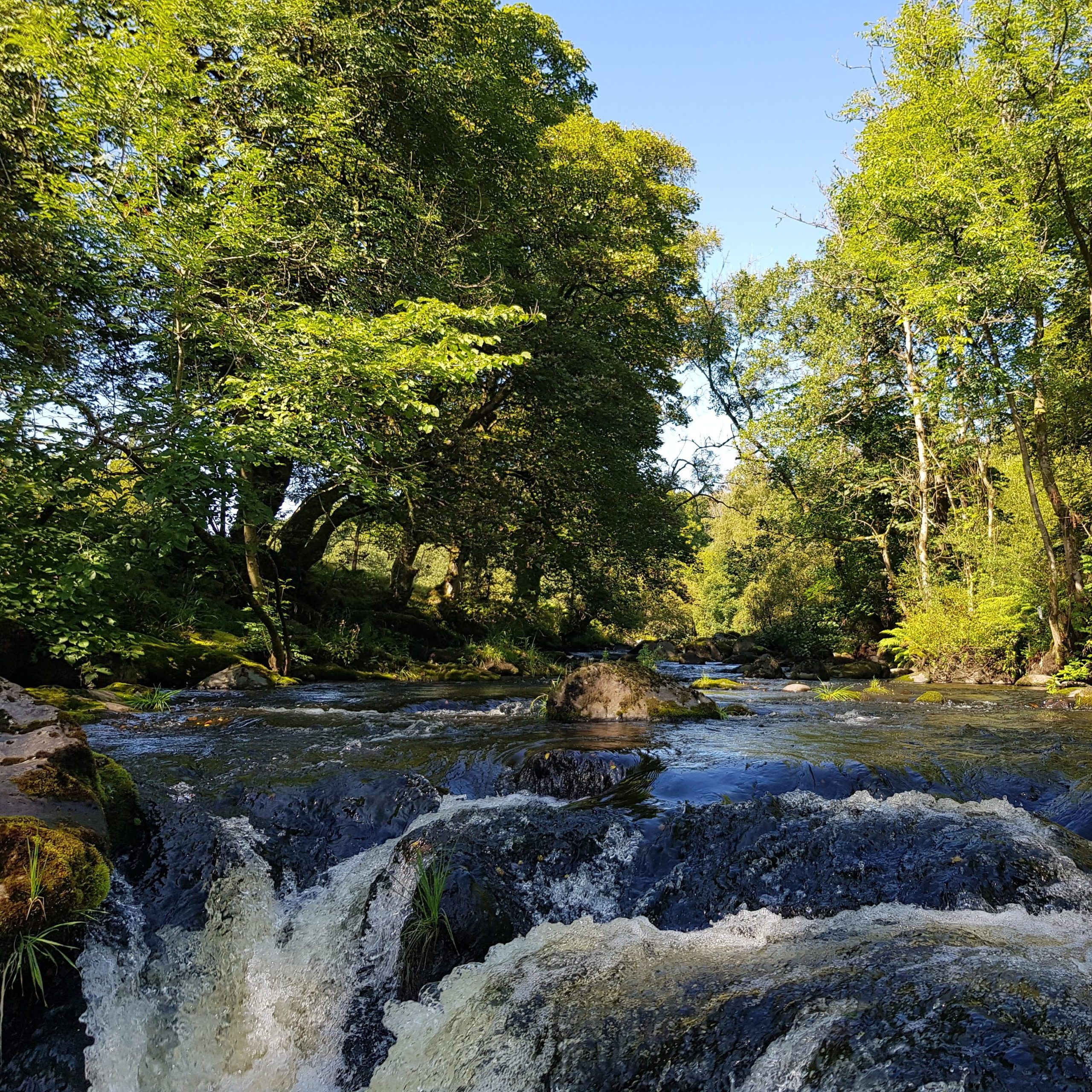
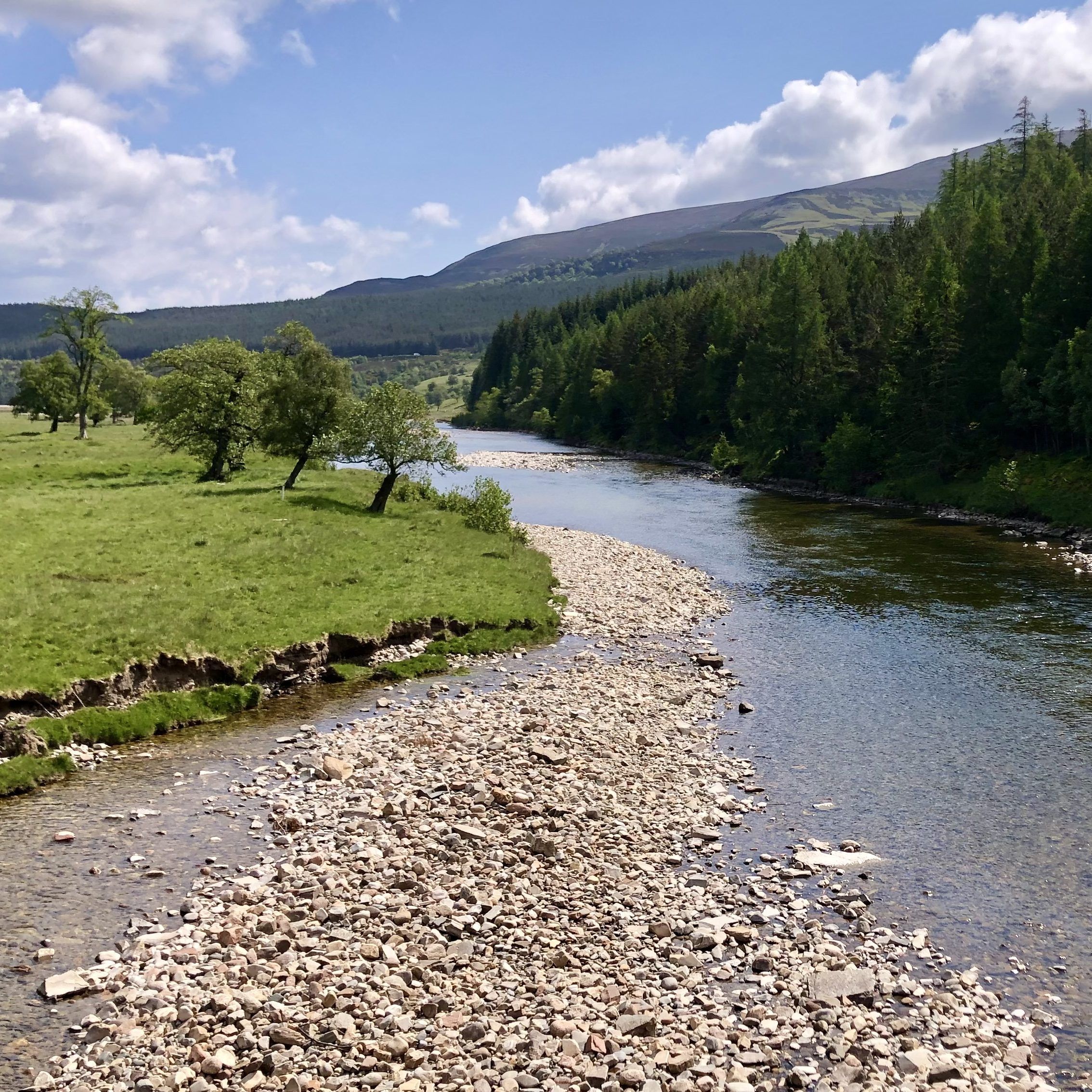
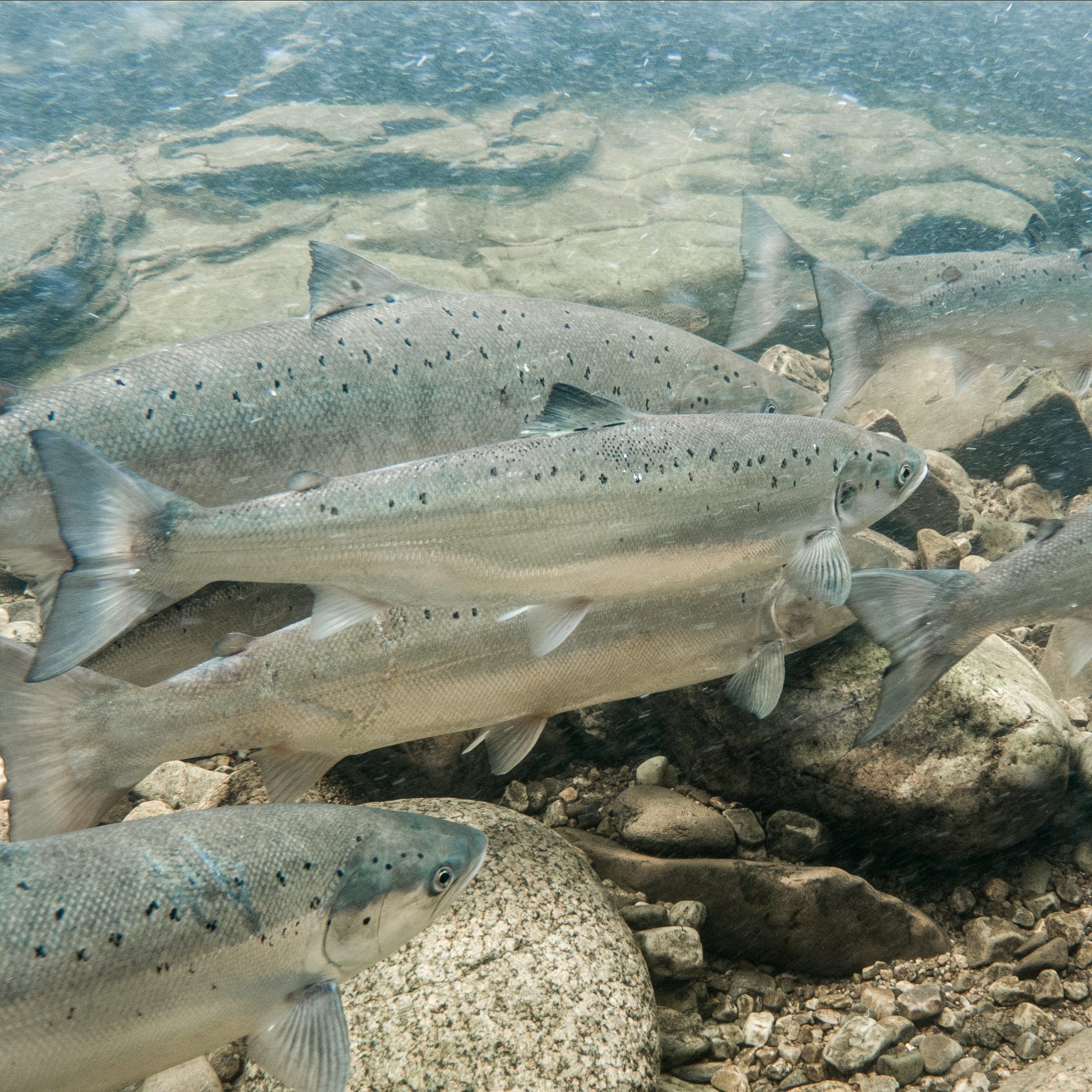
Photos: © Richard Davies / Atlantic Salmon Trust
Action Needed
Securing the future of sea trout in Scotland requires coordinated action across freshwater and marine environments.
- Raising awareness of the threats to sea trout in Scotland
- Support removal of obstacles to migration in rivers
- Progress towards Scotland’s international commitments – NASCO International goals for salmon farming:
- No increase in sea lice loads or lice-induced mortality of wild salmonids attributable to the salmon farms; and
- No escapes of farmed fish.
- Extending the Scottish Sea Lice Framework to cover sea trout.
- Ensuring cold, clean water for salmon across all rivers through:
- Delivery of The River Basin Management Plan for Scotland 2021-2027, and the development of an ambitious RBMP for 2027 onwards.
- Action to reduce water temperature and increase ecological resilience by: supporting the nationwide ‘Riverwoods’ initiative, and the tools developed through its Digital Centre of Excellence, which facilitates land-scape scale planning and collaboration for riparian restoration projects,
- Ensuring the government grant schemes, such as the Forestry Grant Schemes and Agri-Environment Climate Schemes, are sufficiently funded and designed to enable delivery of riparian woodland creation and restoration projects at pace and scale,
- Reducing grazing pressure from deer and sheep,
- Measures to increase buffer strips.
- A well-managed network of Marine Protected Areas.
Threats
Sea trout in Scotland face a range of pressures in both freshwater and marine environments:
Open pen salmon farming: sea trout are particularly vulnerable to infestation by sea lice — parasites that proliferate around open-pen salmon farms. High lice levels weaken sea trout, affect growth and migration, and can increase mortality.
Habitat barriers and freshwater degradation: Physical obstructions such as weirs, dams and poorly designed culverts can prevent sea trout from accessing key spawning and nursery habitats upstream.
Degraded river habitats: Habitat degradation from lack of riparian vegetation, pollution, sedimentation and altered flows, reduce breeding success and juvenile survival rates.
Poor water quality: Pressures from issues such as agricultural runoff, diffuse pollution and low summer flows lead to warmer, less oxygenated rivers, stressing sea trout at critical life stages.
Marine and climatic pressures: Declines in marine survival, linked to changing sea temperatures, food availability and increased predation, are a factor in lower adult returns.
Action needed
MSP Nature Champion

Jack Middleton
Member for: Aberdeen Central
Region: North East Scotland
Party: Scottish National Party