
The soprano pipistrelle is one of the most common and most widespread of all British bat species. It is very similar to the common pipistrelle but has a paler face and it echolocates at a higher frequency.
With its wings folded, the soprano pipistrelle is small enough to fit inside a matchbox
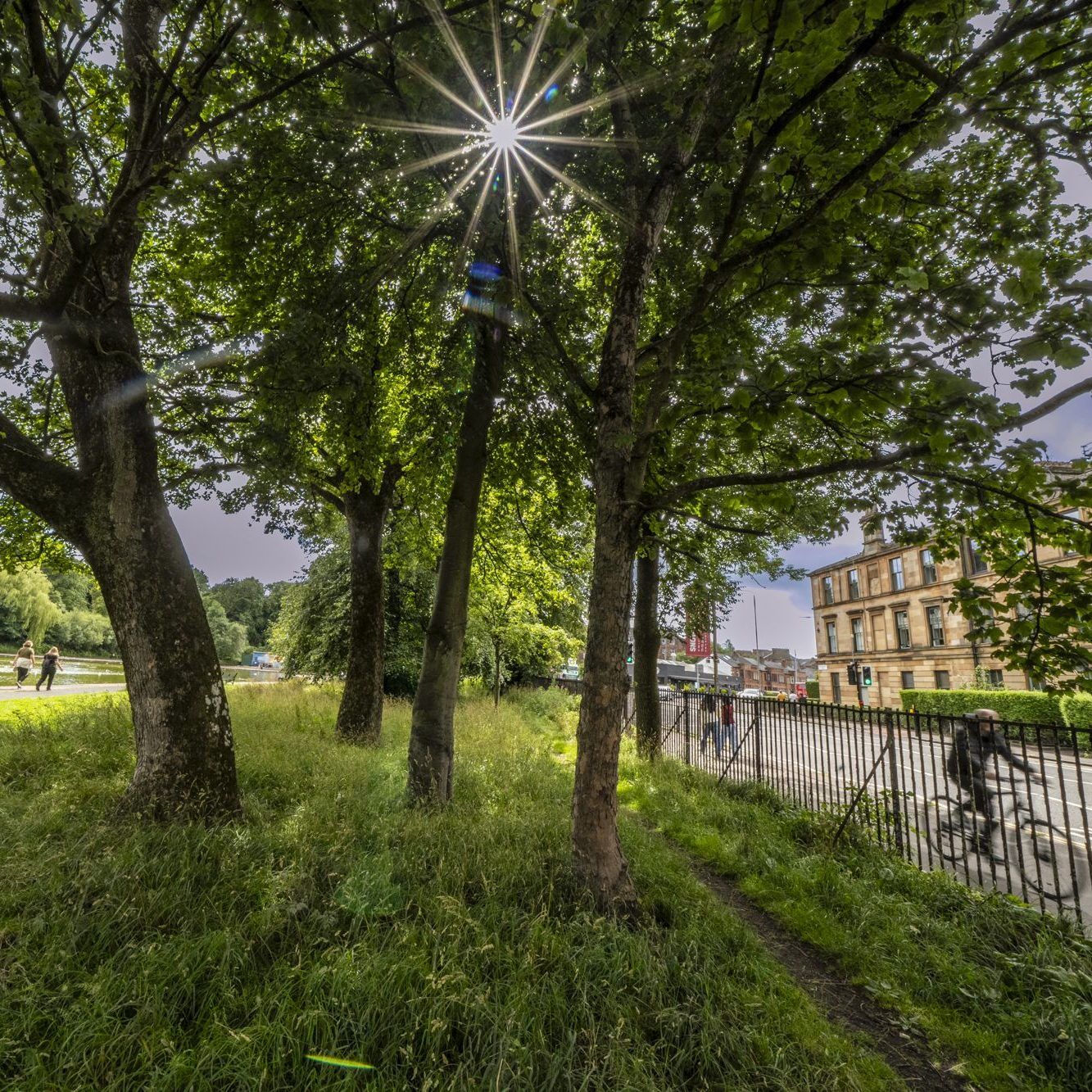
The soprano pipistrelle catches and eats flying insects on the wing.. They usually feed in wetland habitats, for example over lakes and rivers, and also around woodland edge, tree lines or hedgerows, and in suburban gardens and parks. Soprano pipistrelle feeds mainly on small flies, particularly midges and mosquitoes that are associated with water.
It often lives in houses, and emerges close to sunset, but may go unnoticed for years. Summer roosts of soprano pipistrelles are usually found in crevices around the outside of often newer buildings, such as behind hanging tiles, soffit and barge or eaves boarding, between roofing felt and roof tiles or in cavity walls. This species also roosts in tree holes and crevices, and also in bat boxes.
The scientific name of the soprano pipistrelle is Pipistrellus pygmaeus.
All bat species found in Scotland are classed as European protected species. They receive full protection under the Conservation (Natural Habitats, &c.) Regulations 1994 (as amended).
Photos: © Daniel Hargreaves | Scottish Greens/Cami Glasgow
Action Needed
- Encourage the use of bat boxes to create roost sites.
- Support creation of habitat such as woodland or water which is rich in insect life.
- Increased awareness of the value of bats.
- Promote the monitoring of bats so we can have a better knowledge and understand of their distribution, as well as their roosting and foraging habits in Scotland.
- Ensure the Scottish Biodiversity Strategy is fully implemented.
Threats
Loss of roosts due to renovation of properties without retaining access for bats; decline in insects; negative perceptions.
MSP Nature Champion

Kate Nevens
Member for: Edinburgh and Lothians East
Region: Edinburgh and Lothians East
Party: Scottish Green Party