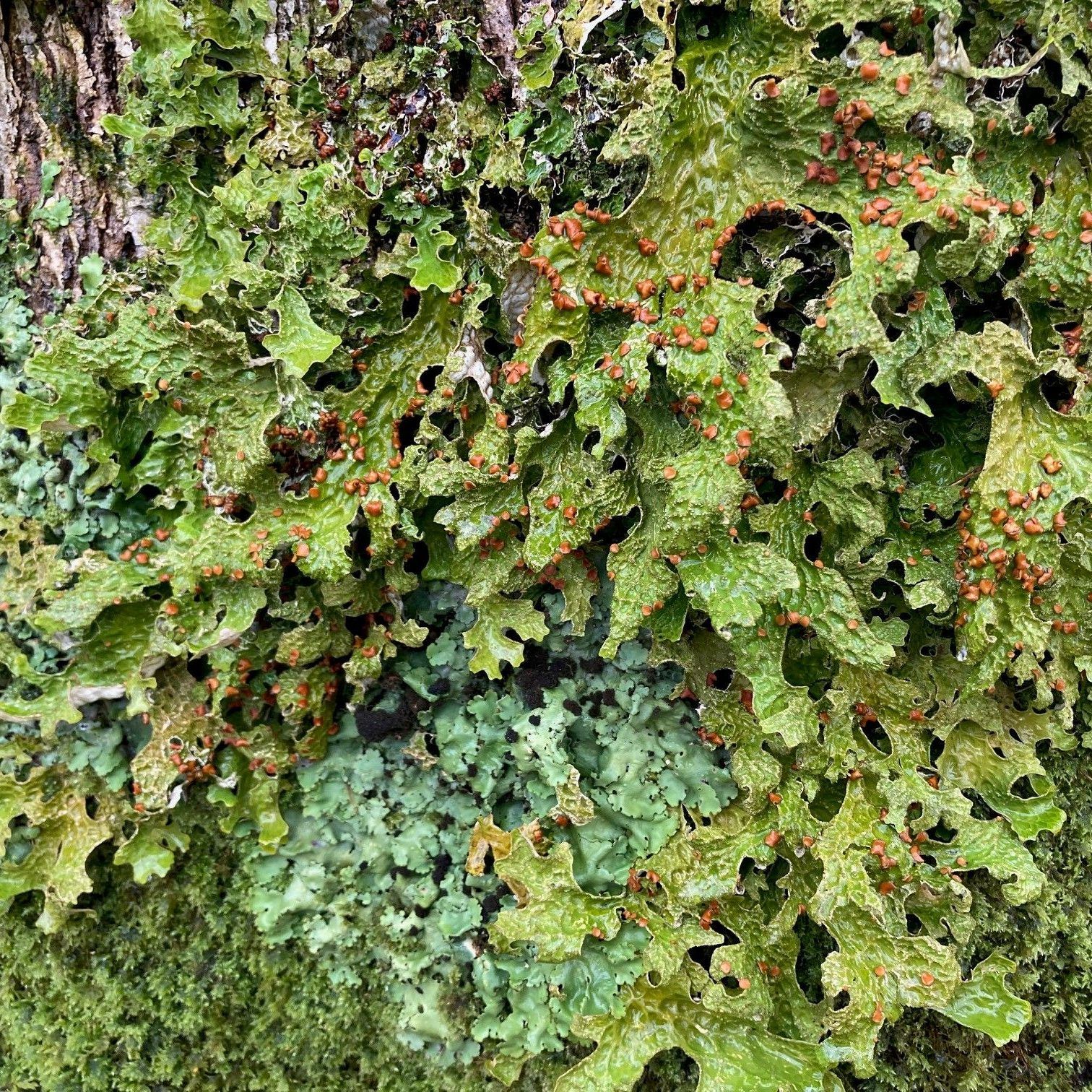

Scotland’s rainforest, is an internationally important habitat of ancient and native woodland, open glades, ravines and river gorges.
It is found on the west coast, where the combination of high rainfall and relatively mild year-round temperatures means woodlands are very humid. This allows these woodlands to provide a refuge for some of the world’s rarest bryophytes, lichens, mosses and liverworts. Some of these species are of international importance and some are found only in Scotland. The varied trees in the rainforest support this biodiversity.
The woodland types that make up the rainforest are recognised in the Biodiversity List as important habitats.
Scotland has some of the highest quality and largest remnants of rainforest in Europe. However, only 30,000 hectares remain, which represents 2% of Scotland’s woodland cover. Scotland’s rainforest is in danger of being lost forever, and we owe it to the world to protect it.
Action Needed
- Implementation of the Scottish Government’s strategic approach to restoring and expanding Scotland’s rainforest.
- A comprehensive INNS plan setting out a clear, landscape-scale framework for prevention, eradication and long-term management, using effective horizon scanning, and buy-in from landowners.
- Ban of sale of Rhododendron ponticum and its use as a rootstock, ideally in collaboration with other administrations via the British-Irish Council, but unilaterally if necessary.
- Implementation and enforcement of new deer control regulations as outlined in the Natural Environment Act.
- Piloting and expanding a national deer management plan through a funding mechanism that redirects existing subsidies to enable woodland creation.
- Meaningful, long-term, upscaled funding from government and private sources.
Threats
- Almost all of the rainforest shows little or no regeneration due to high levels of overgrazing, mainly by deer. This poses a risk to the long-term survival of the habitat because, as trees mature, they are not replaced and the age variety is almost non-existent in the rainforest.
- Increasing pressure from invasive non-native species (INNS) such as Rhododendron ponticum, which chokes up at least half of the rainforest. Rhododendron ponticum can colonise the rainforest, shading out lichens, bryophytes and other characteristic flora, and it can outcompete native trees.
- The rainforest also faces threats from diseases like ash dieback; as well as nitrogen pollution, infrastructure development and climate change.
- All of these increase the rate of habitat fragmentation, creating a major barrier to long-term rainforest restoration.
MSP Nature Champion

Jenni Minto
Member for: Argyll and Bute
Region: Highlands and Islands
Party: Scottish National Party