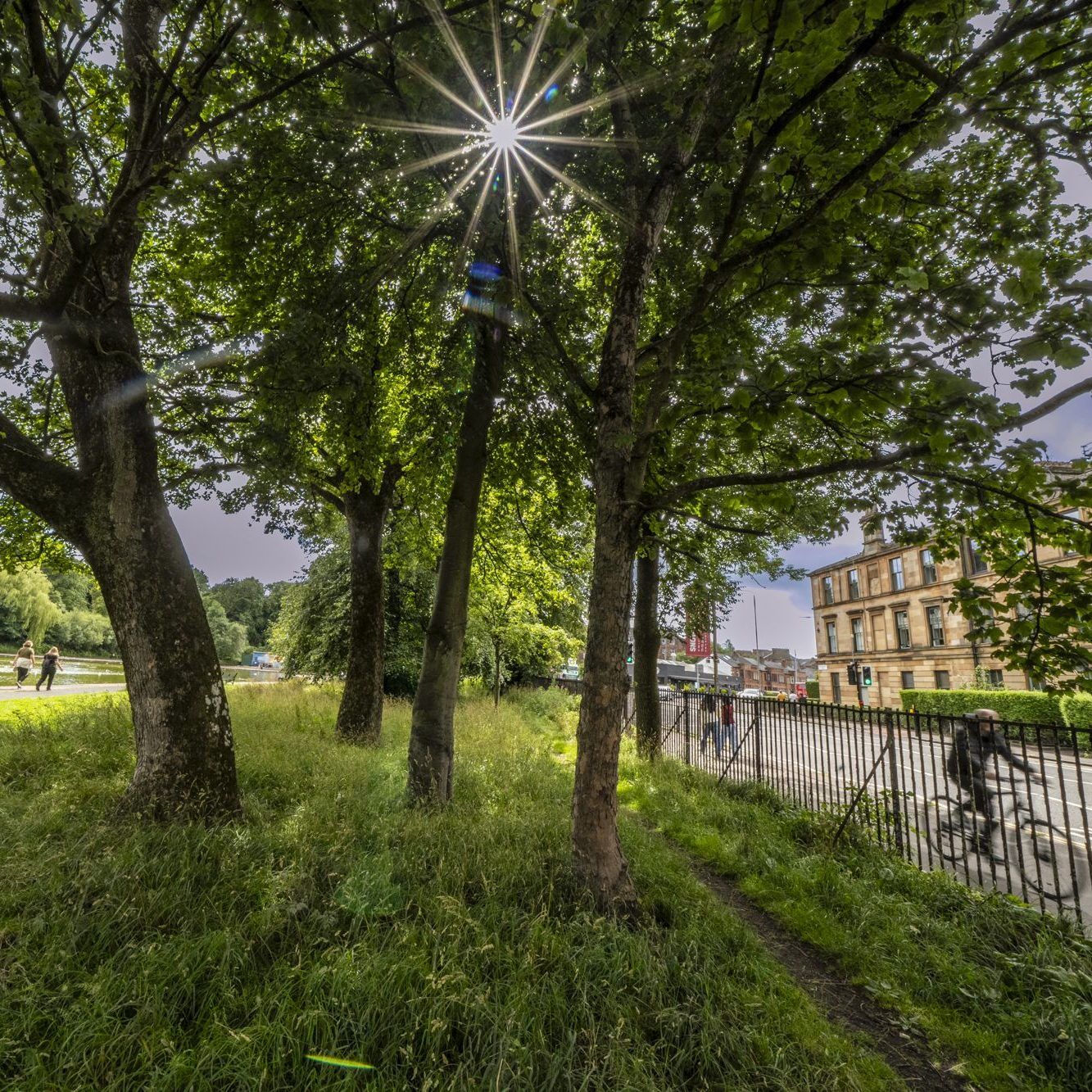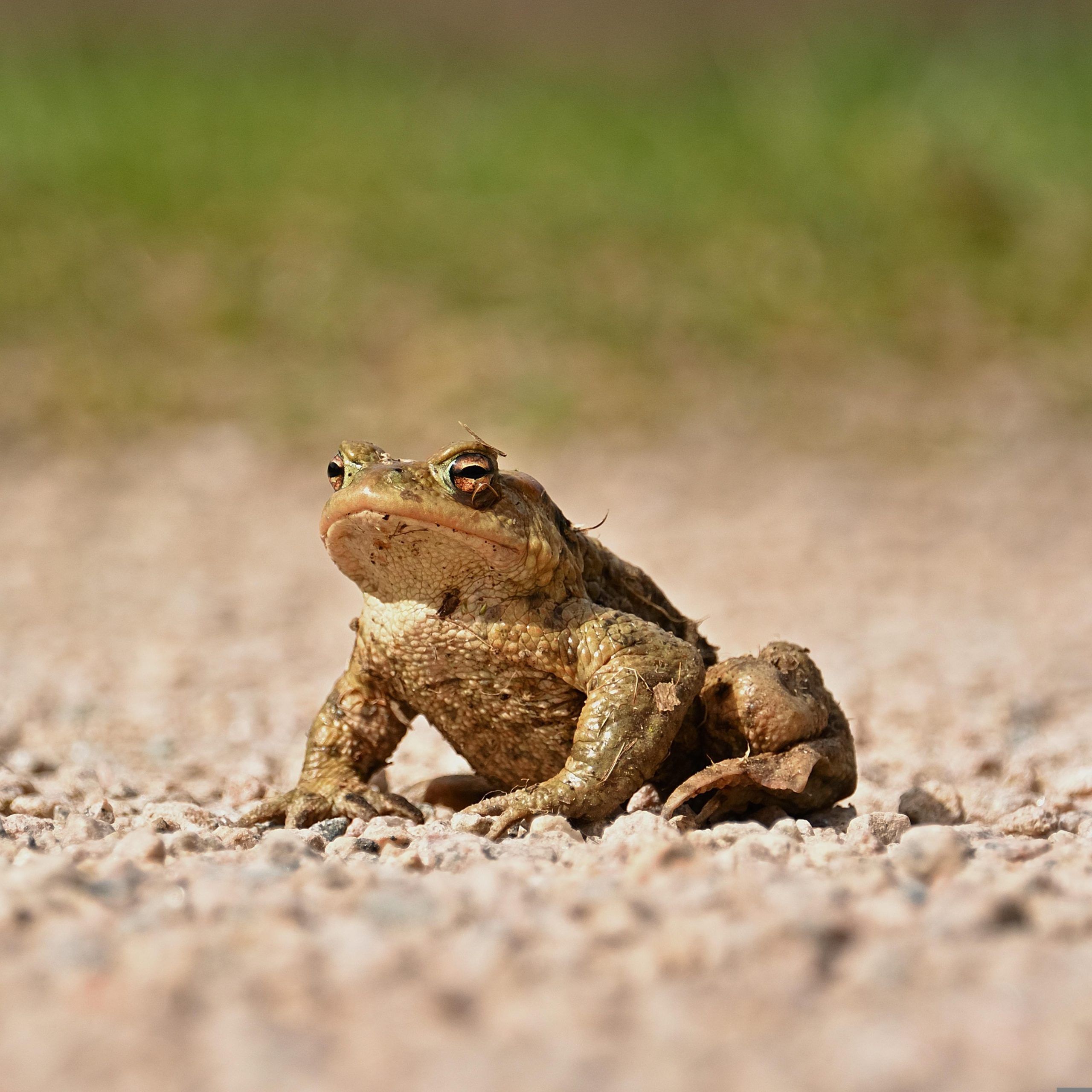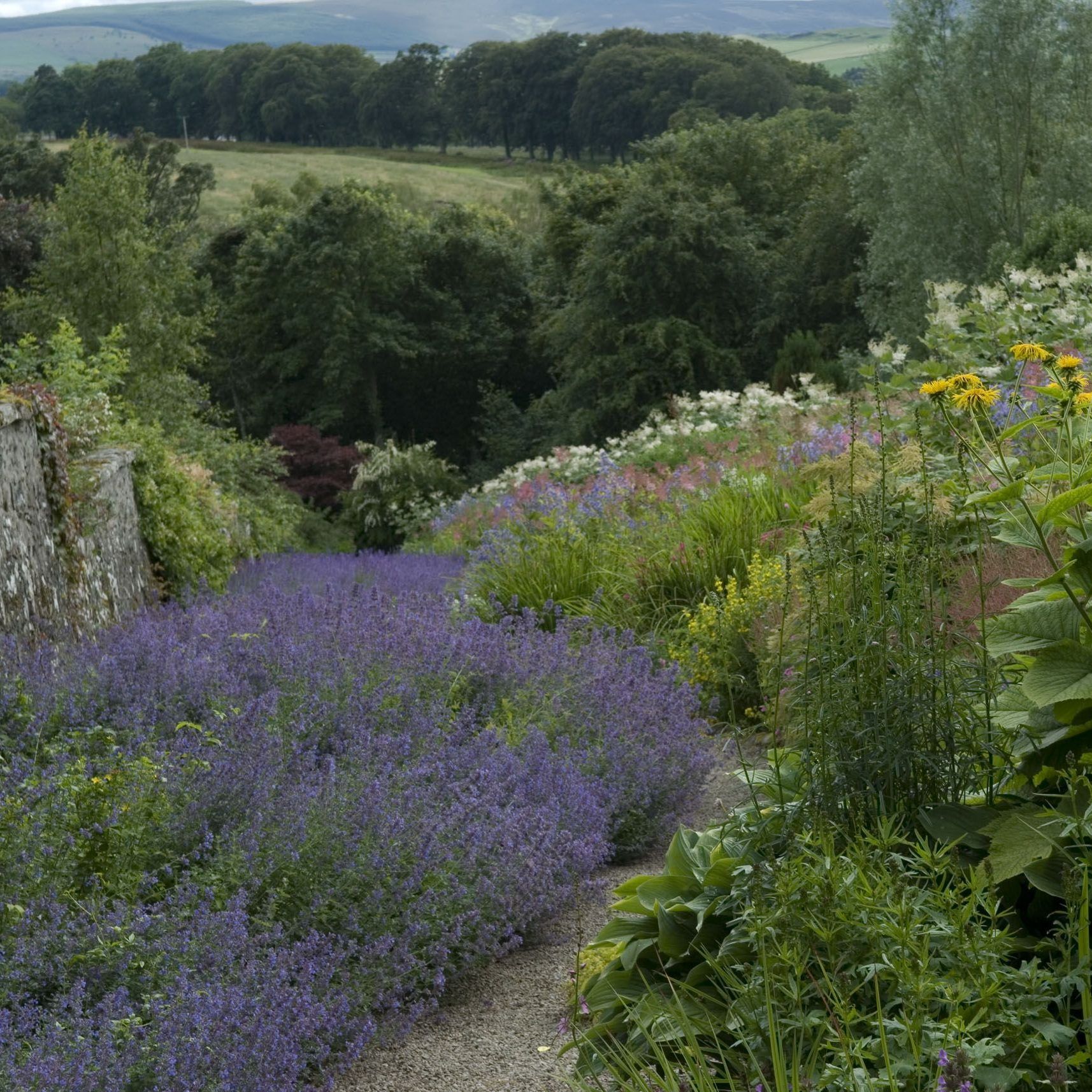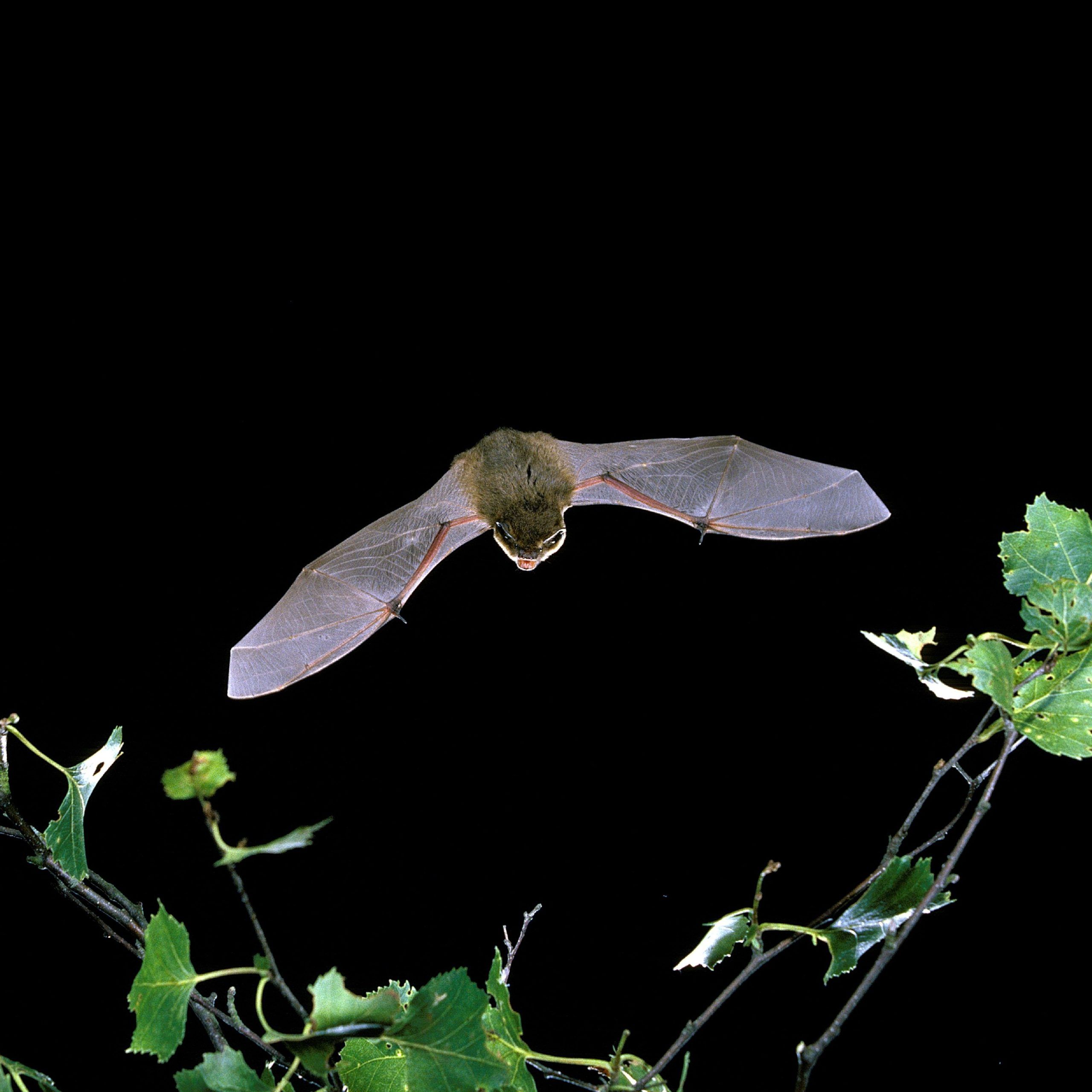


Green spaces across Scotland play an important role in building inclusive communities by bringing people together to enjoy nature on their doorsteps. Communities utilise green spaces for a variety of purposes such as active travel, recreation, food production and biodiversity. Evidence shows that health and wellbeing improves with access to green space, by enabling connection to nature and creating opportunities for social integration. Scotland’s Green Health Framework emphasises the importance of green space access for treatment and recovery.
However, access to good quality green space is tied to social inequalities. Communities living in Scotland’s disadvantaged neighbourhoods and inner-city areas are least likely to have green (and blue) space within a 5-minute walk. Championing these spaces involves recognising these inequalities and acting to reduce them.
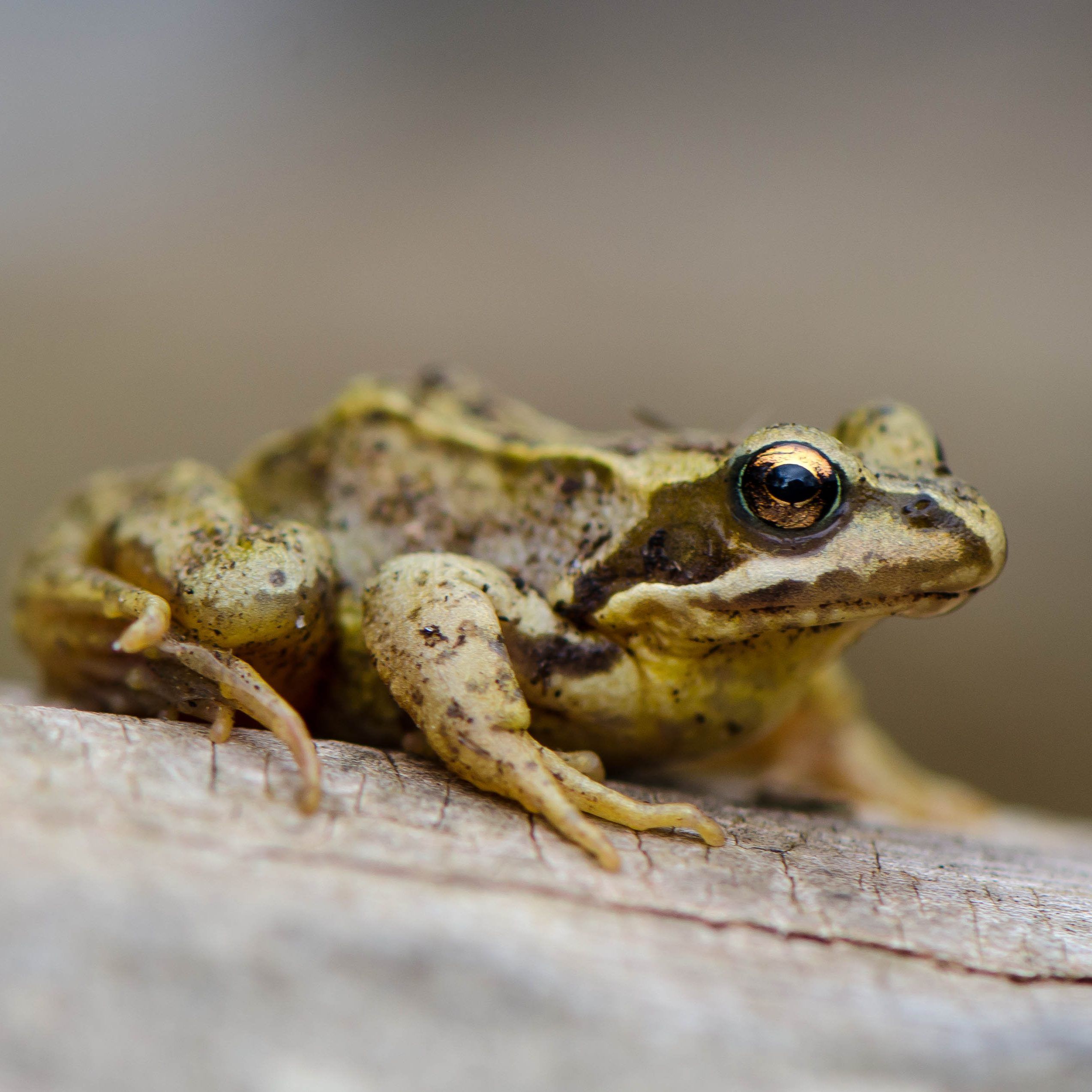
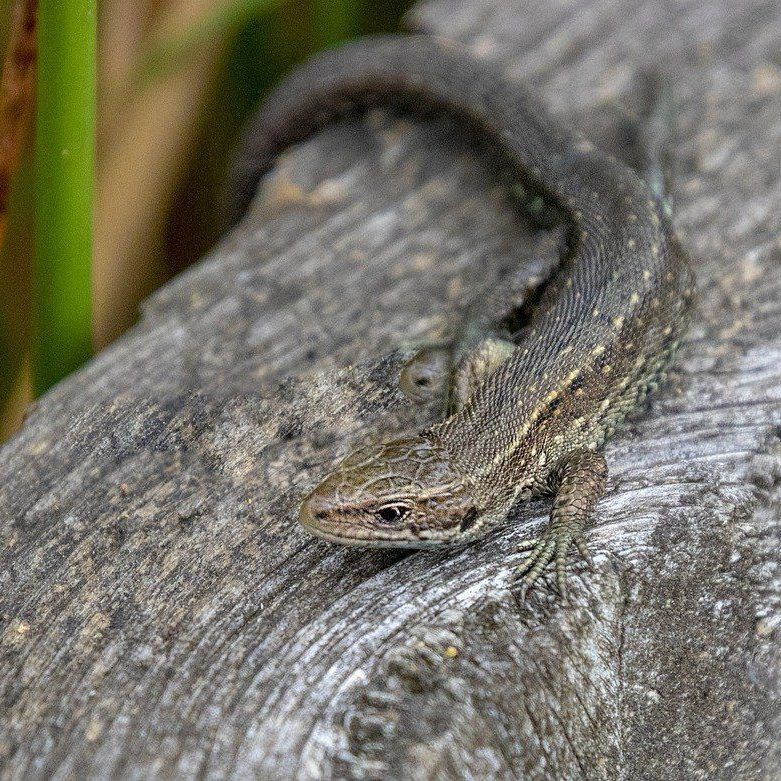
Public green spaces come in a variety of forms, from active travel routes to parks, community gardens and allotments. They cover a range of ecosystem and habitat types, both natural and cultivated, and are found across both urban and rural locations. These habitats are essential to combatting the climate and nature emergencies, providing opportunities to increase biodiversity, offset greenhouse gas emissions, and engage and empower community members.
Community green spaces support green skills development and community-led action, both key pathways in Scotland’s Environmental Strategy. Championing these spaces progresses Scotland’s commitment to UN Sustainable Development Goals 10 (Reduced Inequalities), 11 (Sustainable Cities and Communities) and 15 (Life on Land). Community green spaces can also support Scotland’s Landscape Charter at local level, through positive management of landscapes to protect and enhance biodiversity whilst positively influencing our health, wellbeing and livelihoods.
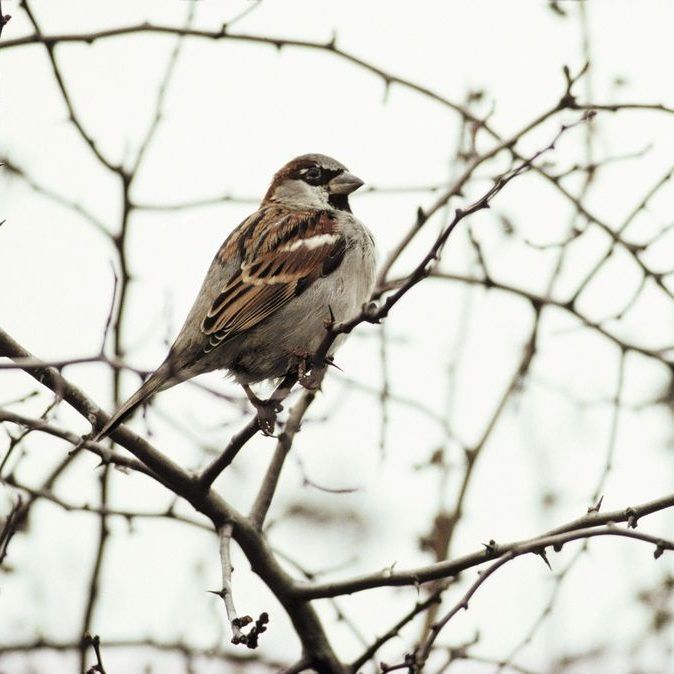
Photos: Dundee City Council, with Bonnie Dundee photographer | Rachel Smith Mounthooly Food Forest
Action Needed
- Support communities actively engaged in improving their local environment for people, climate and nature, including community gardening groups engaged with Keep Scotland Beautiful’s Climate and Nature Friendly Communities Network.
- Promote and support work to enhance and maintain Scotland’s open parks and green spaces such as Keep Scotland Beautiful Green Flag Award for excellent management and environmental standards.
- Advocate for improved local environmental quality and tackling Scotland’s litter problem, linking to Scotland’s National Litter and Flytipping Strategy and Action Plan, and the Marine Litter Strategy.
- Increase public awareness of the importance of nature, biodiversity, and green spaces to support Scotland’s Environment Strategy, inspire behaviour change and encourage responsible use of green spaces. Encourage communities to engage with place and take positive action for the heritage and natural environment.
- Increase awareness of the benefits of being outside in nature for physical and mental wellbeing, per the Scottish Green Health Framework. Promote social prescribing and collaboration between health bodies and community gardening groups to support reduced strain on the NHS.
- Advocate for improved access to green spaces in areas of high social deprivation, urban environments, schools, and new housing and infrastructure developments.
Threats
- Increasing urbanisation putting pressure on Scotland’s biodiversity and green spaces for housing and infrastructure development.
- Inequalities in green space access contributing to social isolation, anti-social behaviour, and declining mental and physical health in communities.
- Cleanliness issues such as litter, dog fouling, flytipping, flyposting and graffiti.
- Impact of the climate and nature emergencies on Scotland’s heritage and landscapes, and the social and land-use changes required for adaptation and mitigation.
- Society’s increasing disconnect from nature. There is a need to support engagement and access to urban green and blue spaces to foster connection to and appreciation of the land that supports all life on earth.
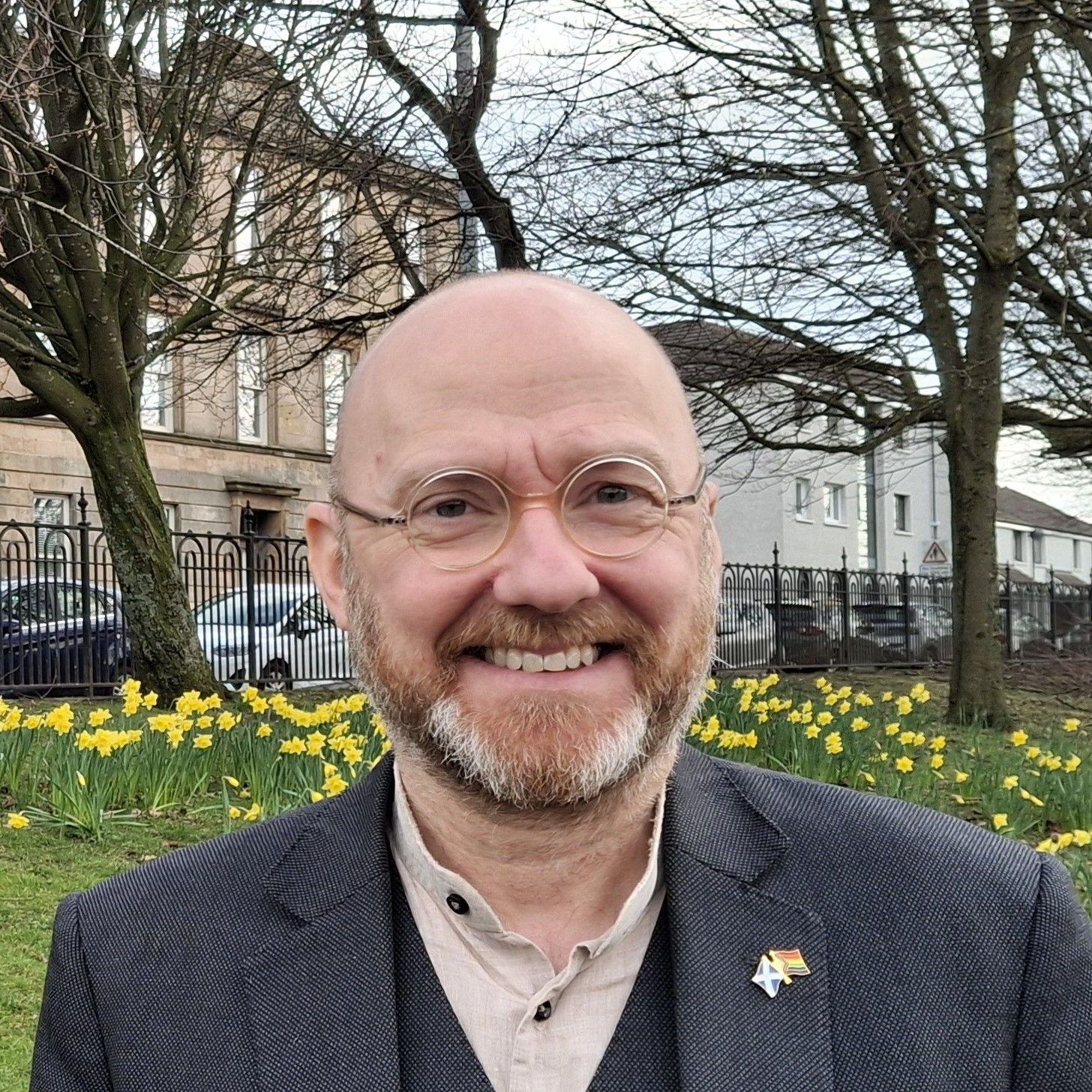
MSP Nature Champion
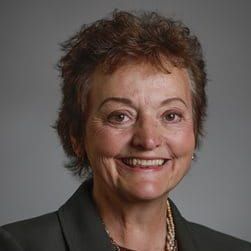
Heather Anderson
Member for: Dundee City West
Region: North East Scotland
Party: Scottish National Party