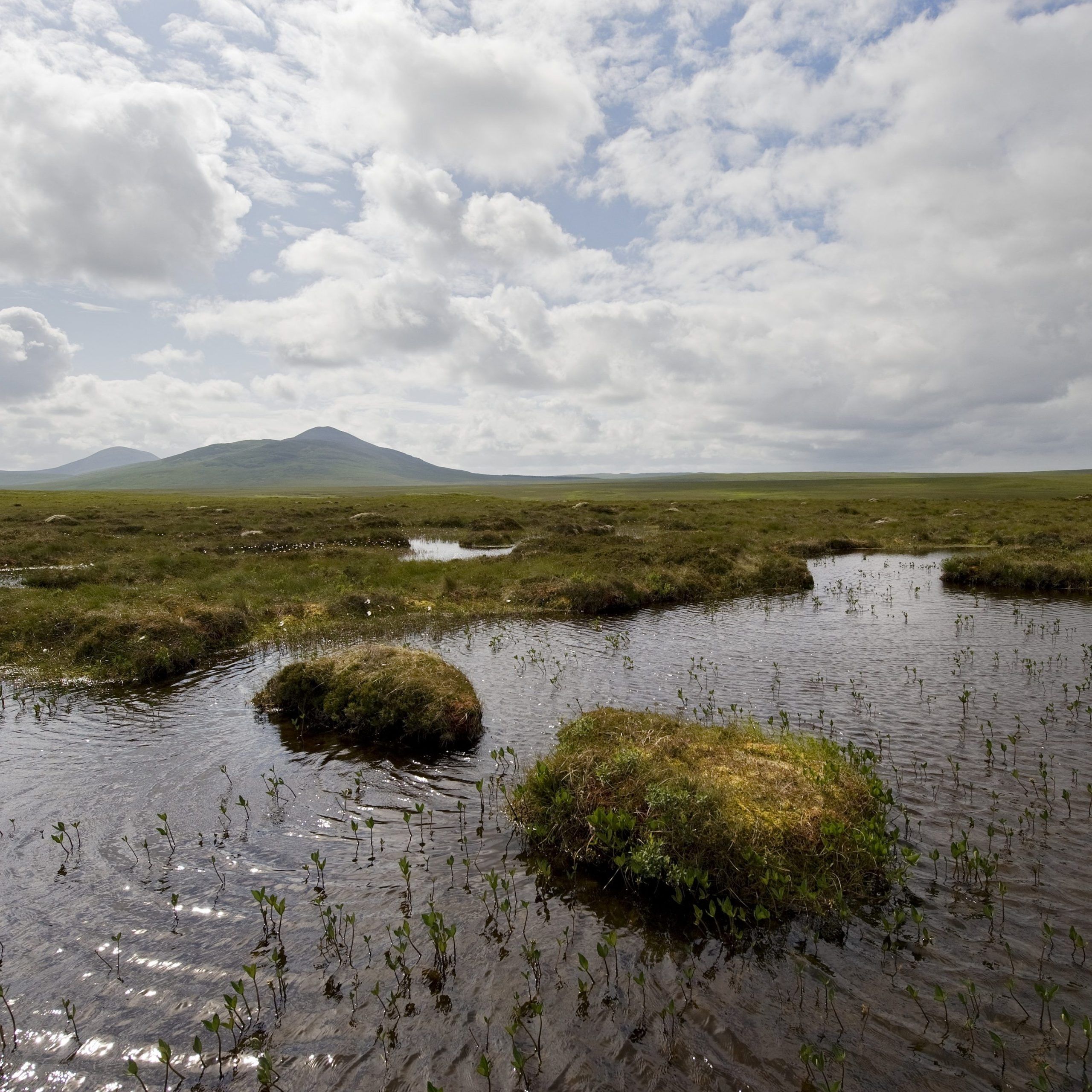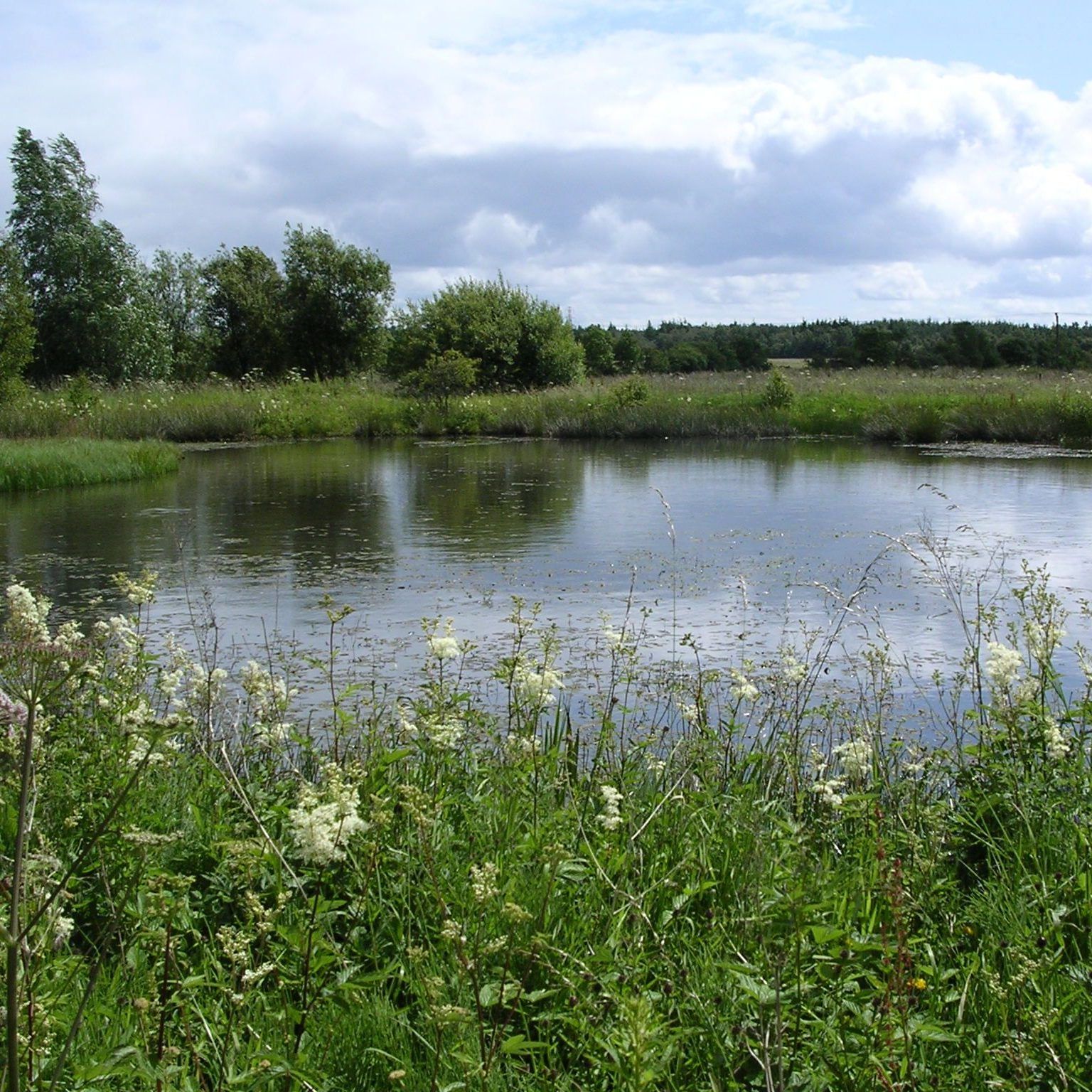


Lowland raised bogs are rare, waterlogged peatland ecosystems formed by Sphagnum moss, where accumulating peat gradually lifts the bog surface creating a distinctive raised dome, giving the habitat its “raised” name. Over the past 200 years, over 90% of lowland raised bog has been lost in Scotland, from 28,000ha to just 2,500ha, with the few remaining areas often degraded. These bogs take thousands of years to form, with some of Scotland’s deepest bogs accumulating peat for over 8,000 years, meaning they are effectively irreplaceable once lost.
Raised bogs provide a wide range of ecosystem services. They store large amounts of carbon, and act as natural sponges regulating water flow, filtering rainwater, and ultimately helping to reduce local flooding. However, when degraded, they can become significant carbon sources.
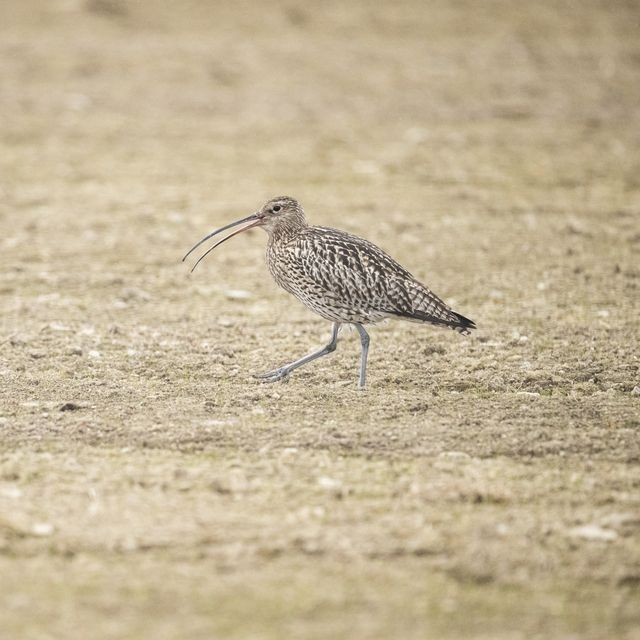
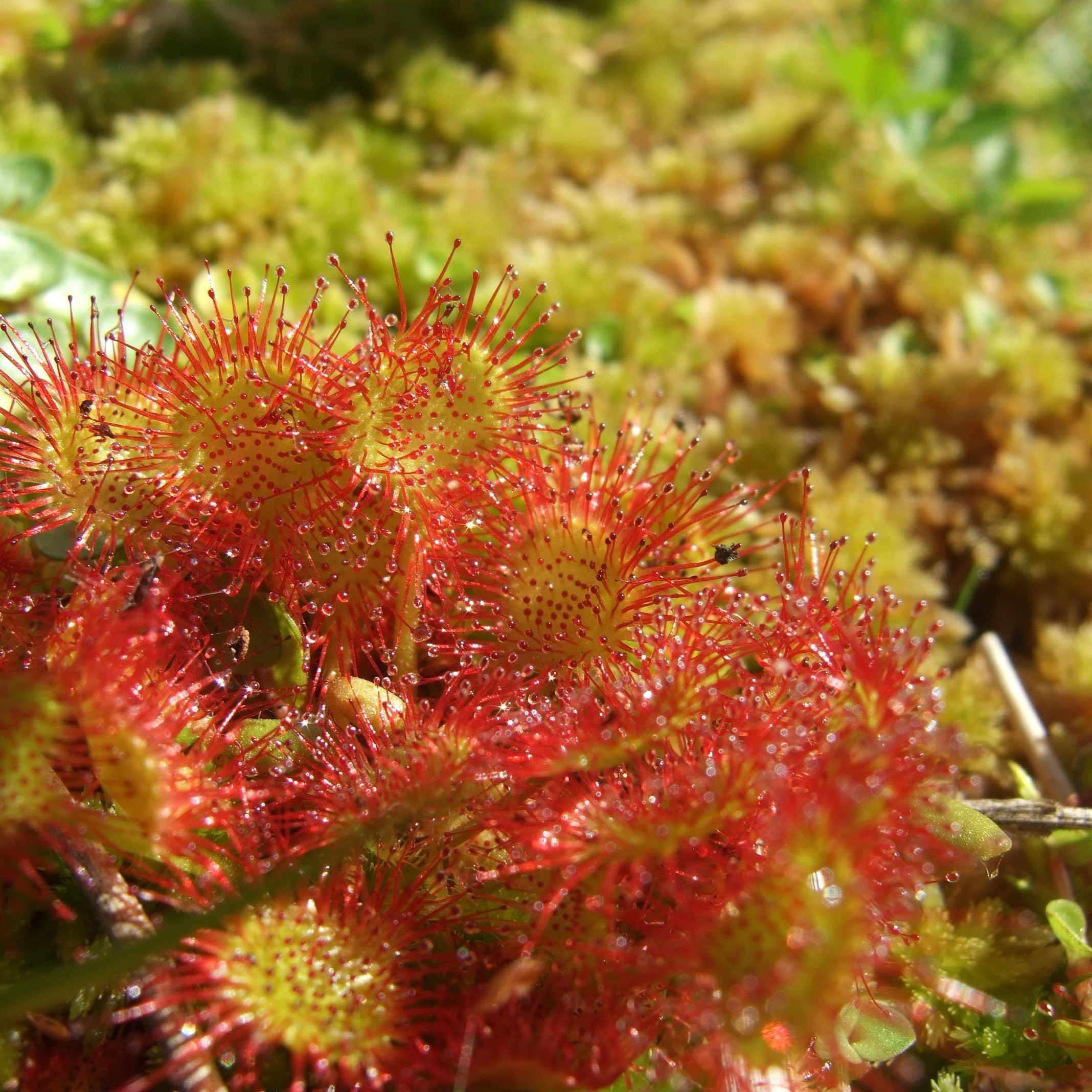
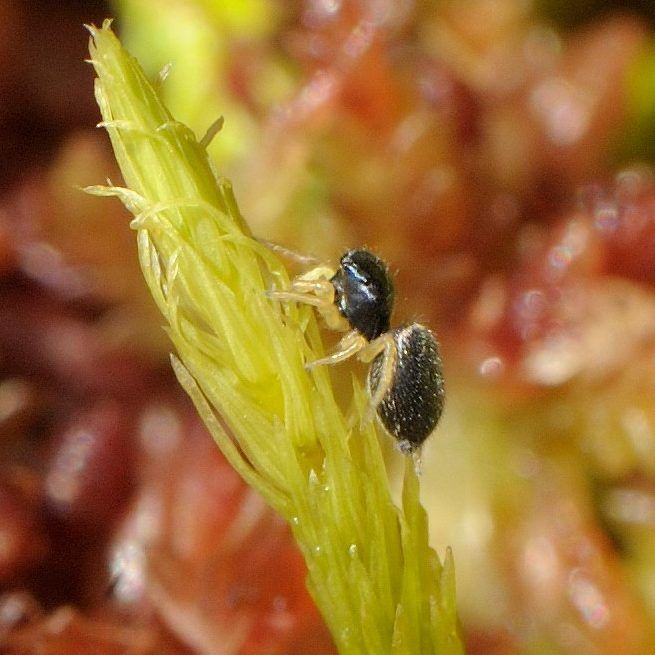
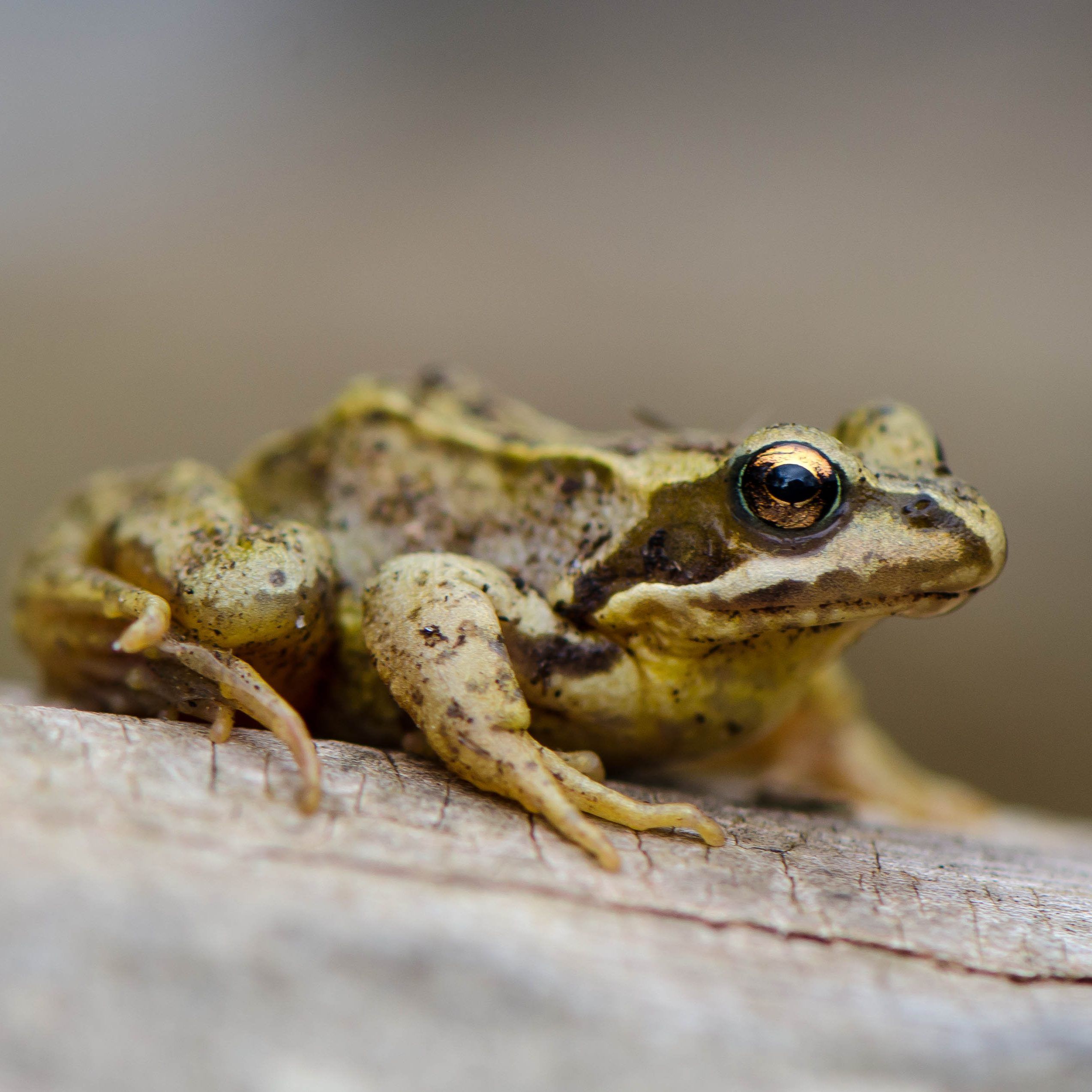
Lowland raised bogs are an ecologically unique habitat, supporting numerous specialist species that have adapted to the acidic, low nutrient conditions. They host carpets of colourful, rare mosses such as Baltic bog-moss and Skye bog-moss, as well as scarce lowland plants like bog rosemary, sundews, and cranberry. The moss layer retains water, creating a mosaic of wet microhabitats that support abundant invertebrates (such as the large heath butterfly and bog bush-cricket), breeding frogs, and palmate newts. The high invertebrate abundance provides essential food for breeding waders and wildfowl, including snipe, curlew, and lapwing.
In Scotland, lowland raised bogs occur mainly in cool, humid lowlands such as the Borders and Lothians, though they are found throughout the country.
Action Needed
- Protect remaining bogs from degradation – The cheapest solution is to protect existing intact bogs from further anthropogenic damage. Relevant authorities should ensure remaining bogs are safeguarded.
- Ban commercial peat extraction and sales – End all commercial peat extraction for horticulture and prohibit the sale of peat-based products.
- Prevent forestry impacts on deep peat – Prevent the planting or replanting of forestry on deep peat soils.
- Control invasive conifers at landscape scale – Coordinate large-scale, long-term control of invasive conifers to prevent their spread and protect remaining bogs.
- Restore degraded bogs – Prioritise rapid restoration of degraded bogs to halt further loss through the raising and stabilisation of ground water levels to encourage the recolonisation of Sphagnum.
Threats
- Agriculture – Drainage of surrounding land lowers water tables, causing bog drying and allowing scrub and tree encroachment. Run-off from fertilisers and pesticides damages bog ecology and alters nutrient-poor conditions required by specialist species. Livestock trampling can compact peat, damage vegetation, and disturb microhabitats.
- Peat Extraction – Removal of peat for horticulture directly destroys habitat.
- Afforestation – Encroachment by trees, particularly invasive conifers, dries out areas of the bog and changes hydrology.
- Game Management – Burning damages Sphagnum, adds nutrients to the bog, and creates a hard crust that causes water to run off rather than soak in.
- Climate Change – Changes in precipitation and temperature can affect Sphagnum growth and bog hydrology, reducing peat formation and biodiversity.
MSP Nature Champion

Willie Rennie
Member for: Fife North East
Region: Mid Scotland and Fife
Party: Scottish Liberal Democrats