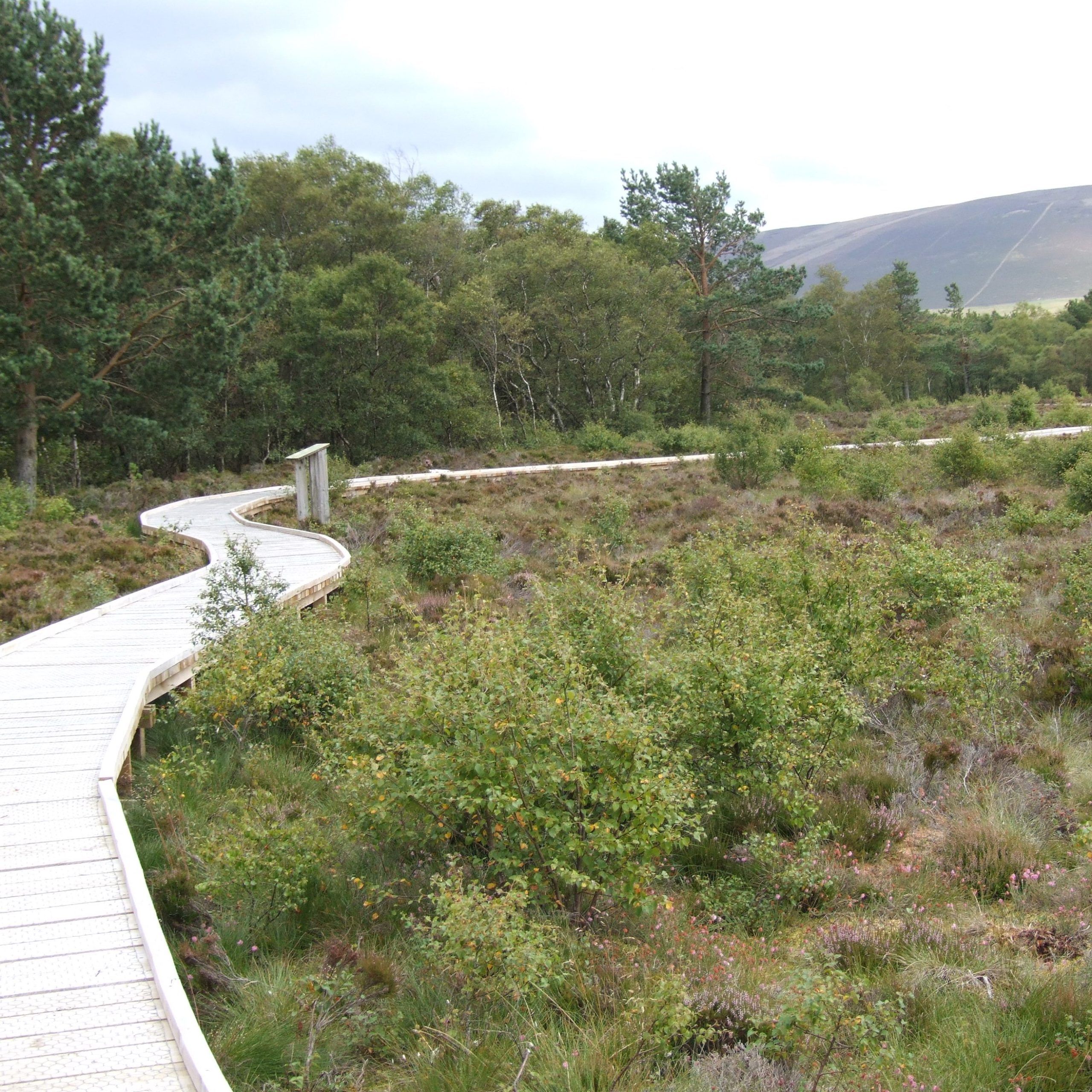


Blanket bogs are very rare habitats, with the UK and Ireland holding over 20% of the global area, most of which is in the north and west of mainland Scotland and the Western and Northern Isles, as it is found in places with cool, wet and, usually, oceanic climates.
Blanket bogs consist predominantly of water, much of which is held in the underlying peat layer, with a myriad of Sphagnum moss hummocks and hollows interspersed across the surface. The intermingling of vegetation and pool systems gives the appearance of ‘patterned ground’ when viewed from the air. Due to the wet, cool, oxygen-poor conditions, bog plants break down incredibly slowly to form a layer of peat (a particular form of high-carbon-content soil) which is typically 40 cm to 3 m deep in the UK, but can be more than 8 m deep. The peat develops a ‘blanket’ over large expanses of gently undulating ground which distinguishes it from other types of bog.
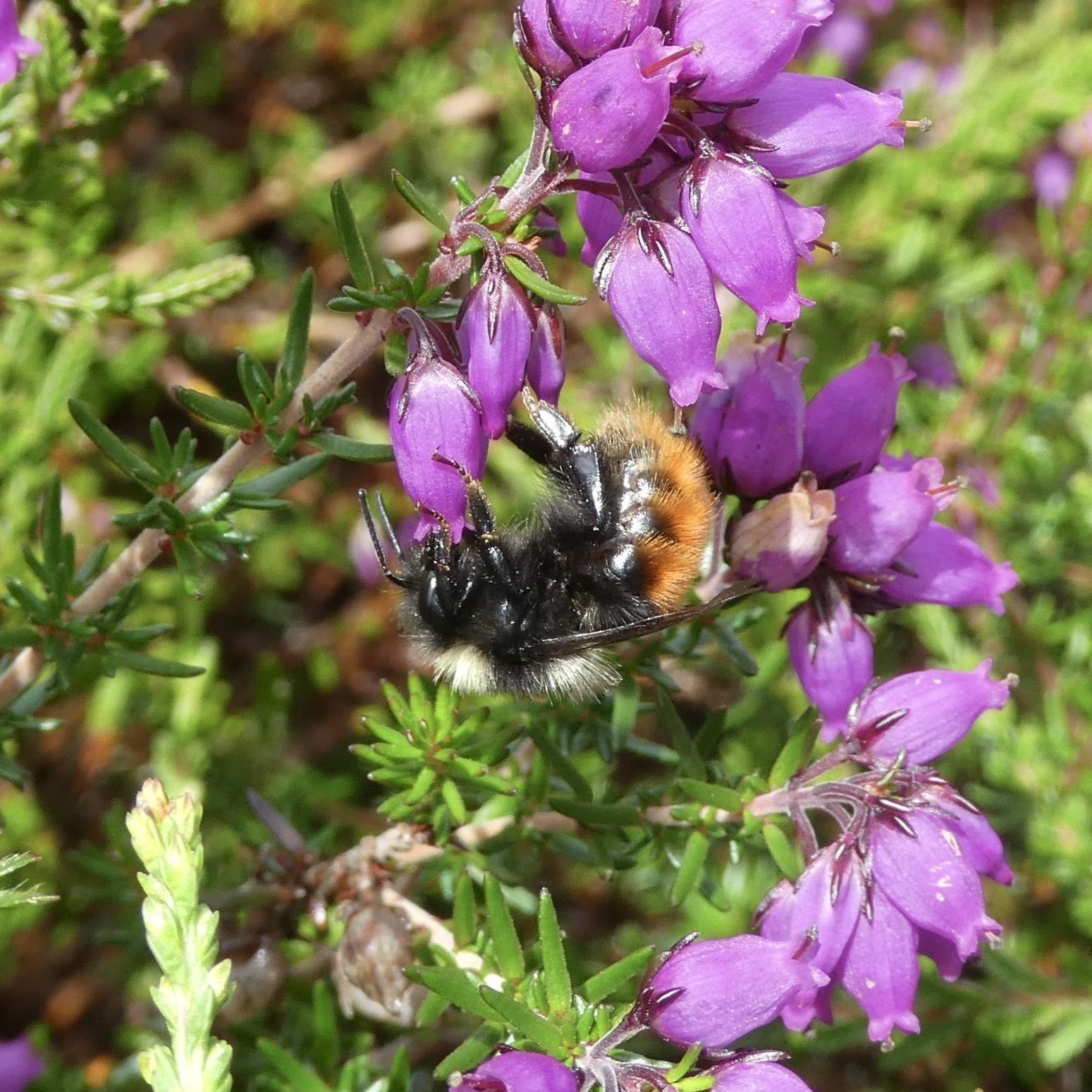
As blanket bogs are rare and unusual habitats, they are so important for biodiversity. Accordingly, they are listed on Annex 1 of Scotland’s Biodiversity List, and as a Priority Habitat under the UK Biodiversity Action Plan. Species supported include:
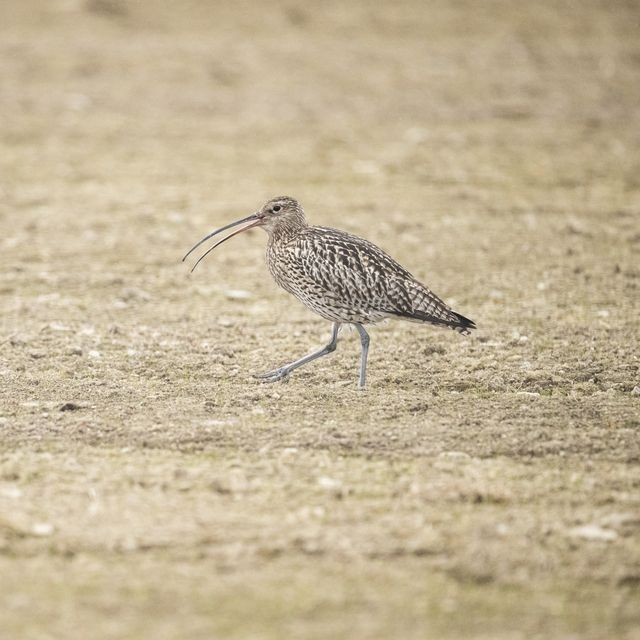
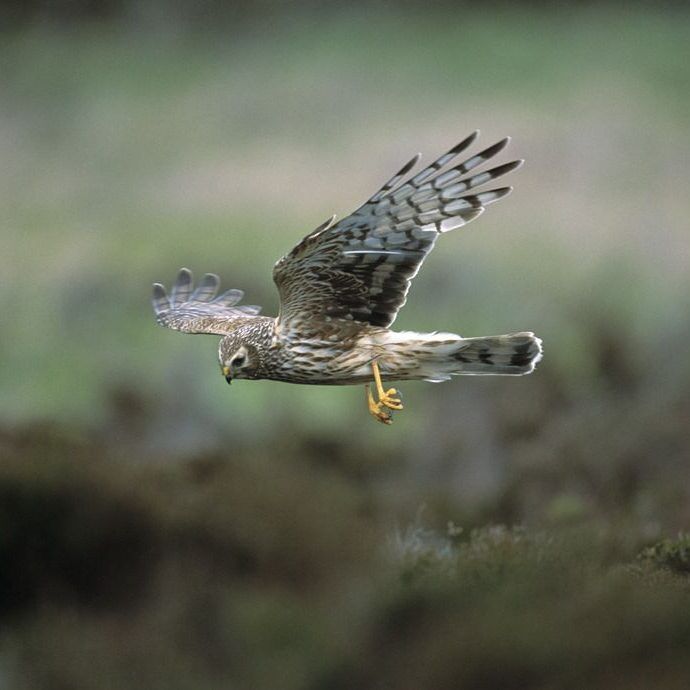
- Upland breeding birds e.g. Golden Plover, Greenshank, Dunlin, Widgeon, and, in lochans, Red-throated Divers
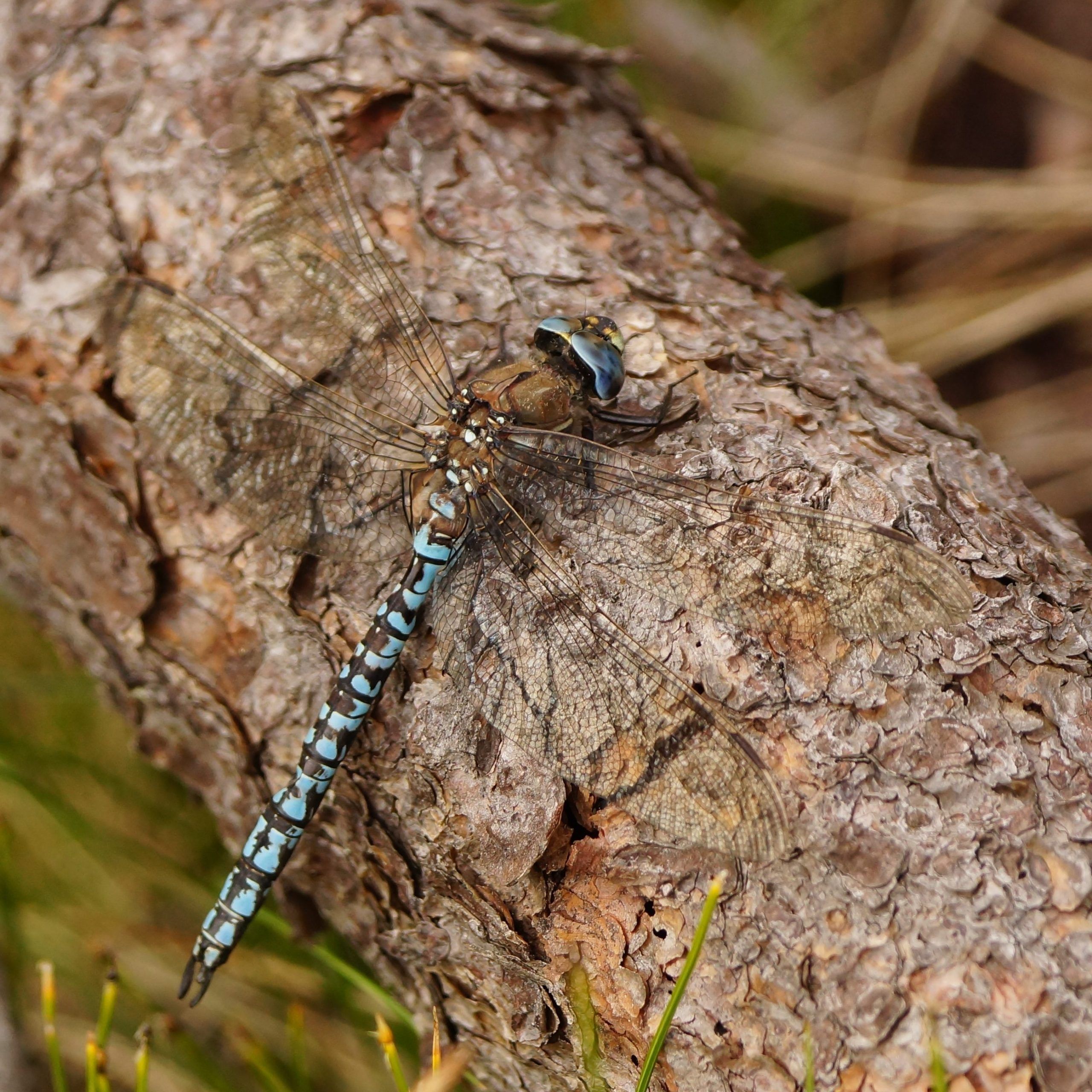
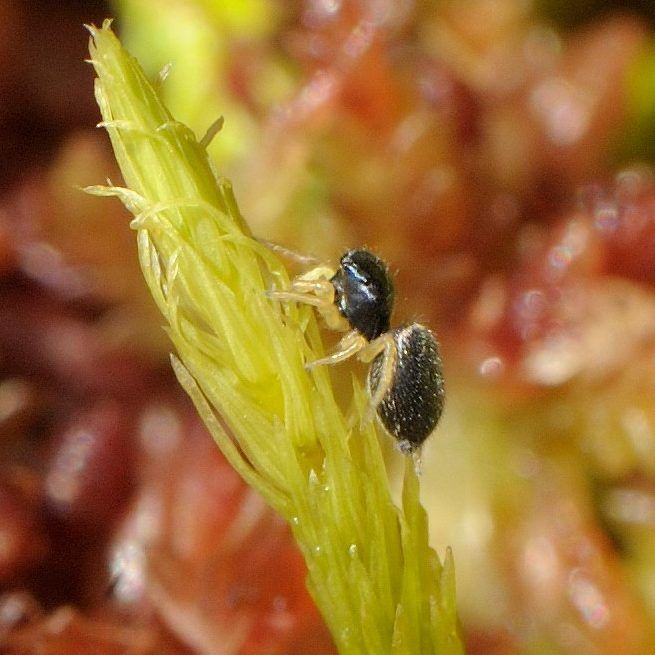
- Invertebrates e.g. dragonflies, including the Black Darter, Four Spotted Chaser, Common Hawker and Azure Hawker (found only in the Scottish Highlands in the UK).
- Plants e.g. many mosses, lichens and specialists such as Sundews and Butterworts which are carnivorous plants adapted to catch and digest small invertebrates.
Blanket bogs are also important in flood management as intact peatlands and blanket bogs (i.e. those that haven’t been cut for peat, drained, or forested) store vast amounts of water and help reduce flood risks downstream.
Blanket bogs cover around 1.8 million hectares, equating to 23% of Scotland’s land area. Over 1.6 billion tonnes of carbon are stored in Scottish peatlands – that is a third of the carbon held in the Amazon rainforest which is 250 times larger in area! However, many are in a poor condition due to human interventions and so are less effective in storing carbon.
When they are degraded (i.e. not functioning as they should due to having been altered in some way), peatlands act as a source of greenhouse gases, and have reduced biodiversity and capacity to improve water quality. Converting one hectare of drained blanket bog back to intact blanket bog can result in absorption of around five tonnes of carbon dioxide equivalents per year, so restoring peatlands is a priority for climate change.
Photos: © Iain Brownlie Roy / John Muir Trust
Action Needed
- Ensuring that the ecosystem function, particularly the delicate natural water based system, is not compromised by inappropriately planned activities such as tree planting, wind farms and other developments.
- Continuing and expanding the Peatland Action programme and other funding initiatives for large-scale restoration works.
- Halting the extraction of peat for compost for both the retail and the commercial horticulture sector.
- Highlighting and raising the profile of blanket bogs and their importance for carbon sequestration, biodiversity conservation and traditional grazing and domestic peat cutting. Also showcasing the restoration projects in progress and supporting co-ordinated action at a regional and national scale.
Threats
Only around 20% of UK peatlands are in a natural, or semi-natural, state meaning 80% have been altered by damage or drainage. Some of the leading causes are:
- Historic drainage for agriculture leading to desiccation and adverse changes in peat-forming vegetation.
- Tree planting on blanket bogs and other peatlands, particularly on shallow peat soils.
- Self-seeding of non-native conifers onto blanket bogs affecting the hydrology, biodiversity and carbon storage.
- Inappropriate burning that does not follow the Muirburn Code leading to loss of Sphagnum and subsequent peat desiccation, shrinkage and erosion.
- Impacts of onshore wind farms and other associated energy developments on blanket bog.
- Extraction of peat for composts.
- Climate change – impacts of changes in rainfall and temperature as a consequence of climate change are complex, and it is recognised that increasing resilience through the restoration of degraded bog is a priority.
MSP Nature Champion

David Green
Member for: Caithness, Sutherland and Ross
Region: Highlands and Islands
Party: Scottish Liberal Democrats